

A living room can possess all the right furniture, impeccable lighting, and carefully chosen accessories, yet still lack that indefinable quality that transforms a space from merely functional to genuinely captivating. The missing element often lies beneath our feet: flooring that lacks character, texture, or visual interest. This overlooked foundation has the power to elevate an entire room, creating depth, warmth, and personality that radiates upwards through every other design choice.
The importance of flooring in the living room
Flooring occupies the largest single surface area in any living room, making it a dominant visual element that influences the entire atmosphere. This foundational layer sets the tone for everything above it, from furniture selection to wall colours and decorative accents.
Creating visual anchoring
The floor provides essential visual weight that grounds a room’s design scheme. Without adequate attention to this surface, furniture appears to float awkwardly, lacking connection to the space itself. A well-considered floor creates cohesion, drawing disparate elements together into a harmonious whole.
Impact on perceived space
Floor choices dramatically affect how spacious or intimate a living room feels. The following factors contribute to spatial perception:
- Material reflectivity influences light distribution throughout the room
- Pattern direction can elongate or widen visual dimensions
- Colour intensity affects whether spaces feel expansive or cosy
- Texture depth adds dimensional interest that prevents flatness
Understanding these principles enables homeowners to manipulate spatial perception without structural alterations, making flooring one of the most cost-effective ways to transform a room’s character. The material selected becomes the canvas upon which the rest of the interior design story unfolds.
Choosing the right material: the essential guide
Material selection determines not only aesthetic impact but also practical considerations including durability, maintenance requirements, and acoustic properties. Each flooring type brings distinct characteristics that suit different lifestyles and design visions.
Natural wood and engineered alternatives
Hardwood flooring remains a timeless choice, offering warmth and natural variation that synthetic materials struggle to replicate. Engineered wood provides similar aesthetics with enhanced stability, particularly beneficial in properties with underfloor heating or fluctuating humidity levels.
Luxury vinyl and laminate options
Modern luxury vinyl tiles (LVT) have evolved considerably, offering realistic wood and stone effects at accessible price points. These materials provide practical benefits for busy households:
- Water resistance suitable for open-plan living spaces
- Simplified installation reducing labour costs
- Comfortable underfoot with appropriate underlayment
- Extensive design variety mimicking premium materials
Natural stone and ceramic tiles
Stone and ceramic flooring introduces textural richness and thermal mass that moderates room temperature. These materials work particularly well in properties with underfloor heating systems, distributing warmth evenly whilst creating a luxurious foundation.
| Material | Durability | Maintenance | Cost Range |
|---|---|---|---|
| Solid hardwood | High (refinishable) | Moderate | £60-150/m² |
| Engineered wood | High | Low to moderate | £40-100/m² |
| Luxury vinyl | Moderate to high | Low | £25-70/m² |
| Natural stone | Very high | Moderate to high | £50-200/m² |
Beyond material type, the specific finish applied creates dramatically different effects, from high-gloss surfaces that amplify light to matte treatments that absorb reflection for understated elegance.
How floor texture transforms space
Texture introduces tactile and visual dimension that prevents the dreaded flat appearance plaguing many living rooms. This often-neglected detail creates sensory richness that engages occupants on multiple levels.
Visual texture and light interaction
Textured surfaces interact with natural and artificial light throughout the day, creating dynamic visual interest. Hand-scraped wood, brushed finishes, and relief patterns cast subtle shadows that shift as light angles change, preventing monotony.
Tactile qualities and comfort
The physical sensation underfoot influences psychological comfort. Smooth, cool surfaces feel formal and refined, whilst textured, warmer materials create casual approachability. Consider these textural options:
- Wire-brushed wood emphasising natural grain patterns
- Tumbled stone with softened edges and varied surface relief
- Embossed vinyl replicating authentic material textures
- Textured ceramic tiles with dimensional surface patterns
Acoustic benefits of textured flooring
Texture also serves functional purposes, particularly regarding sound management. Smooth, hard surfaces reflect sound waves, creating echoing spaces that feel cold and uncomfortable. Textured materials absorb and diffuse sound, resulting in more pleasant acoustic environments conducive to conversation and relaxation.
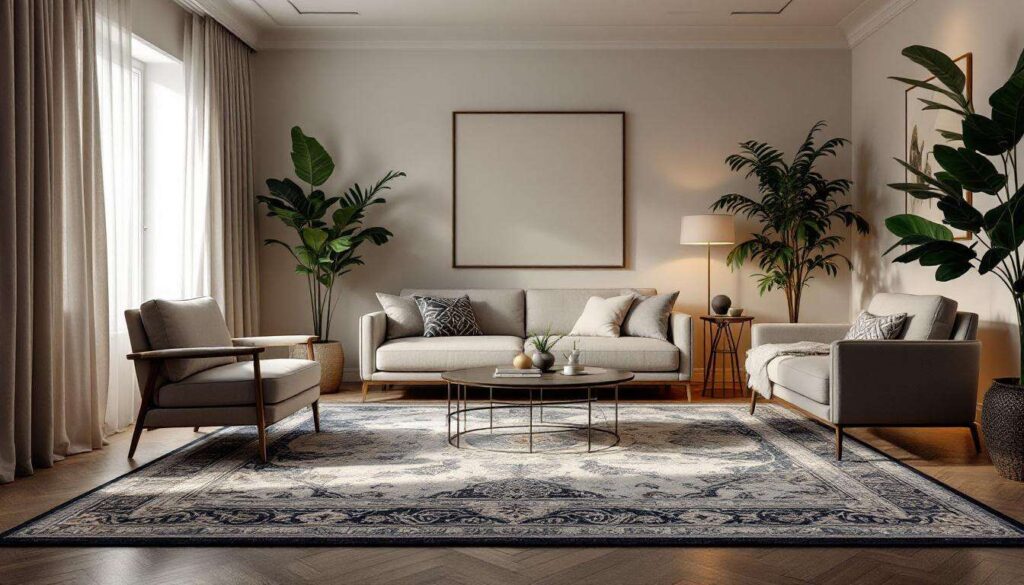
Layering texture through area rugs over hard flooring creates flexibility, allowing seasonal adjustments whilst maintaining the foundational character established by the permanent floor surface.
Colours and patterns: enhancing your interior décor
Floor colour establishes the palette foundation, whilst patterns introduce movement and visual complexity. Strategic colour and pattern choices amplify design intentions and compensate for architectural limitations.
Neutral foundations versus bold statements
Neutral flooring provides versatility, allowing furniture and accessories to change without clashing. However, bold floor colours or patterns create immediate impact, transforming spaces with minimal additional intervention.
Pattern direction and room proportion
Plank direction, tile layout, and pattern orientation manipulate perceived dimensions:
- Lengthwise installation elongates narrow rooms
- Diagonal patterns add dynamic energy and disguise irregular room shapes
- Herringbone and chevron create sophisticated movement
- Large-format tiles minimise grout lines for seamless expanses
Coordinating with existing elements
Floor selection must harmonise with fixed elements including architectural features, built-in furniture, and adjacent room flooring. Undertone matching ensures cohesion, whether selecting warm honey tones, cool grey bases, or balanced neutral grounds.
Samples should always be viewed in the actual space under various lighting conditions, as showroom appearances rarely translate accurately to home environments.
Maintaining your floor for longevity
Proper maintenance preserves both appearance and structural integrity, protecting the investment whilst ensuring the floor continues enhancing the living room. Regular care prevents deterioration that diminishes visual impact over time.
Daily and weekly care routines
Consistent light maintenance prevents dirt accumulation and surface damage. Recommended practices include:
- Daily sweeping or vacuuming to remove abrasive particles
- Weekly damp mopping with appropriate cleaning solutions
- Immediate spill cleanup preventing stain penetration
- Protective pads beneath furniture legs avoiding scratches
Material-specific maintenance requirements
Each flooring type demands tailored care approaches. Wood floors benefit from periodic refinishing, stone requires sealing to prevent staining, and vinyl needs pH-neutral cleaners avoiding chemical damage. Understanding these specific needs ensures longevity and sustained beauty.
Professional intervention and restoration
Periodic professional cleaning and restoration services revitalise floors, removing embedded dirt and refreshing protective finishes. These interventions extend lifespan considerably, making them worthwhile investments that preserve the transformative effect the floor provides.
Establishing maintenance schedules prevents neglect that allows gradual deterioration to undermine the floor’s contribution to the living room’s overall aesthetic appeal.
Economical solutions for a quick makeover
Budget constraints need not prevent floor improvements. Numerous cost-effective approaches deliver substantial visual impact without extensive renovation expenditure.
Area rugs as transformative layers
Strategic rug placement introduces colour, pattern, and texture whilst concealing less appealing existing flooring. Large-scale rugs anchor seating arrangements, creating defined zones within open-plan spaces and adding warmth to cold hard surfaces.
Paint and stain treatments
Existing wood floors can be refreshed through sanding and staining in contemporary colours, dramatically altering appearance at modest cost. Specialist floor paints transform tired concrete or worn vinyl, offering creative possibilities including geometric patterns and ombré effects.
Affordable material alternatives
Budget-friendly options provide impressive results:
- Laminate flooring replicating expensive hardwood aesthetics
- Peel-and-stick vinyl tiles enabling DIY installation
- Painted concrete with decorative stencilling
- Remnant carpeting or offcut materials from suppliers
Phased implementation strategies
Completing flooring projects in stages spreads costs whilst delivering progressive improvements. Beginning with the most visible living room area creates immediate impact, with adjacent spaces addressed as budgets allow.
The transformative power of thoughtful flooring choices cannot be overstated. This foundational element establishes character, manipulates spatial perception, and provides the visual anchor upon which successful interior design depends. Whether selecting luxurious natural materials or exploring budget-conscious alternatives, attention to texture, colour, and pattern creates the dimensional interest that prevents living rooms from feeling flat. Regular maintenance preserves these benefits, ensuring floors continue enhancing spaces for years. The detail beneath our feet truly does change everything, elevating ordinary rooms into compelling, characterful environments that reflect personal style whilst providing enduring comfort and beauty.