


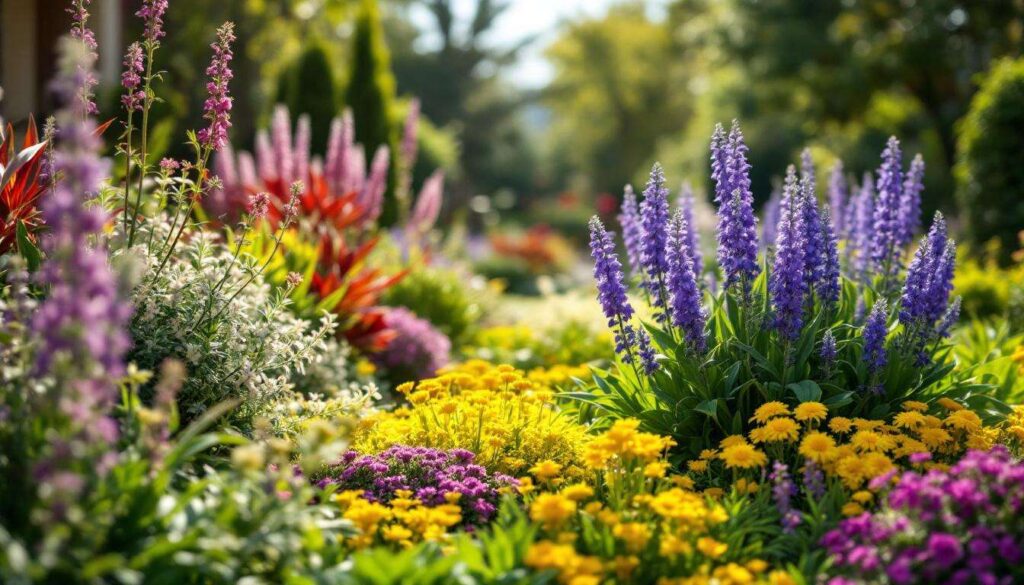
Garden design is undergoing a profound transformation as homeowners and landscape professionals alike recognise the limitations of traditional flower beds. The relentless cycle of watering, weeding, fertilising and replanting has prompted a shift towards more practical alternatives. Tough, resilient plants are stepping into the spotlight, offering beauty without the burden of constant attention. This movement reflects broader concerns about water conservation, environmental sustainability and the desire for outdoor spaces that thrive with minimal intervention.
Resilient plants: an emerging trend
The rise of low-maintenance gardening
Across Britain and beyond, gardeners are embracing species that can withstand drought, poor soil conditions and temperature fluctuations without sacrificing aesthetic appeal. This trend has gained momentum as climate patterns become increasingly unpredictable and water restrictions more common. Resilient plants represent a practical response to these challenges, combining visual impact with remarkable durability.
The popularity of these hardy specimens extends beyond private gardens into public spaces, commercial landscapes and urban developments. Municipalities are particularly keen to reduce maintenance costs whilst maintaining attractive green spaces. The result is a growing catalogue of proven performers that deliver year-round interest with minimal input.
Characteristics of tough plants
What distinguishes resilient plants from their high-maintenance counterparts ? Several key features define this category:
- Deep root systems that access moisture far below the surface
- Waxy or hairy foliage that reduces water loss through transpiration
- Natural resistance to common pests and diseases
- Ability to thrive in nutrient-poor soils
- Tolerance of both drought and occasional waterlogging
These adaptations allow plants to flourish in conditions that would prove fatal to traditional bedding specimens. Their inherent toughness translates directly into reduced maintenance requirements and greater long-term success rates.
Understanding these characteristics helps explain why such plants are rapidly displacing conventional flower beds in forward-thinking landscape designs.
Why say goodbye to high-maintenance flower beds ?
The hidden costs of traditional gardening
Traditional flower beds demand substantial investments of time, money and resources. The true cost extends far beyond the initial purchase price of plants. Consider the ongoing requirements:
| Maintenance task | Frequency | Annual time investment |
|---|---|---|
| Watering | Daily in summer | 50-80 hours |
| Weeding | Weekly | 40-60 hours |
| Deadheading and pruning | Fortnightly | 25-35 hours |
| Fertilising | Monthly | 10-15 hours |
| Replanting | Seasonally | 15-25 hours |
These figures represent a significant commitment that many modern households struggle to accommodate. Water consumption alone can add considerably to utility bills, particularly during prolonged dry spells when beds require daily irrigation to prevent wilting.
Environmental concerns
Beyond personal inconvenience, high-maintenance flower beds raise environmental questions. The frequent application of fertilisers contributes to nutrient runoff, potentially contaminating waterways. Pesticides used to protect delicate plants can harm beneficial insects and disrupt local ecosystems. The water demands of thirsty bedding plants place strain on already stressed water supplies in many regions.
These considerations are prompting a re-evaluation of gardening practices, leading naturally to alternatives that align better with sustainable principles.
Perennials replacing classic maintenance
Top performers for British gardens
Several perennial species have emerged as outstanding replacements for traditional bedding schemes. These plants return year after year, establishing stronger root systems with each passing season. Their reliability and longevity make them increasingly popular choices:
- Sedum spectabile: fleshy leaves store water, providing drought tolerance and late-season nectar for pollinators
- Echinacea purpurea: bold flowers throughout summer, exceptional disease resistance and minimal water requirements
- Geranium varieties: ground-covering habits suppress weeds whilst delivering months of colourful blooms
- Nepeta (catmint): aromatic foliage deters pests, thrives in poor soil and tolerates neglect
- Salvia nemorosa: vertical flower spikes add structure, drought-resistant once established
Ornamental grasses for texture and movement
Ornamental grasses have become indispensable elements in modern planting schemes. Species such as Stipa tenuissima, Miscanthus sinensis and Calamagrostis × acutiflora offer graceful movement, attractive seed heads and year-round structure. They require virtually no maintenance beyond an annual cut-back and thrive in conditions that would challenge most flowering plants.
These perennials demonstrate that beauty and practicality need not be mutually exclusive, setting the stage for broader ecological advantages.
Ecological benefits of hardy plants
Supporting biodiversity
Resilient plants often provide superior habitat and food sources for wildlife compared to exotic bedding varieties. Native and near-native species have co-evolved with local insect populations, offering nectar, pollen and shelter that support entire food chains. Gardens planted with tough perennials become valuable corridors connecting fragmented habitats in urban and suburban environments.
Reducing chemical inputs
The inherent disease resistance and pest tolerance of hardy plants significantly reduces the need for chemical interventions. This creates healthier soil ecosystems where beneficial organisms can thrive. The cumulative effect across numerous gardens contributes to cleaner groundwater and healthier local environments.
Carbon sequestration and soil health
Perennial plants with extensive root systems improve soil structure and increase organic matter content over time. These roots sequester carbon, contributing to climate change mitigation efforts. The stable plantings require no annual soil disturbance, preserving soil structure and the complex microbial communities within.
These environmental advantages complement the practical benefits, making resilient plants attractive from multiple perspectives as we consider how to implement them effectively.
Landscaping: sustainable design ideas
Creating layered plantings
Successful low-maintenance landscapes employ layered planting strategies that mimic natural plant communities. This approach combines:
- Tall structural plants (grasses, Verbena bonariensis) for height and drama
- Mid-height perennials (Achillea, Echinacea) for colour and substance
- Ground-covering species (Geranium, Ajuga) to suppress weeds and fill gaps
This layering creates visual interest whilst ensuring every inch of soil is covered, reducing weed germination and moisture loss through evaporation.
Incorporating hardscaping elements
Combining resilient plants with permeable paving, gravel mulches and natural stone creates gardens that are both beautiful and functional. These materials reduce planted areas whilst adding textural contrast. Gravel mulches, in particular, suppress weeds, moderate soil temperature and reduce watering needs.
Designing for year-round appeal
Tough plants offer opportunities for extended seasonal interest. Selecting species with attractive seed heads that persist through winter, evergreen foliage that provides structure, and staggered flowering periods ensures the garden remains engaging throughout the year without constant replanting.
With design principles established, practical guidance on selection and care ensures successful implementation.
How to choose and maintain resilient plants in 2026
Assessing your site conditions
Successful plant selection begins with honest evaluation of your garden’s characteristics. Consider soil type, drainage, sun exposure and microclimate before choosing species. Matching plants to existing conditions rather than attempting to modify the environment dramatically improves success rates and reduces ongoing maintenance.
Establishment phase requirements
Even tough plants require attention during their first growing season. Adequate watering whilst roots establish is essential for long-term success. Once established, however, these plants become remarkably self-sufficient. The initial investment of care pays dividends for years to come.
Minimal ongoing maintenance
Maintenance of resilient plantings typically involves:
- Annual cut-back of perennials in late winter or early spring
- Occasional division of vigorous clumps every three to five years
- Removal of any persistent weeds before they set seed
- Light top-dressing with compost every few years
This schedule represents a fraction of the effort required by traditional flower beds, freeing time for enjoyment rather than endless chores.
The shift towards resilient plants reflects a maturing understanding of sustainable gardening practices. By embracing species that thrive with minimal intervention, gardeners create beautiful spaces that support wildlife, conserve resources and reduce maintenance burdens. The tough plants replacing high-maintenance flower beds offer aesthetic appeal without compromise, proving that practical choices need not sacrifice beauty. As more gardeners experience the benefits of these hardy performers, the transformation of our planted landscapes will continue, creating greener, more sustainable outdoor spaces for everyone to enjoy.