


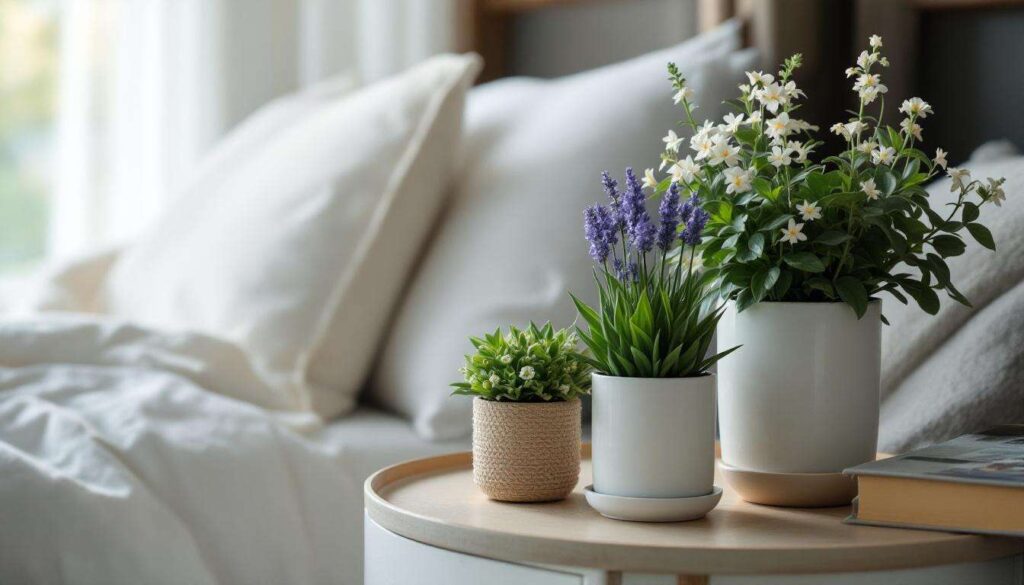
Struggling to drift off at night or waking up feeling less than refreshed has become a common complaint in modern households. While many turn to medication or elaborate bedtime routines, a simpler solution might be sitting on your windowsill. Certain houseplants possess remarkable properties that can transform your bedroom into a sanctuary of rest, naturally improving air quality, reducing stress levels, and promoting deeper sleep cycles. Positioning the right botanical companions near your bed could be the missing element in your quest for restorative slumber.
The benefits of plants for sleep
How plants improve bedroom air quality
Plants function as natural air filters, absorbing carbon dioxide and releasing oxygen through photosynthesis. Some species continue this process at night, making them particularly valuable bedroom companions. They also remove harmful toxins such as formaldehyde, benzene, and trichloroethylene from indoor environments, substances commonly released by furniture, paint, and cleaning products. This purification process creates a cleaner breathing environment that supports uninterrupted sleep.
The psychological impact of greenery
Beyond their physical benefits, plants offer significant psychological advantages that directly influence sleep quality:
- They reduce stress and anxiety levels through their calming visual presence
- They create a connection to nature that promotes relaxation
- They improve mood and overall sense of wellbeing
- They provide a nurturing activity that establishes healthy evening routines
Research has demonstrated that simply viewing plants can lower blood pressure and heart rate, physiological changes that facilitate the transition to sleep. The act of caring for plants also encourages mindfulness, helping to quiet racing thoughts that often prevent restful nights.
Humidity regulation for better breathing
Many houseplants release moisture through a process called transpiration, naturally increasing humidity levels in dry bedroom environments. This proves especially beneficial during winter months when heating systems create arid conditions that irritate respiratory passages and cause discomfort. Adequate humidity prevents dry throats, congestion, and coughing that can disrupt sleep throughout the night.
Understanding these foundational benefits sets the stage for exploring specific plant varieties that excel in bedroom environments, each offering unique advantages for sleep enhancement.
Aloe vera: a natural air purifier
Exceptional air-cleaning capabilities
Aloe vera stands out as one of the most effective plants for removing airborne pollutants. This succulent excels at filtering formaldehyde and benzene whilst releasing oxygen predominantly during nighttime hours. Unlike many plants that only photosynthesize during daylight, aloe vera continues producing oxygen after sunset, making it an ideal bedside companion for maintaining fresh air throughout sleeping hours.
Low-maintenance requirements
For those concerned about adding care responsibilities to their routine, aloe vera offers remarkable ease:
- Requires watering only every two to three weeks
- Thrives in indirect sunlight near bedroom windows
- Tolerates temperature fluctuations common in sleeping spaces
- Needs minimal fertilisation or special attention
Additional health benefits
Beyond air purification, aloe vera gel provides a convenient remedy for minor skin irritations, burns, and dryness. Having this natural treatment readily available on your bedside table means immediate relief without leaving your bedroom. The plant’s subtle appearance blends seamlessly with various décor styles whilst occupying minimal space.
Whilst aloe vera works quietly to purify your breathing space, another plant offers more direct sensory benefits through its renowned aromatic properties.
Lavender: the relaxation ally
The science behind lavender’s calming effects
Lavender has earned its reputation as a sleep-promoting powerhouse through extensive scientific validation. The plant’s essential oils contain linalool and linalyl acetate, compounds that interact with neurotransmitter systems to reduce anxiety and induce relaxation. Studies have shown that exposure to lavender scent decreases heart rate, lowers blood pressure, and shifts brain waves towards patterns associated with deeper sleep states.
Practical applications in the bedroom
| Method | Effectiveness | Duration |
|---|---|---|
| Fresh potted plant | Subtle, continuous | Ongoing with proper care |
| Dried lavender sachet | Moderate, decreasing | 2-3 months |
| Essential oil diffuser | Strong, controllable | Several hours per use |
A living lavender plant provides the most sustainable option, releasing its calming fragrance naturally without requiring electricity or frequent replacement. Position it where you can gently brush against the leaves before bed, releasing a stronger burst of aroma during your evening routine.
Care considerations for indoor lavender
Lavender requires slightly more attention than some alternatives but remains manageable with proper understanding. It needs bright light, preferably from a south-facing window, and well-draining soil that dries between waterings. Overwatering represents the most common mistake, as lavender originates from Mediterranean climates with dry conditions. Pruning after flowering encourages bushier growth and maintains the plant’s aromatic potency.
Where lavender soothes through scent, another bedroom plant takes a different approach by dramatically improving oxygen availability throughout the night.
Snake plant: a source of oxygen
Unique nighttime oxygen production
The snake plant, also known as mother-in-law’s tongue, performs a rare botanical feat by converting carbon dioxide to oxygen during darkness. Most plants reverse this process at night, consuming oxygen, but snake plants utilise crassulacean acid metabolism, an adaptation that makes them exceptional bedroom choices. This continuous oxygen production helps maintain optimal air quality precisely when you need it most.
Remarkable resilience and adaptability
Few plants match the snake plant’s tolerance for neglect and challenging conditions:
- Survives with watering as infrequent as once monthly
- Tolerates low light conditions where other plants fail
- Withstands temperature variations without distress
- Resists most common pests and diseases
- Grows slowly, requiring infrequent repotting
This extraordinary hardiness makes snake plants perfect for busy individuals or those new to plant care who want sleep benefits without demanding maintenance schedules.
Aesthetic versatility
Snake plants offer striking architectural foliage that complements contemporary, minimalist, and traditional bedroom designs alike. Their upright growth habit occupies minimal floor space whilst making a bold visual statement. Varieties range from compact cultivars suitable for nightstands to tall specimens that serve as floor features, allowing customisation to your specific space and style preferences.
Whilst snake plants work silently to oxygenate your space, jasmine engages your senses more directly with its intoxicating evening fragrance.
Jasmine: a calming ambience
Aromatic influence on sleep quality
Jasmine produces an exquisite fragrance that intensifies during evening hours, perfectly timed with bedtime routines. Research has demonstrated that jasmine scent improves sleep quality as effectively as some sedatives, without side effects or morning grogginess. Participants exposed to jasmine aroma experienced less movement during sleep, indicating deeper rest, and reported feeling more alert and productive the following day.
Varieties suitable for bedroom cultivation
Several jasmine species adapt well to indoor environments, each offering distinct characteristics:
- Jasminum polyanthum: produces abundant pink-white flowers with intense fragrance
- Jasminum sambac: features pure white blooms and compact growth habit
- Jasminum officinale: offers delicate flowers and climbing growth suitable for training
Select varieties based on your available space and desired fragrance intensity. Some individuals find certain jasmine species overwhelmingly strong, so consider starting with a smaller plant to assess your tolerance before committing to a larger specimen.
Cultivation requirements for flowering success
Jasmine demands more attention than previously mentioned plants but rewards efforts with spectacular blooms. It requires bright indirect light, consistent moisture without waterlogging, and moderate humidity levels. Feed monthly during growing seasons with balanced fertiliser to support flower production. Prune after flowering to maintain shape and encourage branching, which produces more blooming sites for subsequent seasons.
For those seeking benefits beyond fragrance, particularly in drier climates, the areca palm offers a different set of advantages focused on environmental conditioning.
Areca palm: for humid and purified air
Superior humidity generation
The areca palm functions as a natural humidifier, releasing substantial moisture into surrounding air through its extensive leaf surface. This proves invaluable in bedrooms where dry air causes discomfort, particularly during winter heating or in arid climates. Adequate humidity prevents respiratory irritation, reduces snoring, and maintains comfortable breathing throughout the night, all contributing to uninterrupted sleep.
Comprehensive air purification
| Pollutant | Removal Rate | Health Impact |
|---|---|---|
| Formaldehyde | High | Respiratory irritation, headaches |
| Xylene | Moderate | Dizziness, confusion |
| Toluene | Moderate | Fatigue, nausea |
The areca palm’s filtration capabilities extend across multiple harmful compounds commonly found in indoor environments, creating cleaner air that supports healthier sleep patterns and overall wellbeing.
Space and care considerations
Areca palms grow substantially larger than other bedroom plants, eventually reaching heights of six to seven feet indoors. This size requirement means they suit spacious bedrooms or can serve as floor plants in corners rather than bedside tables. They prefer bright, indirect light and consistent moisture, requiring more frequent watering than succulents but less than tropical flowering plants. Their graceful fronds create a tropical atmosphere that many find inherently relaxing, enhancing the bedroom’s overall ambience beyond purely functional benefits.
Areca palms also benefit from occasional misting to supplement their humidity preferences and regular feeding during growing months to support their substantial foliage production.
Transforming your bedroom into a sleep-promoting environment need not involve expensive equipment or complicated routines. Strategic placement of appropriate plants offers natural solutions to common sleep disruptions, from poor air quality to stress and dry conditions. Whether you choose the low-maintenance snake plant, aromatic lavender, or humidity-generating areca palm, each species brings proven benefits that support restorative rest. Start with one or two plants suited to your space and care capacity, then expand your collection as you experience the improvements they deliver to your nightly slumber.