

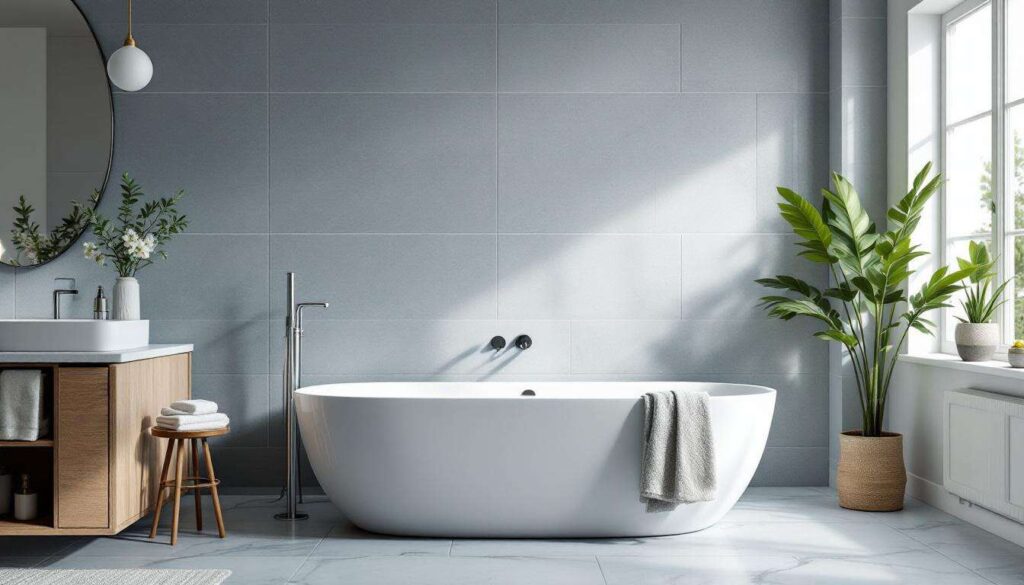
Transforming a tired bathroom doesn’t always require demolition and extensive renovation work. Painting existing tiles offers a practical, cost-effective solution that can dramatically refresh the space whilst preserving the underlying structure. This approach has gained considerable traction amongst homeowners seeking to modernise their bathrooms without the disruption and expense of complete refurbishment. With proper preparation and suitable materials, painted tiles can deliver impressive results that rival traditional tiling methods.
Introduction to painting bathroom tiles
Understanding the tile painting process
Painting bathroom tiles represents a transformative technique that allows homeowners to update their spaces without removing existing ceramic or porcelain surfaces. This method involves applying specialised paint formulations designed to adhere to glazed surfaces, creating a durable and water-resistant finish. The process requires careful preparation and appropriate product selection to ensure lasting results.
The fundamental principle behind tile painting relies on creating sufficient adhesion between the paint and the glossy tile surface. Modern tile paints contain bonding agents that grip non-porous materials effectively, whilst providing flexibility to accommodate the slight expansion and contraction that occurs in bathroom environments.
Suitable tile types for painting
Not all tiles respond equally well to paint application. Understanding which surfaces work best helps ensure successful outcomes:
- Ceramic tiles with glazed finishes provide excellent surfaces for painting
- Porcelain tiles accept paint well after proper preparation
- Smooth, flat tiles yield better results than heavily textured varieties
- Wall tiles generally perform better than floor tiles due to reduced wear
- Tiles in good structural condition without cracks or loose sections
The condition of existing grout also influences the final appearance. Whilst grout can be painted alongside tiles, heavily damaged or missing grout should be repaired before beginning the painting process.
Having established the fundamentals of tile painting, the next crucial consideration involves selecting appropriate materials that will withstand the demanding bathroom environment.
Choosing the right materials for painting
Types of tile paint available
The market offers several specialised paint formulations designed specifically for tile surfaces. Each type presents distinct characteristics suited to different applications and preferences:
| Paint Type | Characteristics | Best For |
|---|---|---|
| Epoxy-based paint | Extremely durable, water-resistant | High-moisture areas, shower walls |
| Acrylic tile paint | Easy application, moderate durability | Low-splash walls, decorative areas |
| Two-part tile coating | Professional-grade, chemical-resistant | Complete bathroom transformations |
Epoxy-based formulations typically deliver the most resilient finish, particularly important in wet zones where constant moisture exposure occurs. These products cure through chemical reaction rather than simple evaporation, creating a harder, more impervious surface.
Essential tools and supplies
Beyond the paint itself, successful tile painting requires specific tools and preparatory materials. Gathering everything beforehand ensures efficient workflow and prevents interruptions:
- High-quality synthetic brushes or foam rollers designed for smooth surfaces
- Degreasing cleaner or sugar soap for thorough tile cleaning
- Fine-grit sandpaper or sanding block for surface preparation
- Tile primer compatible with chosen paint system
- Painter’s tape for protecting fixtures and creating clean edges
- Adequate ventilation equipment including fans or respirators
Investing in proper tools significantly affects the final result. Cheap brushes shed bristles, whilst inadequate rollers create uneven coverage that becomes visible once the paint dries.
With materials selected and assembled, attention must turn to the critical preparation phase that determines whether the paint will adhere properly and last for years.
Preparing tiles before painting
Thorough cleaning procedures
Preparation constitutes the most critical phase of any tile painting project. Even microscopic residues of soap, body oils, or cleaning products can prevent proper paint adhesion, leading to premature failure. The cleaning process should be methodical and comprehensive.
Begin by removing all soap scum, limescale, and general grime using a strong degreasing agent. Sugar soap works particularly well, cutting through accumulated residues effectively. Scrub all surfaces thoroughly, paying special attention to corners and grout lines where buildup concentrates. Rinse completely with clean water and allow surfaces to dry completely, which may require 24 hours in poorly ventilated bathrooms.
Surface abrading and priming
Once cleaned and dried, tiles require mechanical preparation to create texture that helps paint grip the glossy surface. This process, known as keying or abrading, involves lightly sanding the entire tile surface:
- Use 120 to 180-grit sandpaper for optimal surface texture
- Sand in circular motions without applying excessive pressure
- Focus on creating a uniform matte finish across all tiles
- Remove all sanding dust with a damp cloth followed by thorough drying
- Apply appropriate primer according to manufacturer specifications
Priming serves as the bonding layer between tile and topcoat, dramatically improving adhesion whilst providing a uniform base that enhances colour consistency. Some advanced tile paint systems incorporate primer and paint in a single product, though separate priming generally produces superior results.
Once preparation is complete, the actual painting can commence, employing specific techniques that ensure professional-quality results.
Techniques and tips for a professional finish
Application methods for best results
Applying tile paint requires patience and systematic approach rather than speed. Rushing the process invariably leads to visible flaws including brush marks, uneven coverage, and premature wear. Professional painters recommend working in small sections, maintaining wet edges to avoid lap marks.
For optimal coverage, apply paint in thin, even coats rather than attempting to achieve full opacity in a single application. Most tile painting projects require two to three coats, with each layer allowed to cure completely before applying the next. This approach builds depth and durability whilst minimising the risk of runs or sags.
Common mistakes to avoid
Even experienced decorators can encounter problems when painting tiles. Awareness of typical pitfalls helps prevent costly errors:
- Insufficient drying time between coats leading to soft, easily damaged finishes
- Painting in high humidity conditions that prevent proper curing
- Inadequate ventilation causing solvent accumulation and health hazards
- Neglecting to protect fixtures, resulting in difficult paint removal
- Using incorrect paint types not formulated for tile applications
- Skipping primer application to save time or money
Temperature also significantly affects paint performance. Most tile paints require ambient temperatures between 10°C and 25°C for proper curing. Working outside this range can cause adhesion problems or extended drying times.
After investing effort in proper application, understanding how to maintain the painted surface ensures the transformation remains attractive for years.
Maintenance and longevity of tile paint
Expected lifespan and durability factors
When executed correctly using quality materials, painted bathroom tiles can last three to five years before requiring refreshing, with some installations remaining attractive considerably longer. Several factors influence longevity:
| Factor | Impact on Longevity |
|---|---|
| Moisture exposure | High exposure reduces lifespan |
| Ventilation quality | Good ventilation extends durability |
| Cleaning product types | Harsh chemicals accelerate wear |
| Physical contact | High-traffic areas deteriorate faster |
Tiles in shower enclosures experience the most demanding conditions and typically require repainting sooner than those on walls distant from direct water spray. Proper curing time before exposing painted surfaces to moisture proves essential, with most products requiring 72 hours to one week before full bathroom use resumes.
Caring for painted tiles
Appropriate maintenance practices significantly extend the life of painted tile surfaces. Gentle cleaning methods preserve the finish whilst maintaining hygiene and appearance:
- Use mild, pH-neutral cleaning solutions rather than abrasive or acidic products
- Clean with soft cloths or non-scratch sponges, avoiding scouring pads
- Wipe surfaces dry after bathing to minimise standing water
- Ensure adequate ventilation during and after bathroom use
- Address any chips or damage promptly to prevent moisture penetration
Regular inspection allows early detection of wear, enabling touch-ups before extensive repainting becomes necessary. Small damaged areas can often be spot-repaired, extending the overall finish lifespan considerably.
Understanding both the advantages and constraints of tile painting helps homeowners make informed decisions about whether this approach suits their particular situation.
Benefits and limitations of painting tiles
Advantages of choosing paint over replacement
Tile painting offers numerous compelling benefits that make it attractive for bathroom updates. The financial savings alone often justify the approach, with painted tiles costing a fraction of complete retiling. Beyond economics, other advantages include:
- Minimal disruption to household routines during application
- No structural alterations or plumbing modifications required
- Extensive colour choices unavailable in standard tile ranges
- Opportunity to test design concepts before permanent changes
- Environmentally friendly approach reducing landfill waste
- Completion possible within a weekend for average bathrooms
The aesthetic transformation achievable through painting can be dramatic, turning dated avocado or pink tiles into contemporary neutral tones or fashionable accent colours. This flexibility allows homeowners to update their spaces in line with evolving design preferences.
Realistic expectations and constraints
Despite its advantages, tile painting presents certain limitations that require consideration. Painted finishes, regardless of quality, cannot match the durability of ceramic glaze. High-impact areas may show wear relatively quickly, particularly around taps and shower controls where frequent contact occurs.
Additionally, painted tiles require more careful maintenance than unpainted surfaces. The finish remains susceptible to damage from harsh cleaning products, and repairs, whilst possible, may not blend seamlessly with surrounding areas. For rental properties or homes intended for imminent sale, painted tiles might not provide sufficient return on investment.
Textured or heavily patterned tiles present application challenges, with paint pooling in recesses and wearing quickly from raised areas. In such cases, the effort required may not justify the results, making replacement a more sensible option.
Painting bathroom tiles presents a viable alternative to expensive renovation for many homeowners seeking refreshed spaces. Success depends upon selecting appropriate materials, executing thorough preparation, and applying products according to manufacturer guidelines. Whilst painted tiles require more maintenance than their glazed counterparts and eventually need repainting, the immediate transformation, cost savings, and reduced disruption make this approach attractive for updating tired bathrooms. Understanding both the potential and limitations allows realistic expectations, ensuring satisfaction with the results achieved through this accessible makeover technique.