


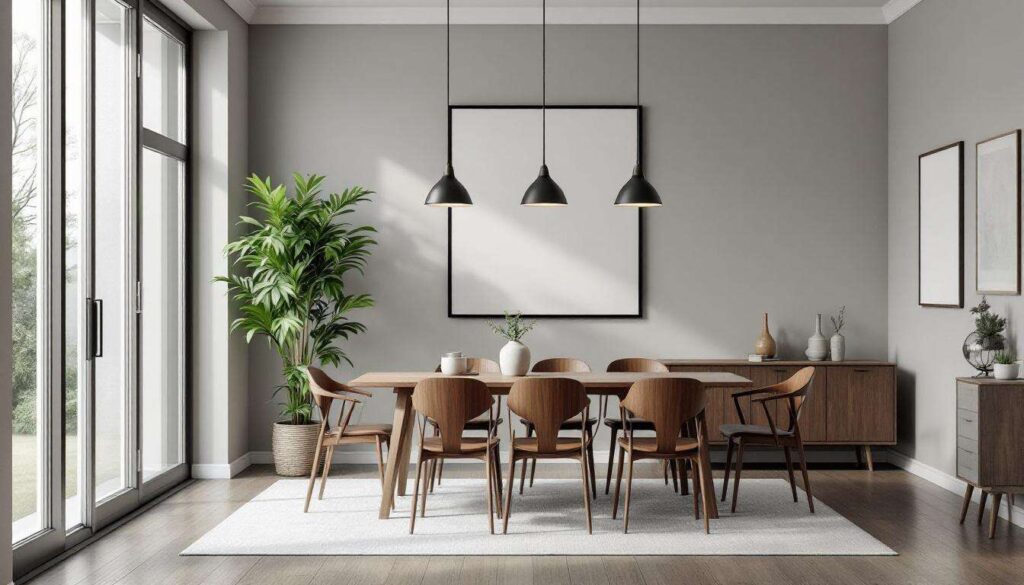
The dining room is reclaiming its status as a cherished gathering place where families and friends come together to share meals, stories, and memories. Designers are reimagining these spaces with fresh perspectives that balance aesthetics with functionality, creating environments that feel both sophisticated and welcoming. From unexpected ceiling treatments to versatile layouts that adapt to modern lifestyles, the trends shaping dining rooms reflect a desire for spaces that nurture connection whilst expressing individual style.
Rediscovery of reflective ceilings
Transforming the fifth wall into a design statement
The ceiling, often overlooked in interior design, is emerging as a focal point in contemporary dining rooms. Designers are embracing reflective finishes such as high-gloss lacquers, metallic paints, and even gold leaf treatments to transform this fifth wall into a captivating element. These surfaces catch and bounce light throughout the space, creating a sense of depth and luminosity that traditional flat finishes cannot achieve.
Benefits of reflective ceiling treatments
The appeal of reflective ceilings extends beyond mere visual interest. These treatments offer practical advantages that enhance the overall dining experience:
- Amplification of natural and artificial light, reducing the need for excessive lighting fixtures
- Creation of the illusion of greater height and spaciousness in rooms with lower ceilings
- Addition of a luxurious, sophisticated atmosphere that elevates everyday dining
- Reflection of beautiful table settings and centrepieces, creating a layered visual effect
Popular reflective finishes
| Finish Type | Visual Effect | Best Suited For |
|---|---|---|
| High-gloss lacquer | Mirror-like reflection | Modern, minimalist spaces |
| Metallic paint | Subtle shimmer | Transitional and eclectic rooms |
| Gold or silver leaf | Warm, textured glow | Traditional and glamorous settings |
| Venetian plaster | Soft, pearlescent sheen | Mediterranean and rustic styles |
This renewed attention to ceiling design sets the stage for dining rooms that feel intentionally crafted from every angle, naturally leading to considerations of how the entire space can adapt to various social occasions.
Flexible entertainment spaces
Adapting to multiple functions
Modern dining rooms are evolving beyond their traditional role as dedicated eating areas. Designers are creating multifunctional spaces that accommodate a variety of activities, from formal dinner parties to casual family game nights. This versatility reflects changing lifestyles where homes must work harder to support diverse needs without requiring additional square footage.
Design strategies for flexibility
Achieving true flexibility requires thoughtful planning and strategic design choices. Key approaches include:
- Incorporating extendable or modular dining tables that adjust to accommodate different group sizes
- Selecting lightweight chairs that can be easily moved or stacked when additional floor space is needed
- Installing dimmable lighting systems that create appropriate ambiance for various occasions
- Integrating storage solutions such as built-in cabinetry or sideboards to conceal items when not in use
- Using area rugs to define the dining zone whilst maintaining visual connection to adjacent spaces
Creating intentional separation
Whilst flexibility is important, designers are also recognising the value of defined boundaries that give dining rooms a sense of purpose and intimacy. This involves moving away from completely open-plan layouts towards more intentional separations:
| Separation Method | Visual Impact | Functional Benefit |
|---|---|---|
| Cased openings | Architectural definition | Maintains flow whilst creating threshold |
| Ceiling height changes | Dramatic spatial distinction | Enhances sense of occasion |
| Distinct flooring materials | Clear zone delineation | Practical for cleaning and maintenance |
| Partial walls or screens | Contemporary screening | Provides privacy without isolation |
These flexible yet defined spaces naturally require furniture that supports both comfort and versatility, which brings attention to how seating itself is being reimagined.
The art of layered seating
Moving beyond matching sets
The era of perfectly matched dining chair sets is giving way to more eclectic and personalised approaches. Designers are embracing layered seating arrangements that combine different styles, materials, and even heights to create visual interest and accommodate diverse preferences. This trend reflects a broader movement towards curated interiors that tell a story rather than adhering to rigid design rules.
Mixing seating styles effectively
Successful layered seating requires a thoughtful balance between variety and cohesion. Consider these approaches:
- Pairing upholstered host chairs at table ends with simpler side chairs along the length
- Incorporating a bench on one side of the table for casual, family-friendly seating
- Mixing materials such as wood, metal, and upholstery whilst maintaining a consistent colour palette
- Combining vintage or antique pieces with contemporary designs for an eclectic aesthetic
- Varying chair heights slightly to create subtle visual rhythm around the table
Comfort considerations
Whilst aesthetics are important, comfort remains paramount in dining seating. Layered approaches can actually enhance comfort by offering options that suit different body types and preferences:
| Seating Type | Comfort Feature | Ideal Placement |
|---|---|---|
| Upholstered armchairs | Supportive arms and cushioning | Head positions for lingering conversations |
| Wooden chairs with cushions | Firm support with soft seating | Side positions for regular use |
| Benches with backs | Casual, flexible seating | One table side for families with children |
| Counter-height stools | Relaxed, contemporary feel | Casual dining areas or kitchen islands |
The variety in seating naturally complements another emerging trend that grounds the dining room with rich, natural materials.
Dark wood tones for a warm ambiance
Shift from light to medium and dark woods
After years of dominance by light oak and blonde woods, the design world is embracing richer, darker wood tones that bring warmth and sophistication to dining spaces. Walnut, mahogany, and deep-stained oak are appearing in dining tables, cabinetry, and architectural details, creating environments that feel grounded and inviting. This shift reflects a broader desire for cosy, enveloping spaces that encourage people to gather and linger.
Psychological impact of dark woods
The appeal of darker wood tones extends beyond aesthetics to the emotional response they evoke. These finishes create a sense of intimacy and comfort that lighter woods cannot replicate:
- Establishment of a more formal, occasion-worthy atmosphere for special meals
- Creation of visual weight that anchors furniture and makes spaces feel more substantial
- Enhancement of candlelight and ambient lighting through subtle reflection and absorption
- Provision of a rich backdrop that makes food, tableware, and floral arrangements appear more vibrant
- Connection to natural environments and traditional craftsmanship
Balancing dark woods with other elements
To prevent dark wood from overwhelming a space, designers employ strategic balancing techniques:
| Element | Balancing Strategy | Effect |
|---|---|---|
| Wall colour | Light neutrals or soft pastels | Prevents space from feeling cave-like |
| Textiles | Lighter upholstery and curtains | Adds contrast and visual relief |
| Metallic accents | Brass, gold, or bronze fixtures | Introduces warmth and reflection |
| Lighting | Layered ambient and task lighting | Ensures adequate illumination |
These warm wood tones work harmoniously with another trend that softens the overall aesthetic of dining spaces.
Curves and soft hues
Departure from angular minimalism
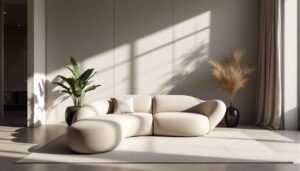
The stark, angular lines that characterised recent design trends are giving way to softer, more organic forms. Curved furniture, rounded archways, and flowing shapes are appearing in dining rooms, creating environments that feel more approachable and comfortable. This trend represents a reaction against the coldness of rigid minimalism, embracing instead a gentler aesthetic that promotes relaxation and wellbeing.
Incorporating curves into dining spaces
Curves can be introduced through various design elements:
- Round or oval dining tables that facilitate conversation and eliminate sharp corners
- Chairs with curved backs and rounded edges for enhanced comfort
- Arched doorways or windows that add architectural interest
- Circular or curved pendant lights that soften overhead illumination
- Rounded sideboards and buffets with flowing silhouettes
- Curved wall mouldings or wainscoting for subtle visual movement
Soft colour palettes
Accompanying the trend towards curved forms is a preference for muted, soothing colour schemes. These palettes create calming environments that enhance the dining experience:
| Colour Family | Popular Shades | Emotional Effect |
|---|---|---|
| Warm neutrals | Cream, beige, warm grey | Comforting and timeless |
| Soft pastels | Blush pink, sage green, powder blue | Gentle and uplifting |
| Earth tones | Terracotta, clay, ochre | Grounding and natural |
| Muted jewel tones | Dusty emerald, soft sapphire | Sophisticated yet approachable |
These soft forms and hues create a welcoming foundation that allows personal expression through carefully chosen decorative elements.
Art and lighting that spark conversation
Statement pieces as focal points
Dining rooms are becoming galleries for bold artistic expression, with homeowners selecting pieces that reflect their personalities and interests. Rather than treating art as an afterthought, designers are positioning it as a central element that shapes the entire room’s character. This approach transforms dining spaces into curated environments that inspire discussion and create memorable experiences for guests.
Selecting impactful artwork
The right artwork can dramatically enhance a dining room’s atmosphere. Consider these approaches:
- Choosing large-scale pieces that command attention without overwhelming the space
- Creating gallery walls that tell a cohesive visual story
- Incorporating three-dimensional art such as sculptures or textile hangings
- Selecting pieces with colours that complement or contrast with the room’s palette
- Displaying personal collections or heirlooms that have meaningful stories
- Rotating artwork seasonally to refresh the space
Sculptural lighting as functional art
Lighting fixtures are no longer purely functional elements but rather artistic statements that define a dining room’s character:
| Lighting Type | Design Impact | Conversation Potential |
|---|---|---|
| Oversized chandeliers | Dramatic focal point | Immediate talking point for guests |
| Sculptural pendants | Contemporary artistry | Reflects owner’s design sensibility |
| Linear suspensions | Modern elegance | Architectural interest above table |
| Clustered fixtures | Eclectic, layered look | Unique, personalised approach |
Creating cohesive artistic narratives
The most successful dining rooms integrate art and lighting into a unified vision that feels intentional rather than random. This involves considering how pieces relate to one another and to the room’s overall aesthetic, ensuring that each element contributes to a harmonious whole whilst maintaining individual interest.
The dining room trends emerging reflect a fundamental shift towards spaces that prioritise human connection, personal expression, and thoughtful design. The embrace of reflective ceilings adds unexpected glamour whilst enhancing light, and flexible layouts ensure these rooms adapt to modern lifestyles without sacrificing their essential purpose. Layered seating arrangements move beyond rigid matching sets to create more interesting, comfortable environments, whilst dark wood tones ground spaces with warmth and sophistication. Soft curves and muted hues counter the harshness of previous minimalist trends, creating gentler atmospheres that invite lingering. Finally, bold art and sculptural lighting transform dining rooms into curated spaces that spark conversation and reflect individual personalities. Together, these trends signal a renaissance for the dining room as a cherished gathering place where design serves both beauty and meaningful human interaction.