

The way we approach home renovation is evolving rapidly as homeowners increasingly prioritise functionality, sustainability, and personal well-being. Design experts and industry professionals have identified several key trends that are reshaping residential spaces, reflecting broader shifts in how we live, work, and interact with our environments. These emerging patterns reveal a collective desire for homes that adapt to modern lifestyles whilst minimising environmental impact and maximising comfort.
Multifunctional Open Spaces
The Evolution of Flexible Living Areas
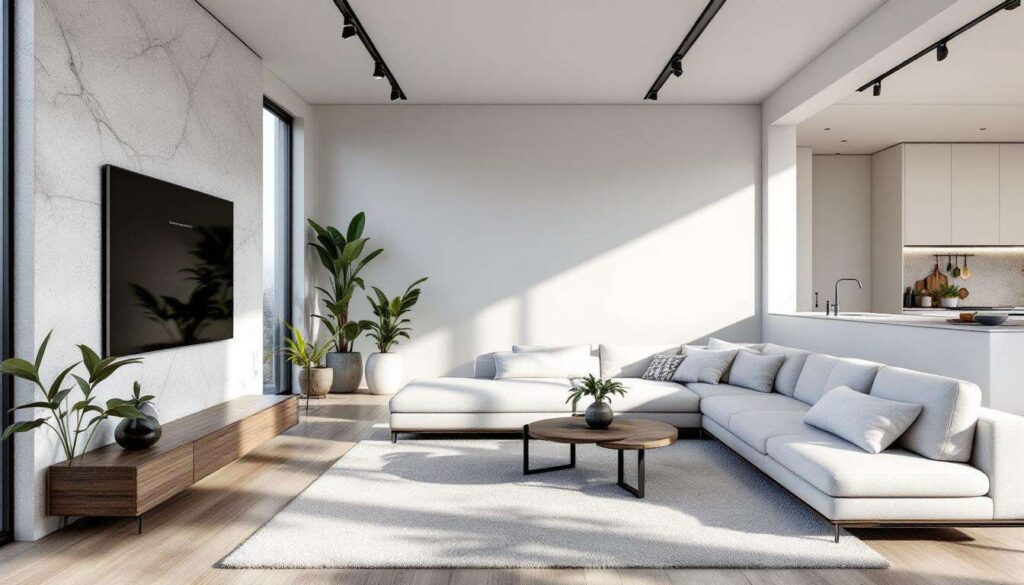
The traditional compartmentalised home layout is giving way to adaptable open-plan designs that serve multiple purposes throughout the day. Homeowners are increasingly removing walls between kitchens, dining areas, and living rooms to create expansive spaces that can accommodate various activities simultaneously. This approach reflects the growing need for homes that function as offices, gyms, entertainment venues, and family gathering spots all within the same footprint.
Practical Solutions for Space Optimisation
Designers are incorporating innovative features to maximise the utility of open spaces:
- Sliding partition walls that can divide or open up areas as needed
- Built-in storage solutions that maintain clean sightlines
- Convertible furniture including fold-down desks and Murphy beds
- Modular shelving systems that adapt to changing requirements
- Kitchen islands with integrated seating and workspace functionality
These multifunctional spaces address the reality that many people now work from home regularly, requiring environments that seamlessly transition between professional and personal use. The emphasis on flexibility ensures that rooms can evolve alongside changing family needs without requiring major structural alterations.
Smart Home for Comfort
Integrated Technology Systems
Home automation has moved beyond novelty status to become an essential component of modern renovation projects. Homeowners are investing in interconnected systems that control lighting, heating, security, and entertainment through centralised platforms. Voice-activated assistants and smartphone apps allow residents to adjust their environment effortlessly, creating personalised comfort settings that adapt to daily routines.
Energy Management and Efficiency
Smart technology extends to energy consumption monitoring, with systems that:
- Track usage patterns and identify opportunities for savings
- Automatically adjust heating and cooling based on occupancy
- Integrate with solar panels and battery storage solutions
- Provide real-time data on water consumption
- Schedule appliance operation during off-peak electricity periods
The combination of convenience and efficiency makes smart home technology particularly appealing, as it delivers both immediate comfort improvements and long-term cost reductions. Installation during renovation phases proves more economical than retrofitting, encouraging homeowners to incorporate these features from the outset.
Ecological and Sustainable Materials
Prioritising Environmental Responsibility
Sustainability has become a defining consideration in material selection, with homeowners seeking ethically sourced and environmentally friendly options for every aspect of renovation. This shift encompasses everything from structural elements to decorative finishes, reflecting heightened awareness of construction’s environmental footprint.
Popular Sustainable Material Choices
| Material | Benefits | Common Applications |
|---|---|---|
| Reclaimed wood | Reduces deforestation, unique character | Flooring, feature walls, furniture |
| Bamboo | Rapidly renewable, durable | Flooring, cabinetry, countertops |
| Recycled glass | Diverts waste, aesthetic appeal | Tiles, countertops, decorative elements |
| Low-VOC paints | Improved air quality, reduced toxins | Interior walls, ceilings |
| Cork | Renewable harvest, natural insulation | Flooring, wall coverings |
Beyond material selection, homeowners are choosing products with transparent supply chains and certifications that verify environmental claims. This conscientious approach extends the renovation’s positive impact beyond the immediate property.
Minimalism and Neutral Colours
The Appeal of Simplified Aesthetics
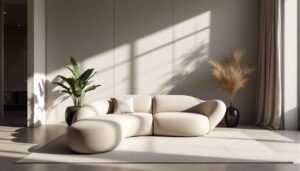
Contemporary renovations increasingly embrace pared-back design philosophies that prioritise quality over quantity. Minimalist approaches create calm, uncluttered environments that serve as antidotes to the visual noise of modern life. This trend manifests through streamlined furniture, concealed storage, and carefully curated decorative elements.
Neutral Palette Dominance
Colour schemes are gravitating towards subtle, nature-inspired tones:
- Warm whites and creams that enhance natural light
- Soft greys ranging from dove to charcoal
- Earthy beiges and taupes with organic undertones
- Muted greens reflecting biophilic design principles
- Gentle terracotta and clay shades for warmth
These neutral foundations provide versatility, allowing homeowners to refresh spaces through accessories and textiles without undertaking major redecoration. The timeless quality of these palettes also protects against dated appearances, ensuring renovations remain relevant for years.
Integrated Outdoor Spaces
Blurring Indoor-Outdoor Boundaries
Renovations increasingly treat outdoor areas as extensions of interior living space rather than separate entities. Large sliding or folding glass doors create seamless transitions between inside and outside, whilst covered patios and terraces provide weather-protected areas that expand usable square footage throughout the year.
Functional Outdoor Living Areas
Homeowners are investing in outdoor spaces equipped with:
- Full outdoor kitchens with built-in appliances
- Weather-resistant furniture and entertainment systems
- Fire pits and heating elements for year-round use
- Outdoor lighting schemes for ambience and safety
- Landscaping that provides privacy and visual interest
This integration reflects a desire to maximise connection with nature and expand entertaining possibilities. The outdoor areas function as additional rooms, complete with defined purposes and thoughtful design.
Well-being Focused Renovation
Designing for Physical and Mental Health
The most forward-thinking renovations incorporate features specifically intended to support occupant health and wellness. This holistic approach considers air quality, natural light exposure, acoustic comfort, and spaces dedicated to relaxation and exercise.
Key Wellness Features
Health-conscious renovations commonly include:
- Enhanced ventilation systems with air purification
- Maximised natural light through strategic window placement
- Dedicated meditation or yoga spaces
- Home gyms with appropriate flooring and equipment storage
- Spa-inspired bathrooms with soaking tubs and steam showers
- Circadian lighting systems that adjust throughout the day
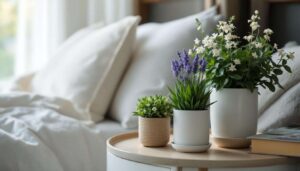
- Biophilic elements including indoor plants and natural materials
These features acknowledge that homes profoundly impact daily well-being, with thoughtful design capable of reducing stress, improving sleep quality, and encouraging healthy habits. The investment in wellness-focused renovations represents a recognition that our living environments shape our quality of life in measurable ways.
The renovation trends gaining prominence reflect fundamental shifts in priorities, with homeowners seeking spaces that adapt to complex modern lifestyles whilst respecting environmental limits. The convergence of functionality, technology, sustainability, and wellness creates homes that serve as true sanctuaries, supporting both practical needs and deeper aspirations for healthier, more intentional living. These evolving preferences demonstrate that thoughtful renovation extends beyond aesthetic updates to encompass meaningful improvements in how we experience our daily environments.