



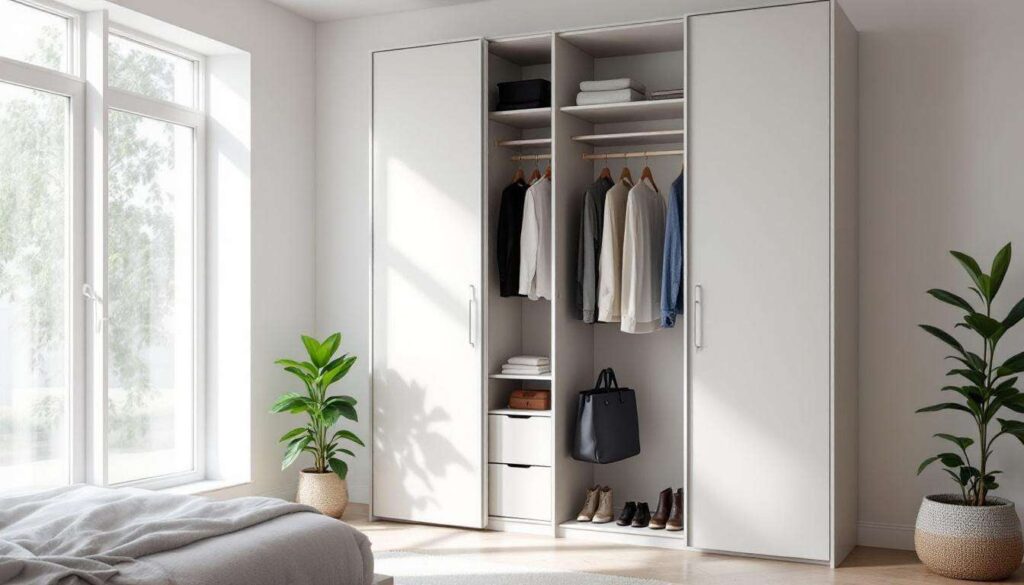
Transforming a bedroom with built-in IKEA PAX wardrobes seemed like the perfect weekend project until I found myself surrounded by flat-pack boxes, wondering what I’d got myself into. The allure of creating custom storage without the hefty price tag of bespoke carpentry is undeniable, but the reality involves more than just following illustrated instructions. After successfully completing my first solo PAX installation, I’ve gathered insights that would have saved me considerable time, frustration, and a few choice words. Whether you’re a seasoned DIY enthusiast or a determined beginner, understanding these crucial aspects before you start will make the difference between a smooth installation and a challenging ordeal.
Essential preparation and planning
The foundation of any successful built-in wardrobe project lies in meticulous planning long before you visit IKEA. I learned this the hard way when my initial measurements proved inaccurate, forcing me to return components and restart portions of the assembly.
Accurate room measurements
Taking precise measurements requires more than a quick tape measure sweep. Measure your space at multiple points along the wall, as older properties often have uneven floors and walls. I discovered a 15mm variance across my bedroom wall, which would have created significant gaps had I not accounted for it. Record measurements for:
- Wall width at floor level, mid-height, and ceiling
- Floor-to-ceiling height at several points
- Skirting board depth and height
- Any electrical outlets, switches, or radiators
- Window and door clearances
Planning your configuration
IKEA’s PAX planner tool provides an excellent starting point, but don’t rely on it exclusively. I spent hours configuring my ideal layout digitally, only to realise certain combinations wouldn’t work with my room’s specific quirks. Create a detailed floor plan showing exactly where each frame will sit, considering that built-in installations typically require removing skirting boards or using filler pieces.
Understanding your material options becomes the next critical step in bringing your vision to life.
Choosing IKEA PAX materials
The PAX system offers various finishes and internal fittings, and selecting appropriate materials significantly impacts both the installation process and final appearance.
Frame and door options
PAX frames come in white, black-brown, and white stained oak effect. For built-in installations, white frames typically blend most seamlessly with walls and cornicing. However, the door selection deserves careful consideration:
| Door Type | Advantages | Installation Difficulty |
|---|---|---|
| Hinged doors | Classic appearance, full access | Moderate |
| Sliding doors | Space-saving, modern look | Challenging |
| Mirror doors | Room enlargement effect | Heavy, requires care |
I initially chose sliding mirror doors for their aesthetic appeal but underestimated their weight and the precision required for smooth operation. Hinged doors proved more forgiving for a first-time installer.
Internal fittings selection
Resist the temptation to purchase every available internal fitting immediately. I spent considerably more than necessary on organisers I rarely use. Start with essential shelving and hanging rails, then add drawers and specialised storage once you’ve lived with the basic configuration. The beauty of PAX lies in its adaptability.
Having selected your materials, ensuring you possess the right tools makes assembly considerably smoother.
Essential tools for assembly
IKEA provides basic tools with their furniture, but relying solely on these will extend your project timeline significantly and test your patience.
Power tools that matter
A cordless drill with adjustable torque settings proved indispensable. The included Allen key works, but driving dozens of screws manually becomes exhausting. I also found these tools essential:
- Spirit level (minimum 1200mm for checking frame alignment)
- Stud finder for secure wall mounting
- Jigsaw for cutting filler panels
- Rubber mallet for gentle persuasion
- Clamps for holding frames during assembly
Measuring and marking equipment
Beyond a tape measure, invest in a laser level if your budget allows. This single tool transformed my installation accuracy, ensuring perfectly aligned frames across the entire wall. A pencil, masking tape, and chalk line also proved invaluable for marking drilling positions.
With proper tools assembled, understanding effective assembly techniques prevents costly errors.
Assembly techniques to know
The instruction manual provides the basics, but certain techniques make the process significantly easier and produce superior results.
Frame assembly strategy
Rather than completely assembling each frame individually, I discovered that partially constructing all frames before final tightening allowed for easier adjustments. This approach proved crucial when aligning multiple units for a built-in appearance. Leave all screws slightly loose until you’ve confirmed everything sits level and square.
Securing to walls properly
IKEA’s wall attachment method seems basic, but proper execution prevents future disasters. Locate wall studs wherever possible rather than relying solely on plasterboard fixings. I used:
- Heavy-duty wall anchors rated for the wardrobe’s loaded weight
- Multiple attachment points across each frame’s height
- A support batten screwed into studs behind the frames
For built-in installations, attaching frames to each other creates additional stability. Use the provided connecting screws, but ensure frames remain perfectly aligned before tightening.
Even with excellent techniques, certain pitfalls await the unwary installer.
Common mistakes to avoid
Learning from others’ errors saves considerable frustration, and I made enough mistakes to benefit future DIYers substantially.
Rushing the preparation phase
My biggest error involved starting assembly before thoroughly reading all instructions. PAX frames require specific assembly sequences, and deviating from these creates problems. I had to partially disassemble my first frame because I’d installed internal fittings before the frame was square and level.
Ignoring floor and wall irregularities
Assuming your room has straight walls and level floors invites problems. Use shims beneath frames to compensate for uneven floors, and plan for filler panels or scribing where walls aren’t perfectly straight. I initially ignored a slight floor slope, resulting in visible gaps at the top of my wardrobes.
Underestimating time requirements
IKEA suggests assembly times that assume experience and assistance. My first solo installation took three full days rather than the estimated six hours. Allow generous time, especially for:
- Unpacking and organising components
- Adjusting doors for perfect alignment
- Installing internal fittings precisely
- Cleaning up and making final adjustments
Once the functional installation is complete, personal touches transform standard IKEA furniture into custom-looking built-ins.
Finishing with a personal touch
The difference between obvious flat-pack furniture and convincing built-in wardrobes lies in thoughtful finishing details.
Integrating with existing architecture
Crown moulding along the wardrobe tops creates a seamless transition to the ceiling. I purchased simple coving from a builders’ merchant and painted it to match my ceiling, instantly elevating the installation’s appearance. Similarly, adding decorative plinths at floor level conceals any gaps and mimics traditional fitted furniture.
Hardware upgrades
IKEA’s standard handles are functional but unremarkable. Replacing them with higher-quality hardware costs relatively little yet dramatically improves the overall aesthetic. I chose brushed brass handles that complemented my bedroom’s existing fixtures, creating a cohesive design.
Lighting enhancements
Internal LED strips transform wardrobe functionality whilst adding a luxury feel. Battery-operated options require no electrical expertise, and motion-sensor variants activate automatically when doors open. This single addition receives more compliments than any other aspect of my installation.
Tackling a built-in PAX wardrobe installation solo represents a significant undertaking, but proper preparation, appropriate tools, and realistic expectations make success achievable. The satisfaction of creating custom storage tailored precisely to your needs, combined with substantial cost savings compared to professional installations, justifies the effort involved. My bedroom now features wardrobes that appear professionally fitted, and the skills gained translate to countless future projects. The key lies in respecting the process, allowing adequate time, and remembering that even mistakes become learning opportunities rather than disasters.