



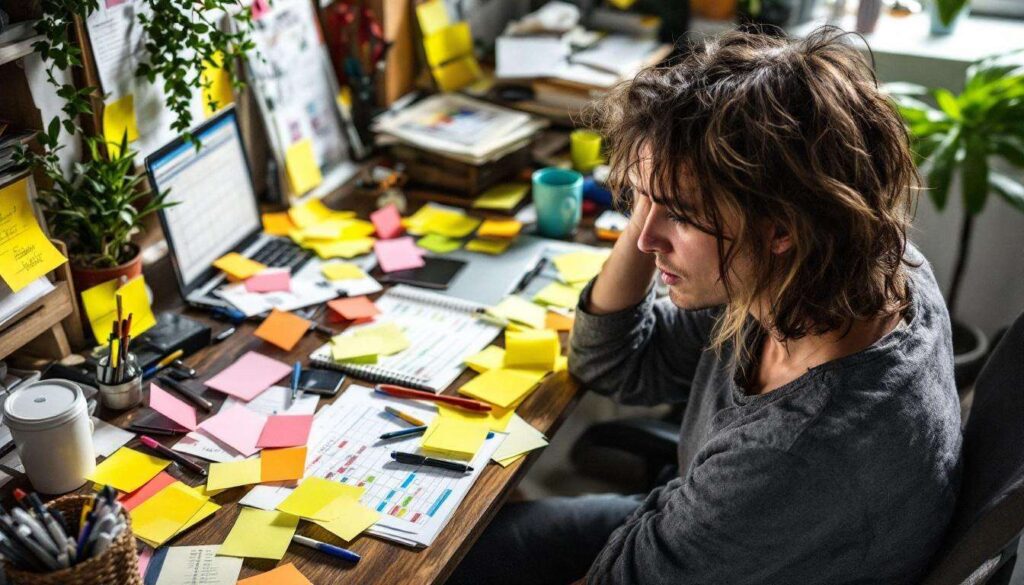
Many people invest considerable time and energy into organising their homes, workspaces, and daily routines, believing they are establishing sustainable systems. However, certain popular organising strategies that promise lasting order often fail to deliver long-term results. These approaches may create the illusion of control and efficiency initially, but they frequently collapse under the weight of daily life. Understanding which habits lead to temporary tidiness rather than permanent change can save countless hours of frustration and wasted effort.
The accumulation of storage boxes
The illusion of organisation through containers
Purchasing storage solutions has become synonymous with getting organised, yet this habit rarely addresses the underlying problem. When clutter accumulates, the instinctive response involves buying attractive baskets, bins, and boxes to contain the chaos. This approach creates a false sense of accomplishment whilst the actual issue remains unresolved beneath aesthetically pleasing containers.
The fundamental flaw lies in prioritising containment over evaluation. Storage boxes simply relocate items rather than determining whether those possessions deserve space in your life. This habit generates several predictable problems:
- Forgotten items hidden away in labelled containers
- Increased storage costs for unnecessary possessions
- Difficulty locating specific items when needed
- Continued accumulation requiring additional containers
- Visual clutter replaced by concealed clutter
The financial and spatial burden
The storage industry thrives on this ineffective organising habit, with consumers spending substantial amounts on products that perpetuate rather than solve their problems. Each new container represents both a financial investment and a commitment to maintaining items that may no longer serve any purpose. The space occupied by these storage solutions could instead accommodate belongings that genuinely enhance daily life.
Recognising the limitations of storage-based organisation naturally leads to examining another common pitfall that prevents people from achieving lasting order.
Procrastination disguised as planning
Endless preparation without execution
Creating elaborate organisational systems can become an avoidance technique that substitutes planning for actual implementation. Many individuals spend weeks researching the perfect filing system, designing colour-coded schedules, or watching tutorials about productivity methods without ever taking concrete action. This habit provides the psychological satisfaction of progress whilst maintaining the status quo.
The planning trap manifests through several recognisable behaviours:
- Purchasing multiple planners but never consistently using them
- Designing complex systems that prove too elaborate to maintain
- Constantly switching between different organisational methods
- Attending workshops without applying learned principles
- Creating detailed lists that never translate into completed tasks
The perfectionism paralysis
This procrastination often stems from perfectionist tendencies that demand flawless systems before beginning. The pursuit of the ideal method prevents engagement with imperfect but functional approaches. Real organisation requires accepting that systems evolve through use rather than emerging fully formed from extensive planning sessions.
Beyond excessive planning lies another counterproductive approach that many adopt when attempting to transform their spaces.
The all-or-nothing method
Unsustainable marathon organising sessions
The belief that organisation requires complete transformation in a single weekend creates unrealistic expectations and inevitable disappointment. This approach involves dedicating entire days to intensive decluttering and reorganising, often fuelled by motivational content or seasonal impulses. Whilst these marathon sessions produce dramatic immediate results, they rarely establish habits that persist beyond the initial enthusiasm.
Several factors undermine this strategy:
- Physical and mental exhaustion leading to poor decisions
- Inability to maintain the achieved state without ongoing effort
- Discouragement when spaces quickly return to disorder
- Lack of systematic processes for daily maintenance
- Burnout that prevents future organising attempts
The sustainable alternative
Lasting organisation develops through consistent small actions rather than sporadic intensive efforts. Dedicating fifteen minutes daily to specific tasks proves more effective than quarterly decluttering marathons. This incremental approach builds habits that naturally maintain order without requiring extraordinary time commitments or energy reserves.
Just as physical organisation can suffer from extreme approaches, digital systems present their own set of challenges that undermine long-term success.
The trap of virtual organisation
Digital tools that complicate rather than simplify
The proliferation of productivity applications and digital organisational tools promises seamless coordination of all life aspects. However, maintaining multiple platforms, syncing various devices, and learning complex software features often creates more work than the original disorganisation. The time invested in mastering these tools frequently exceeds the efficiency gains they provide.
Common pitfalls of excessive digital organisation include:
- Information scattered across numerous applications
- Subscription costs for underutilised services
- Technical issues disrupting access to important data
- Overwhelming notifications and reminders
- Constant switching between different platforms
The simplicity principle
Effective digital organisation relies on minimal, well-integrated systems rather than comprehensive tool collections. One reliable application used consistently outperforms five sophisticated platforms employed sporadically. The key involves selecting tools that genuinely address specific needs rather than accumulating every available option.
Whether physical or digital, organisational systems can fail when they attempt to accommodate unrealistic expectations about time management.
Overloaded schedules
The productivity paradox
Filling every available moment with scheduled activities creates the appearance of exceptional organisation whilst actually generating stress and inefficiency. This habit reflects the misconception that productivity requires constant activity and maximum calendar density. The resulting exhaustion and lack of flexibility ultimately undermine both organisation and wellbeing.
| Overloaded approach | Sustainable approach |
|---|---|
| Back-to-back appointments | Buffer time between commitments |
| Every hour allocated | Unscheduled time for flexibility |
| Multiple simultaneous projects | Focused attention on priorities |
| No recovery periods | Deliberate rest incorporated |
Building realistic schedules
Effective time organisation acknowledges human limitations and includes margins for unexpected events. Sustainable schedules prioritise essential commitments whilst preserving space for spontaneity, rest, and adjustment. This approach recognises that true productivity stems from focused effort rather than perpetual busyness.
Just as schedules require realistic boundaries, physical spaces need more than superficial arrangement to maintain lasting order.
Tidying without decluttering
Rearranging rather than reducing
Repeatedly organising the same possessions without eliminating unnecessary items creates a perpetual cycle of temporary tidiness followed by inevitable disorder. This habit involves constantly rearranging belongings, purchasing new organisational products, and dedicating significant time to managing an excessive volume of possessions. The fundamental issue remains unaddressed: too many items occupying available space.
This approach fails because:
- The volume of possessions exceeds practical storage capacity
- Unused items consume space needed for frequently used belongings
- Maintenance requirements become unsustainable
- Decision fatigue from managing numerous possessions
- Difficulty maintaining systems designed for excessive quantities
The decluttering foundation
Genuine organisation begins with honest evaluation of which possessions genuinely serve current needs and values. Reducing overall volume creates manageable systems that require minimal maintenance. This foundation enables sustainable organisation because fewer possessions naturally demand less time, space, and energy to maintain properly.
Effective organisation emerges not from adopting popular habits but from understanding which approaches genuinely support long-term order. The most sustainable systems share common characteristics: they accommodate realistic time constraints, address root causes rather than symptoms, and prioritise simplicity over complexity. By recognising these counterproductive habits and choosing alternative approaches, individuals can develop organisational practices that endure beyond initial enthusiasm and actually improve daily life.