


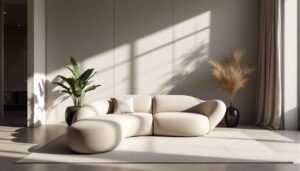
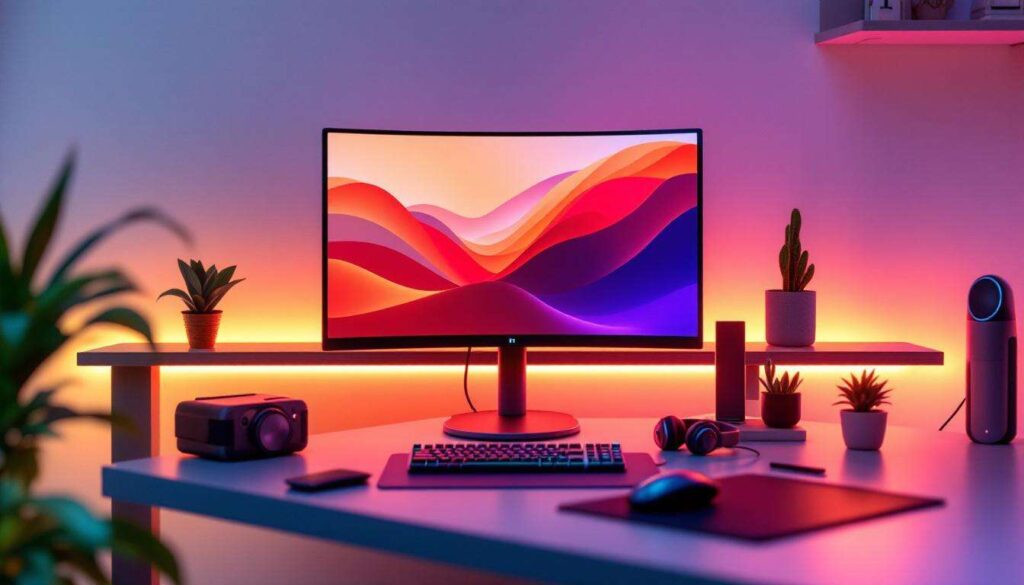
The design industry continues to evolve at a remarkable pace, with hardware innovations reshaping how professionals approach their creative work. From sustainable materials to cutting-edge technological integrations, designers are increasingly selective about the tools and equipment they incorporate into their practices. These choices reflect not only aesthetic preferences but also practical considerations around efficiency, sustainability, and client expectations. Understanding which hardware trends are gaining traction offers valuable insight into where the industry is heading and which investments deliver genuine returns for design professionals.
Durable materials, the eco-friendly choice
The shift towards sustainable hardware components
Designers are increasingly prioritising environmentally responsible materials in their hardware selections, reflecting broader societal concerns about sustainability. This movement encompasses everything from reclaimed wood and recycled metals to bio-based plastics and low-impact manufacturing processes. The appeal extends beyond environmental ethics, as clients now actively seek out designers who demonstrate commitment to sustainable practices throughout their projects.
Key materials gaining prominence include:
- Bamboo and cork for structural elements and finishes
- Recycled aluminium and steel for fixtures and fittings
- Bio-composite materials derived from agricultural waste
- Reclaimed timber from deconstructed buildings
- Low-VOC finishes and coatings
Long-term cost benefits of durable investments
Whilst sustainable materials often command higher initial prices, their longevity and durability translate into significant savings over time. Designers report that clients increasingly appreciate the value proposition of materials that require less frequent replacement and maintenance. This shift in perspective has transformed sustainability from a niche concern into a mainstream expectation within the design community.
| Material Type | Average Lifespan | Maintenance Requirements |
|---|---|---|
| Recycled metal fixtures | 15-20 years | Low |
| Bamboo components | 10-15 years | Moderate |
| Reclaimed timber | 20+ years | Low to moderate |
Beyond traditional materials, technological innovations are introducing entirely new categories of hardware that promise both environmental benefits and enhanced functionality.
The rise of 3D printers in design
Transforming prototyping and production workflows
Three-dimensional printing technology has evolved from an experimental novelty to an essential tool in many design studios. Contemporary 3D printers offer unprecedented precision and material versatility, enabling designers to create complex prototypes, custom components, and even finished products with remarkable efficiency. The technology has democratised access to rapid prototyping, allowing smaller studios to compete with larger firms in terms of innovation and customisation capabilities.
Material options and application versatility
Modern 3D printing encompasses far more than basic plastic extrusion. Designers now work with printers capable of handling:
- Metal alloys for structural components
- Ceramic materials for decorative elements
- Composite filaments combining multiple properties
- Biodegradable plastics for temporary installations
- Flexible materials for ergonomic applications
The cost-effectiveness of 3D printing becomes particularly apparent when producing small batches or one-off custom pieces. Traditional manufacturing methods often require expensive moulds and tooling, making small production runs economically unviable. Three-dimensional printing eliminates these barriers, enabling designers to offer bespoke solutions without prohibitive costs. This capability has opened new revenue streams for design practices whilst simultaneously enhancing client satisfaction through greater personalisation.
As designers embrace digital fabrication methods, they’re also reconsidering how physical spaces are illuminated and controlled.
The impact of intelligent lighting systems
Programmable environments and user control
Intelligent lighting systems represent a significant departure from traditional electrical installations, offering unprecedented control over ambience, energy consumption, and user experience. These systems integrate sensors, wireless connectivity, and sophisticated software to create responsive environments that adapt to occupancy, time of day, and specific activities. Designers appreciate how smart lighting enhances their spatial concepts whilst providing clients with tangible energy savings and improved comfort.
Integration with broader building systems
The true power of intelligent lighting emerges when these systems communicate with other building technologies. Modern installations can coordinate with:
- Heating and cooling systems for optimal energy efficiency
- Security systems for enhanced monitoring capabilities
- Audio-visual equipment for immersive experiences
- Motorised shading devices for natural light management
- Occupancy sensors for automated space utilisation
Designers report that clients particularly value the long-term flexibility these systems provide. Unlike fixed installations, intelligent lighting can be reprogrammed as needs change, extending the useful life of the investment and accommodating evolving usage patterns without physical modifications. The data generated by these systems also provides valuable insights into space utilisation, informing future design decisions and operational improvements.
Lighting represents just one aspect of how users interact with designed spaces, with touch-based controls becoming increasingly prevalent across multiple systems.
The growing importance of touch interfaces
Intuitive control in residential and commercial settings
Touch-sensitive interfaces have migrated from consumer electronics into architectural hardware, offering streamlined control of building systems without the visual clutter of traditional switches and buttons. Designers appreciate how these interfaces maintain clean aesthetic lines whilst providing sophisticated functionality. The technology has matured considerably, with modern touch panels offering haptic feedback, customisable layouts, and integration with voice control systems.
Durability and maintenance considerations
Early concerns about the longevity of touch interfaces have been largely addressed through improved materials and construction techniques. Contemporary installations feature:
- Tempered glass surfaces resistant to scratches and impacts
- Sealed electronics protecting against moisture and dust
- Antimicrobial coatings for high-traffic applications
- Replaceable modules for simplified maintenance
- Remote diagnostic capabilities for troubleshooting
| Interface Type | Typical Applications | User Satisfaction |
|---|---|---|
| Capacitive touch panels | Lighting, climate, security | High |
| Gesture-based controls | Audio-visual, presentation | Moderate to high |
| Hybrid voice-touch systems | Whole-home automation | Very high |
The investment in touch interfaces proves particularly worthwhile in projects where aesthetic coherence is paramount, as these systems can be customised to match surrounding materials and finishes. As physical interfaces become more sophisticated, designers are also exploring how digital overlays can enhance the experience of real spaces.
The integration of augmented reality technology in projects
Client presentations and design development
Augmented reality hardware has transformed how designers communicate concepts to clients, bridging the gap between technical drawings and finished spaces. Tablet computers and dedicated AR headsets allow clients to visualise proposed designs within their actual environments, dramatically improving comprehension and reducing costly misunderstandings. This technology has proven particularly valuable for complex spatial arrangements or unconventional design solutions that are difficult to convey through traditional media.
On-site coordination and installation verification
Beyond client presentations, AR technology serves practical functions during construction and installation phases. Contractors and installers use AR-enabled devices to:
- Verify precise placement of fixtures and fittings
- Identify conflicts between building systems before installation
- Access digital documentation overlaid on physical spaces
- Coordinate work among multiple trades with enhanced accuracy
- Document as-built conditions for future reference
The return on investment for AR hardware becomes evident through reduced errors, fewer change orders, and accelerated project timelines. Designers who have integrated this technology into their workflows report significant improvements in project delivery efficiency and client satisfaction. The hardware requirements remain relatively modest, with many applications running effectively on standard tablets and smartphones equipped with appropriate sensors.
As technology enables new ways of experiencing and controlling spaces, furniture design is also evolving to meet changing needs and spatial constraints.
The rise of modular furniture solutions
Flexibility for evolving spatial requirements
Modular furniture systems address the contemporary reality of changing space utilisation patterns, offering configurations that adapt as needs evolve. Designers increasingly specify these solutions for clients who anticipate growth, reorganisation, or multiple use scenarios within single spaces. The hardware components enabling modularity—including robust connectors, adjustable supports, and reconfigurable panels—have improved dramatically in both functionality and aesthetic refinement.
Quality considerations and investment value
The success of modular furniture depends heavily on the quality of its mechanical components and joinery systems. Superior hardware ensures that pieces maintain structural integrity through multiple reconfigurations whilst preserving aesthetic appeal. Key quality indicators include:
- Precision-machined connectors with minimal tolerances
- Corrosion-resistant finishes on all metal components
- Tool-free adjustment mechanisms for user convenience
- Standardised dimensions enabling cross-system compatibility
- Robust locking systems preventing unintended movement
Designers find that high-quality modular systems justify their premium pricing through extended useful life and reduced replacement costs. Clients appreciate the ability to refresh spaces through reconfiguration rather than complete replacement, aligning with both sustainability goals and budget constraints. The flexibility these systems provide has proven particularly valuable in commercial settings where spatial needs frequently change in response to organisational evolution or market conditions.
The hardware trends shaping contemporary design practice reflect a convergence of environmental consciousness, technological advancement, and practical functionality. Sustainable materials offer long-term value whilst addressing ecological concerns, and 3D printing democratises custom fabrication capabilities. Intelligent lighting and touch interfaces enhance user experience whilst improving operational efficiency, and augmented reality technology bridges communication gaps throughout the design process. Modular furniture solutions provide the adaptability required in dynamic environments. These investments represent more than mere trend-following; they deliver measurable benefits in project outcomes, client satisfaction, and practice sustainability. Designers who thoughtfully integrate these hardware innovations position themselves at the forefront of an industry increasingly defined by its ability to balance aesthetic excellence with technological sophistication and environmental responsibility.