



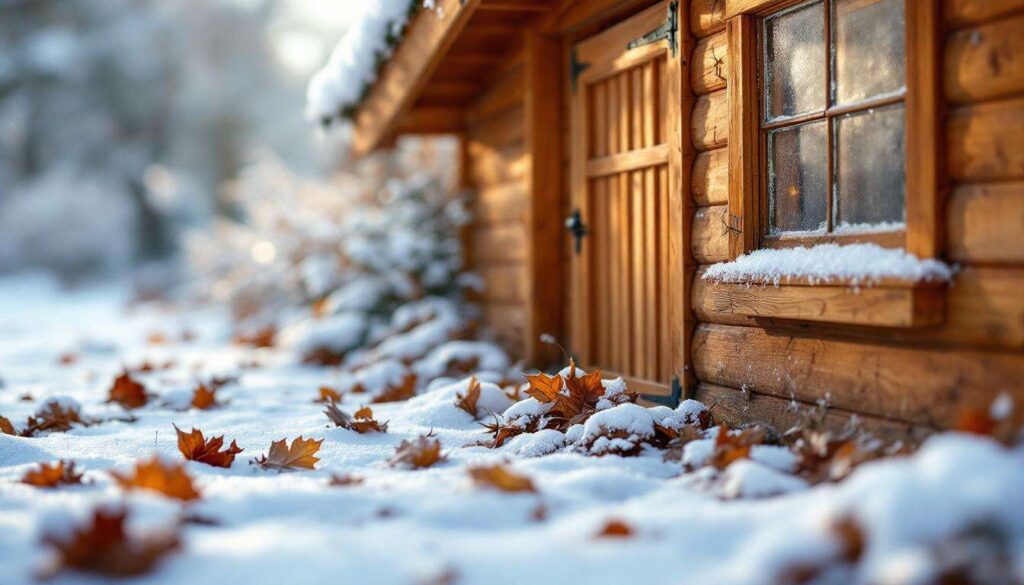
Garden sheds face their toughest challenge when winter arrives, with cold temperatures and persistent moisture creating ideal conditions for timber deterioration. Rot can transform a sturdy storage space into a crumbling liability within just a few seasons if left unchecked. Protecting your shed from winter damage requires proactive measures rather than reactive repairs, saving both money and the structural integrity of your outdoor storage. The combination of rain, condensation, and freezing temperatures accelerates wood decay, making prevention absolutely critical during the colder months.
Understanding the causes of shed rot
The science behind timber decay
Wood rot occurs when fungal spores find the perfect environment to thrive: moisture content above 20%, oxygen, and temperatures between 10°C and 40°C. During winter, sheds experience fluctuating temperatures that create condensation on interior surfaces, whilst exterior walls face relentless rain and snow. The fungi responsible for rot break down the cellular structure of timber, causing it to become soft, discoloured, and structurally compromised. Wet rot and dry rot are the two primary culprits, with wet rot being more common in outdoor structures exposed to the elements.
Common problem areas in garden sheds
Certain parts of your shed are particularly vulnerable to moisture accumulation and subsequent decay:
- Floor joists and base plates in direct contact with damp ground
- Window frames where condensation regularly forms
- Door thresholds exposed to standing water
- Roof edges and eaves where water can penetrate
- Corner joints where moisture becomes trapped
Identifying these weak points allows you to target your preventative efforts more effectively. Regular inspection of these areas throughout winter helps catch early signs of deterioration before extensive damage occurs.
Properly ventilating your shed during winter
Why ventilation matters in cold weather
Many shed owners mistakenly believe that sealing every gap protects their structure during winter, but this approach actually traps moisture inside. Proper air circulation prevents condensation from settling on walls, tools, and stored items. Without adequate ventilation, warm air from inside meets cold exterior walls, creating water droplets that soak into timber surfaces. This constant dampness provides the perfect breeding ground for rot-causing fungi.
Installing effective ventilation systems
Creating airflow doesn’t require expensive modifications. Simple adjustments can dramatically improve your shed’s ability to manage moisture:
- Fit air bricks or louvred vents on opposite walls to create cross-ventilation
- Install ridge vents along the roof peak to allow warm, moist air to escape
- Position vents low on one wall and high on the opposite to encourage natural air movement
- Ensure vents remain unblocked by stored items or external debris
- Consider solar-powered fans for larger sheds requiring active ventilation
| Shed Size | Minimum Ventilation Area | Recommended Vent Placement |
|---|---|---|
| Up to 6ft × 4ft | 300cm² | 2 opposite wall vents |
| 6ft × 8ft to 8ft × 10ft | 600cm² | 4 vents plus ridge vent |
| Over 8ft × 10ft | 900cm²+ | Multiple wall vents plus continuous ridge ventilation |
Maintaining consistent airflow throughout winter months significantly reduces the risk of moisture-related damage, but ventilation alone cannot protect timber without proper external protection.
The importance of a good exterior finish
Choosing the right protective coating
A quality exterior finish acts as your shed’s first line of defence against winter weather. Wood preservatives, stains, and paints create a barrier that repels water whilst allowing timber to breathe. Water-based treatments offer easier application and faster drying times, whilst oil-based products typically provide longer-lasting protection. Microporous finishes are particularly effective because they prevent water ingress whilst allowing moisture vapour to escape from within the timber.
Application timing and techniques
Applying protective finishes requires careful timing and method to ensure maximum effectiveness:
- Treat timber during dry autumn weather before winter arrives
- Apply at least two coats, allowing proper drying time between applications
- Pay extra attention to end grain, which absorbs moisture most readily
- Reapply treatments every two to three years depending on product specifications
- Clean surfaces thoroughly before application to ensure proper adhesion
Even the best ventilation system cannot compensate for untreated or poorly maintained exterior surfaces, making regular monitoring equally essential.
Regularly monitoring and addressing moisture
Establishing an inspection routine
Proactive monitoring helps identify problems before they escalate into costly repairs. Schedule monthly inspections throughout winter, checking both interior and exterior surfaces for signs of excess moisture. Look for discolouration, soft spots when pressing timber, musty odours, and visible fungal growth. A moisture meter provides accurate readings of timber moisture content, with levels consistently above 20% indicating a serious problem requiring immediate attention.
Quick fixes for moisture problems
When inspection reveals moisture issues, swift action prevents rot from taking hold:
- Improve drainage around the shed base by creating a slight slope away from walls
- Clear guttering and downpipes to prevent overflow onto shed surfaces
- Remove vegetation growing against exterior walls that traps moisture
- Use a dehumidifier inside the shed if condensation remains problematic
- Wipe down interior surfaces during particularly damp periods
Addressing moisture promptly works hand in hand with choosing appropriate building materials from the outset.
Selecting water-resistant materials
Pressure-treated timber advantages
Pressure-treated wood undergoes a process that forces preservatives deep into the timber structure, providing protection that surface treatments cannot match. This material resists fungal decay and insect damage far more effectively than untreated alternatives. When purchasing or upgrading a shed, specify timber treated to at least UC3 standard for above-ground outdoor use, or UC4 for components in ground contact.
Alternative material options
Modern shed construction offers materials beyond traditional timber that provide enhanced rot resistance:
| Material | Rot Resistance | Maintenance Requirements |
|---|---|---|
| Pressure-treated timber | Excellent | Periodic retreatment |
| Cedar or redwood | Very good | Annual oiling |
| Composite boards | Excellent | Minimal |
| Metal cladding | Complete immunity | Rust prevention only |
Whilst prevention remains the priority, understanding repair techniques becomes necessary when rot has already begun.
How to repair existing rot damage
Assessing the extent of damage
Before attempting repairs, determine whether the rot is superficial or structural. Probe affected areas with a screwdriver: if it penetrates easily more than 10mm, the damage requires replacement rather than treatment. Surface rot affecting only the outer few millimetres can often be treated and stabilised, but deeply compromised timber must be removed to prevent spread to healthy wood.
Step-by-step repair process
Repairing rot damage requires thorough work to ensure long-term success:
- Remove all affected timber back to solid, healthy wood using a chisel or saw
- Treat surrounding areas with fungicidal wood preservative
- Allow treated areas to dry completely before proceeding
- Fill small cavities with exterior-grade wood filler or epoxy resin
- Replace severely damaged sections with new pressure-treated timber
- Apply multiple coats of protective finish to repaired areas
- Address the underlying moisture problem that caused the original rot
Repairs prove most successful when combined with improvements to ventilation, drainage, and protective treatments that prevent recurrence.
Protecting your shed from winter rot demands a comprehensive approach combining proper ventilation, quality exterior finishes, regular monitoring, appropriate materials, and timely repairs. These interconnected strategies work together to create an environment where timber can withstand harsh winter conditions without deteriorating. By implementing these preventative measures before cold weather arrives, you ensure your garden shed remains a functional, structurally sound asset for many years rather than becoming another victim of winter decay.