



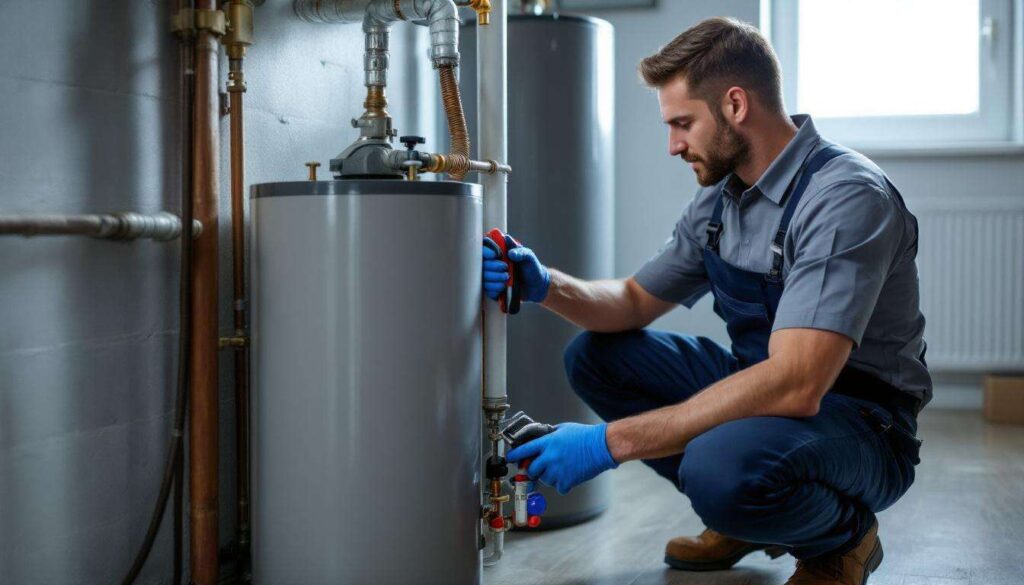
Water heaters work tirelessly behind the scenes, providing hot water for showers, washing up, and countless daily tasks. Yet many homeowners overlook a crucial maintenance task that could extend the life of their appliance and improve its efficiency. Professional plumbers consistently emphasise the importance of regular draining, but the recommended frequency often surprises property owners. Sediment build-up, mineral deposits, and debris accumulate at the bottom of the tank over time, creating problems that range from reduced heating efficiency to complete system failure. Understanding when and why to drain your water heater can save significant money on energy bills and prevent costly emergency repairs.
Why draining your water heater is essential
The sediment problem
Every time water enters your heating tank, it carries minerals and particles that gradually settle at the bottom. Calcium, magnesium, and other dissolved solids separate from the water as it heats, forming a layer of sediment that grows thicker with each passing month. This accumulation creates a barrier between the heating element and the water, forcing your system to work harder and consume more energy to achieve the same temperature.
Impact on efficiency and lifespan
The consequences of neglecting this maintenance task extend far beyond slightly higher energy bills. Sediment build-up causes several significant problems:
- Reduced heating capacity and slower recovery times
- Increased energy consumption, sometimes by 20-30%
- Accelerated corrosion of the tank interior
- Strange noises including popping, banging, or rumbling sounds
- Decreased hot water availability
- Premature tank failure requiring complete replacement
Professional plumbers report that water heaters maintained with regular draining can last 12-15 years, whilst neglected units often fail after just 6-8 years. The financial implications become clear when considering replacement costs typically range from £500 to £1,500 depending on the model and installation requirements.
Water quality considerations
Hard water areas face particularly acute challenges with sediment accumulation. Regions with high mineral content see faster build-up, making regular maintenance even more critical. Water hardness varies considerably across the UK, with some areas experiencing levels exceeding 300 parts per million of dissolved minerals.
| Water Hardness Level | PPM Range | Recommended Draining Frequency |
|---|---|---|
| Soft | 0-60 | Annually |
| Moderately Hard | 61-120 | Every 8-10 months |
| Hard | 121-180 | Every 6 months |
| Very Hard | 181+ | Every 3-4 months |
Understanding these factors helps explain why professional recommendations might seem more frequent than expected.
How often to drain a water heater
Professional recommendations
Speaking with experienced plumbers reveals a surprising truth: most homeowners should drain their water heaters far more frequently than they realise. The standard recommendation calls for draining every six months, though this baseline varies based on several factors. Many property owners assume annual maintenance suffices, but professionals consistently advocate for more frequent attention.
Factors affecting frequency
Several variables determine the optimal draining schedule for your specific situation. Household size plays a significant role, as larger families using more hot water introduce more minerals into the system. A household of five requires more frequent maintenance than a single occupant.
Water hardness remains the most influential factor. Areas with very hard water may require draining every three to four months to prevent excessive sediment accumulation. Conversely, homes with water softening systems can often extend the interval to eight or even twelve months.
Tank type and age considerations
The type and age of your water heater also influence maintenance schedules. Newer models with improved designs may handle sediment slightly better, though regular draining remains essential. Older units approaching their expected lifespan benefit from more frequent attention to maximise remaining service life.
- New water heaters (0-3 years): Every 6-12 months
- Mid-life units (4-8 years): Every 4-6 months
- Older systems (9+ years): Every 3-4 months
- Commercial or high-usage residential: Monthly inspection, quarterly draining
These guidelines ensure optimal performance throughout the appliance’s lifecycle whilst catching potential problems before they escalate.
Signs it’s time to drain your water heater
Audible warnings
Your water heater communicates problems through distinctive sounds. Popping or banging noises indicate sediment has hardened at the tank bottom, with water trapped beneath creating steam bubbles that burst violently. Rumbling sounds suggest extensive build-up requiring immediate attention. These acoustic signals should never be ignored, as they indicate your system is working under stress.
Performance indicators
Changes in hot water delivery provide clear evidence of sediment problems. Reduced water temperature, longer heating times, or depleted hot water supplies all point towards accumulated debris. If your morning shower runs cold halfway through when it previously lasted longer, sediment has likely reduced your tank’s effective capacity.
Visual and sensory clues
Several observable signs indicate immediate draining is necessary:
- Discoloured or rusty water from hot taps
- Metallic taste in hot water
- Visible sediment in water
- Foul odours from hot water taps
- Moisture or leaking around the tank base
Any combination of these symptoms warrants prompt action to prevent further damage or complete system failure.
Common mistakes to avoid when draining
Rushing the process
Many homeowners approach draining as a quick task, but proper execution requires patience and attention. Failing to turn off the power supply before draining creates serious safety risks. Electric water heaters must be switched off at the circuit breaker, whilst gas units require the thermostat to be set to pilot mode. Heating elements running without water coverage can burn out within minutes.
Inadequate preparation
Attempting to drain without proper equipment leads to frustration and incomplete results. Essential items include a garden hose, bucket, and appropriate drainage location. Many people underestimate the water volume, with standard residential tanks holding 150-300 litres. Draining onto unsuitable surfaces causes water damage and potential flooding.
Incomplete flushing
Simply opening the drain valve and letting water flow out removes only loose sediment. Effective draining requires:
- Opening a hot water tap to allow air entry
- Flushing multiple times until water runs clear
- Stirring up settled sediment by briefly opening the cold water inlet
- Checking the drain valve for blockages
- Allowing sufficient time for complete drainage
Shortcuts compromise the entire process, leaving significant sediment behind and negating the maintenance benefits.
Why a plumber’s advice is helpful
Professional expertise and experience
Qualified plumbers bring years of hands-on experience with various water heater models and conditions. They recognise subtle warning signs that homeowners might miss and understand how different factors interact to affect system performance. Professional assessment provides personalised recommendations based on your specific circumstances rather than generic guidelines.
Proper tools and techniques
Plumbers possess specialised equipment that makes draining more thorough and efficient. They can address complications like stuck drain valves, excessive sediment requiring power flushing, or underlying issues discovered during maintenance. Their expertise prevents common mistakes that can damage the system or create safety hazards.
Comprehensive system evaluation
Professional service extends beyond simple draining. Plumbers inspect the entire system, checking the anode rod, testing the pressure relief valve, examining connections for leaks, and assessing overall condition. This comprehensive approach identifies potential problems before they cause failures, ultimately saving money through preventive maintenance rather than emergency repairs.
Regular professional maintenance establishes a service history that proves valuable when warranty claims arise or when deciding between repair and replacement. Documented care demonstrates responsible ownership and often influences insurance considerations following water damage incidents.
Water heater maintenance deserves more attention than most homeowners currently provide. Regular draining every three to six months, depending on water hardness and usage patterns, prevents sediment accumulation that reduces efficiency and shortens appliance lifespan. Recognising warning signs like unusual noises, reduced performance, or discoloured water enables timely intervention before minor issues become major problems. Avoiding common mistakes during the draining process ensures effective results whilst protecting your investment. Professional plumbers offer invaluable expertise, proper tools, and comprehensive system evaluation that maximises your water heater’s performance and longevity. Taking these maintenance steps seriously translates directly into lower energy bills, fewer repairs, and extended equipment life.