



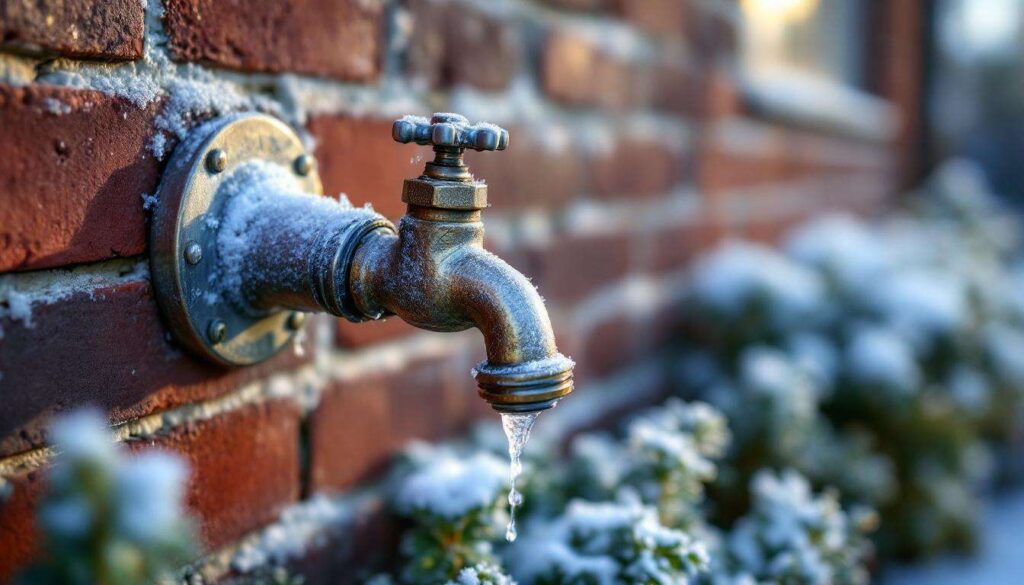
As temperatures plummet and frost begins to settle across the UK, homeowners face a critical question regarding their plumbing infrastructure. Outdoor faucets, often overlooked during seasonal preparations, represent a vulnerable point in domestic water systems. When water freezes inside pipes and taps, it expands with considerable force, potentially causing catastrophic damage that results in expensive repairs and significant inconvenience. Understanding whether protection is necessary and how to implement it effectively can save considerable expense and prevent emergency situations during the coldest months.
Why protect your outdoor faucets in winter
The science behind freezing pipes
Water possesses a unique property that makes it particularly dangerous to plumbing systems. Unlike most substances, water expands by approximately nine per cent when it freezes. This expansion creates immense pressure within confined spaces such as pipes and faucet housings. The force generated can exceed what standard copper or plastic piping can withstand, leading to splits, cracks, and complete ruptures. Outdoor faucets are especially vulnerable because they are directly exposed to ambient temperatures without the insulation provided by interior walls.
Financial implications of frozen taps
The cost of repairing frozen pipe damage extends far beyond the immediate plumbing work. Homeowners may face:
- Emergency plumber callout fees ranging from £80 to £150
- Pipe replacement costs between £200 and £600 depending on accessibility
- Water damage restoration if leaks occur inside walls
- Increased insurance premiums following claims
- Temporary loss of water supply during repairs
These expenses make preventative measures remarkably cost-effective by comparison. A simple faucet cover typically costs between £5 and £15, representing significant value when weighed against potential repair bills.
Regional considerations across the UK
Whilst all UK regions experience winter temperatures, the severity varies considerably. Scotland and northern England regularly see prolonged periods below freezing, making protection essential. Southern regions, though milder, still experience cold snaps that can catch unprepared homeowners off guard. Even brief exposure to sub-zero temperatures can cause damage, particularly during overnight frosts.
Understanding these risks naturally leads to examining what happens when protective measures are neglected.
Consequences of an unprotected outdoor faucet
Immediate damage scenarios
When an outdoor faucet freezes without protection, several problems can develop rapidly. The tap itself may crack, rendering it unusable even after thawing. More seriously, freezing can extend into the pipe behind the faucet, causing internal damage that remains hidden until water is restored. This hidden damage often manifests as leaks within walls or foundations, creating moisture problems that promote mould growth and structural deterioration.
Long-term structural concerns
Repeated freeze-thaw cycles, even without catastrophic failure, gradually weaken plumbing components. Metal faucets develop microscopic cracks that expand over time. Seals and washers become brittle and lose their effectiveness. This cumulative damage shortens the lifespan of outdoor plumbing significantly, necessitating premature replacement.
| Component | Normal lifespan | With freeze damage |
|---|---|---|
| Brass outdoor tap | 15-20 years | 5-8 years |
| Copper supply pipe | 50+ years | 10-15 years |
| Rubber washers | 3-5 years | 1-2 years |
Water wastage and environmental impact
Damaged faucets often develop slow leaks that persist unnoticed. A dripping outdoor tap can waste up to 20 litres of water daily, translating to approximately 7,300 litres annually. Beyond the financial cost on water bills, this represents a significant environmental concern, particularly during periods of drought or water restrictions.
With these consequences clearly established, attention turns to practical protection methods.
Methods for effectively covering your outdoor faucets
Purpose-built faucet covers
Commercial faucet covers represent the most straightforward solution. These insulated devices typically feature polystyrene or foam construction with weatherproof outer shells. Installation involves simply placing the cover over the faucet and securing it with an attached strap or drawstring. Quality covers provide thermal protection down to -20°C, sufficient for even the harshest UK winters.
DIY insulation techniques
Budget-conscious homeowners can create effective protection using readily available materials:
- Wrap the faucet in old towels or rags, securing with waterproof tape
- Place a plastic bag over the insulation to prevent moisture penetration
- Use pipe insulation foam cut to fit around the tap body
- Employ bubble wrap for additional thermal protection
- Secure all materials firmly to prevent wind displacement
Whilst less aesthetically pleasing than commercial products, these methods provide adequate protection when properly implemented.
Installation timing and technique
Protection should be installed before the first forecast frost, typically in late October or early November across most of the UK. Before covering, ensure the faucet is completely closed and, if possible, drain any residual water by opening the tap briefly after shutting off the interior supply valve. This prevents any water from remaining in the faucet body where it could freeze despite external insulation.
Beyond simple covering, other protective strategies merit consideration.
Alternatives to protecting outdoor faucets
Frost-free outdoor taps
Modern frost-free faucets incorporate an extended valve stem that places the actual shut-off point inside the heated building envelope. When closed, water drains automatically from the external portion, eliminating freeze risk. These taps cost between £30 and £80 but provide permanent protection without seasonal maintenance requirements.
Complete system winterisation
For properties left unoccupied during winter or in extreme climates, comprehensive winterisation offers maximum protection. This process involves:
- Shutting off water supply to all outdoor faucets at interior isolation valves
- Opening outdoor taps to drain remaining water
- Using compressed air to blow out residual moisture from pipes
- Adding non-toxic antifreeze to any traps or low points
This approach requires more effort but provides absolute protection against freeze damage.
Heated tape solutions
Electric heating tape wrapped around exposed pipes and faucets maintains temperatures above freezing. Whilst effective, this method incurs ongoing electricity costs and requires weatherproof electrical connections. It suits situations where other methods prove impractical, such as commercial properties with multiple outdoor water points.
Professional insights can further refine these protective approaches.
Expert tips for winter maintenance of outdoor faucets
Pre-winter inspection protocols
Plumbing professionals recommend thorough autumn inspections before implementing protection. Check for existing leaks, worn washers, or loose connections that could worsen under freeze stress. Addressing minor issues before winter prevents them from becoming major problems when temperatures drop.
Regular monitoring throughout winter
Even with protection in place, periodic checks ensure continued effectiveness. After severe weather events, verify that covers remain securely attached and undamaged. Look for ice formation around the faucet base, which may indicate inadequate protection or hidden leaks requiring attention.
Emergency response procedures
If a freeze does occur despite precautions, proper response minimises damage. Never use open flames or excessive heat to thaw frozen faucets. Instead, apply gentle warmth using a hairdryer or warm towels. Keep the faucet open during thawing to allow expanding ice to escape rather than rupturing pipes.
Understanding when to reverse these protective measures completes the seasonal cycle.
When to remove faucet protection after winter
Timing considerations for spring
Protection should remain in place until all risk of frost has passed, typically mid-April in southern regions and early May in Scotland. Monitor long-range weather forecasts rather than relying solely on calendar dates, as late spring frosts can catch homeowners unprepared.
Post-removal inspection
Upon removing winter protection, inspect faucets carefully for any damage sustained during cold months. Turn on water slowly, watching for leaks or unusual behaviour. Test the smooth operation of handles and verify proper shut-off. This inspection identifies problems early when repairs are simpler and less costly.
Storage and preparation for next winter
Clean and dry faucet covers before storing them in a protected location. Label storage containers clearly to facilitate quick retrieval when autumn arrives. Consider noting the removal date to establish a reliable schedule for future years.
Protecting outdoor faucets during winter represents a small investment of time and money that yields substantial returns through prevented damage and extended equipment lifespan. Whether using commercial covers, DIY methods, or permanent frost-free installations, the key lies in implementing protection before temperatures drop and maintaining vigilance throughout the cold season. Regular inspections, proper installation techniques, and timely removal in spring ensure outdoor plumbing systems remain functional and damage-free year after year, avoiding the considerable expense and inconvenience of frozen pipe emergencies.