



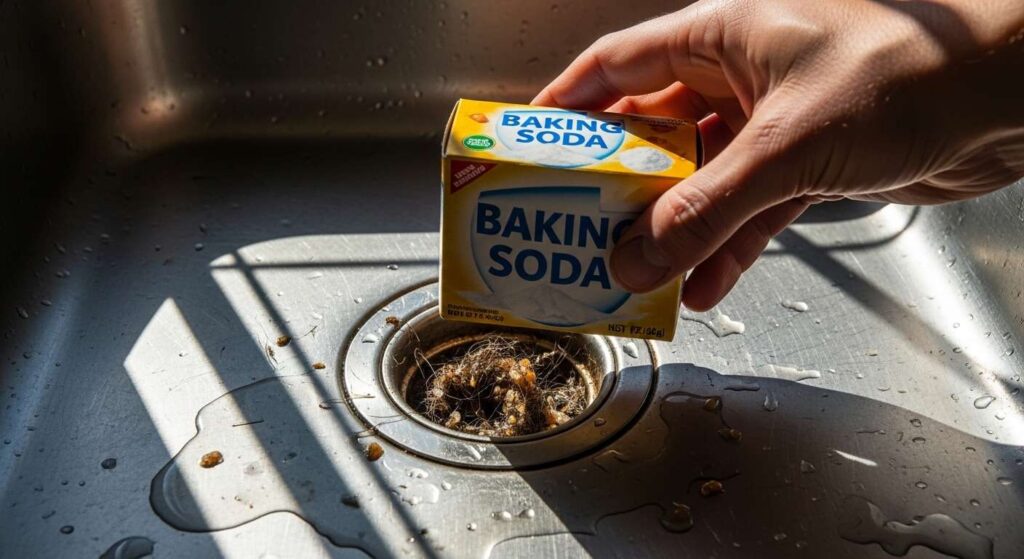
Blocked drains are one of the most common household nuisances, causing slow water drainage, unpleasant odours, and potential damage to plumbing systems. Before reaching for harsh chemical cleaners or calling a plumber, many homeowners wonder whether a simple kitchen staple could solve the problem. Baking soda has long been praised as a natural cleaning agent, but can it truly tackle stubborn drain blockages ? Understanding how this household ingredient works and when it proves effective can save both money and the environment whilst maintaining your home’s plumbing.
What Is Baking Soda ?
Chemical composition and properties
Baking soda, scientifically known as sodium bicarbonate, is a white crystalline powder with the chemical formula NaHCO₃. This alkaline compound occurs naturally in mineral deposits and can also be manufactured synthetically. Its mild abrasive properties and ability to neutralise acids make it invaluable for cleaning applications throughout the home.
Common household uses
Beyond its culinary applications in baking, sodium bicarbonate serves numerous purposes around the house:
- Deodorising refrigerators, carpets, and upholstery
- Scrubbing surfaces without scratching
- Neutralising acidic odours
- Softening water for laundry
- Cleaning kitchen and bathroom fixtures
Its versatility and safety profile have made baking soda a staple in environmentally conscious households seeking alternatives to commercial cleaning products. This foundation of understanding helps explain why it has become a popular choice for drain maintenance.
Why Choose Baking Soda To Unclog A Drain ?
Environmental and health benefits
Unlike commercial drain cleaners containing caustic chemicals, baking soda poses minimal risk to both human health and the environment. It produces no toxic fumes, won’t burn skin upon contact, and breaks down harmlessly in water systems. For households with children, pets, or individuals with chemical sensitivities, this non-toxic alternative provides peace of mind whilst addressing drainage issues.
Cost-effectiveness
A box of baking soda typically costs a fraction of commercial drain cleaners, making it an economical solution for regular maintenance. Many households already keep it in their pantries, eliminating the need for special purchases or trips to the shop.
Gentle on plumbing systems
Chemical drain cleaners can corrode pipes over time, particularly older metal plumbing or delicate plastic components. Baking soda’s gentle nature means it won’t damage pipes, septic systems, or fixtures, making it suitable for regular preventative maintenance without fear of accelerating wear and tear.
Understanding these advantages naturally leads to questions about the actual mechanism by which this humble powder tackles blockages.
How Does Baking Soda Work To Unclog ?
The chemical reaction with vinegar
When baking soda combines with vinegar, a vigorous chemical reaction occurs, producing carbon dioxide gas, water, and sodium acetate. This fizzing action creates pressure and movement within the pipe, helping to dislodge accumulated debris, soap scum, and organic matter clinging to pipe walls.
Mechanical action and breakdown of materials
The effervescence generated during the reaction provides a scrubbing effect that loosens buildup. Additionally, the alkaline nature of baking soda helps break down fatty acids and grease, converting them into soap-like substances that rinse away more easily with hot water.
Limitations of the method
Whilst effective for minor blockages and organic material, baking soda cannot dissolve:
- Solid objects lodged in pipes
- Hair clumps tightly compacted
- Mineral deposits from hard water
- Tree roots penetrating sewer lines
Recognising these capabilities and limitations helps set realistic expectations before attempting the procedure.
Steps To Unclog A Drain With Baking Soda
Preparation and materials needed
Before beginning, gather these items:
- One cup of baking soda
- One cup of white vinegar
- Boiling water (approximately two litres)
- A drain plug or cloth
- Protective gloves (optional)
The detailed process
Step one: Remove any visible debris from the drain opening, including hair, food particles, or soap residue. This ensures the baking soda can reach deeper into the pipe.
Step two: Pour one cup of baking soda directly into the drain. Use a spoon or funnel if necessary to ensure it goes down rather than sitting on the surface.
Step three: Follow immediately with one cup of white vinegar. You’ll hear fizzing as the reaction begins. Quickly cover the drain with a plug or cloth to direct the reaction downward into the pipe rather than allowing it to escape upward.
Step four: Allow the mixture to work for 30 minutes to one hour. During this time, the chemical reaction loosens debris and breaks down organic matter.
Step five: Remove the cover and flush the drain with boiling water. Pour slowly at first, then increase flow to wash away dislodged material.
When to repeat the process
For stubborn blockages, repeat the procedure two or three times. If no improvement occurs after multiple attempts, the blockage likely requires professional attention or mechanical removal.
Evaluating whether this method suits your particular situation requires weighing its strengths against potential drawbacks.
Advantages And Disadvantages Of This Method
Key benefits
| Advantage | Description |
|---|---|
| Safety | No toxic fumes or skin hazards |
| Cost | Minimal expense compared to commercial products |
| Availability | Common household items |
| Environmental impact | Biodegradable and non-polluting |
Notable limitations
The method proves less effective for severe blockages or those caused by non-organic materials. It requires more time than chemical cleaners and may need multiple applications. Additionally, the reaction works best in smaller diameter pipes and may not generate sufficient pressure in larger drainage systems.
Best scenarios for use
This technique works optimally for:
- Regular preventative maintenance
- Minor slow-draining issues
- Organic buildup from soap and food
- Bathroom sink and shower drains
When baking soda doesn’t provide the desired results, several other options exist for tackling drainage problems.
Alternatives To Baking Soda To Unclog A Drain
Mechanical methods
A plunger creates pressure changes that can dislodge blockages through suction and force. For more stubborn clogs, a drain snake or auger physically breaks up or retrieves obstructions. These tools require no chemicals and work on various blockage types.
Natural enzymatic cleaners
Biological drain cleaners containing enzymes and bacteria digest organic matter over time. Though slower than chemical alternatives, they’re safe for pipes and septic systems whilst being more effective than baking soda on protein-based clogs like hair.
Commercial chemical cleaners
Products containing sodium hydroxide or sulphuric acid dissolve blockages quickly but carry risks including pipe damage, environmental harm, and health hazards. Reserve these for severe situations where other methods have failed.
Professional plumbing services
Persistent or recurring blockages may indicate deeper issues requiring professional diagnosis. Plumbers employ specialised equipment like hydro-jetting and camera inspections to identify and resolve complex drainage problems.
Baking soda offers a practical, safe, and economical first-line approach to minor drain blockages, particularly when combined with vinegar to create a fizzing reaction that loosens organic debris. Whilst it cannot match the power of mechanical tools or harsh chemicals for severe clogs, its gentle nature makes it ideal for regular maintenance and minor slowdowns. The method works best on organic buildup in smaller pipes and poses no risk to plumbing systems or household members. For homeowners seeking environmentally responsible solutions, baking soda represents a sensible starting point before escalating to more aggressive interventions. Success depends largely on the blockage type and severity, making it essential to recognise when professional assistance becomes necessary.