



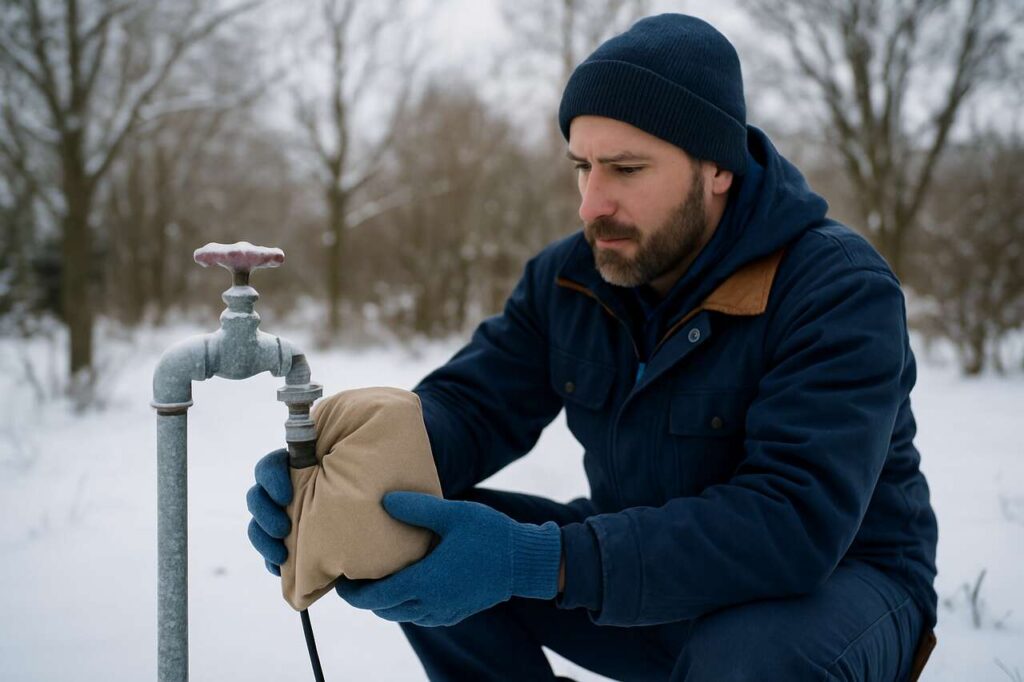
When temperatures plummet and frost threatens to settle across the country, professional plumbers follow a crucial routine that homeowners often overlook. Outdoor faucets and exposed pipes become vulnerable points in any property’s plumbing system during cold spells, and the consequences of neglecting them can prove costly. Burst pipes, water damage, and expensive emergency repairs are just some of the problems that arise when water freezes inside outdoor taps. Understanding what plumbers do to prevent these issues can save property owners from significant financial strain and disruption. The single most important action involves thoroughly draining and winterising outdoor faucets before freezing temperatures arrive, a process that requires specific knowledge and careful execution.
Protection against freezing: a major issue for outdoor faucets
Outdoor faucets represent one of the most vulnerable components of residential plumbing systems during winter months. Unlike indoor pipes that benefit from central heating and insulation, external taps face direct exposure to harsh weather conditions. Professional plumbers recognise that prevention costs far less than repair, which is why they prioritise winterisation procedures for all outdoor water fixtures.
The financial impact of freeze damage
The cost implications of frozen outdoor faucets extend well beyond simple inconvenience. When water freezes inside pipes, it expands by approximately nine per cent, creating immense pressure that can crack copper, split plastic, and rupture connections. Repair bills frequently range from several hundred to several thousand pounds, depending on the extent of damage and accessibility of affected pipes. Insurance claims related to freeze damage have increased substantially in recent years, with many policies excluding coverage for preventable maintenance issues.
| Type of damage | Average repair cost | Time to repair |
|---|---|---|
| Cracked outdoor faucet | £150-£300 | 2-4 hours |
| Burst supply pipe | £400-£800 | 4-8 hours |
| Water damage to property | £1,000-£5,000+ | Several days |
These figures demonstrate why plumbers emphasise preventive measures rather than reactive repairs. The relatively simple task of winterising outdoor faucets becomes an essential investment in property maintenance.
Why does freezing pose a problem for outdoor faucets ?
Understanding the science behind freeze damage helps explain why plumbers take such meticulous care with outdoor faucets. Water behaves differently from most substances when it freezes, and this unique characteristic creates specific challenges for plumbing systems.
The physics of water expansion
As temperatures drop below zero degrees Celsius, water molecules slow down and arrange themselves into crystalline structures. This process causes expansion, and because water is incompressible, the force generated can exceed the structural integrity of metal and plastic pipes. The pressure can reach several thousand pounds per square inch, easily overwhelming standard plumbing materials. Even a small amount of trapped water can cause significant damage when it freezes.
Vulnerable points in outdoor plumbing
Plumbers identify several critical areas where freezing typically occurs:
- The faucet body itself, particularly older designs without frost-proof features
- Supply pipes running through unheated spaces or exterior walls
- Connection points where pipes join faucets or valves
- Horizontal pipe sections where water naturally collects
- Areas where insulation has deteriorated or been removed
Each of these points requires specific attention during winterisation procedures. Professional plumbers systematically address every vulnerable area to ensure comprehensive protection.
Essential steps to protect your outdoor faucets
The process that plumbers follow involves several carefully sequenced actions, each designed to eliminate water from the system and prevent freeze damage. The single most important step involves shutting off the water supply and draining all remaining water from outdoor faucets and connected pipes.
Locating and closing interior shut-off valves
Every outdoor faucet should have a dedicated shut-off valve located inside the property, typically in basements, utility rooms, or crawl spaces. Plumbers locate these valves and turn them clockwise until fully closed, cutting off water supply to exterior taps. This isolation prevents new water from entering pipes that will be exposed to freezing temperatures. Many homeowners overlook this crucial first step, leaving their outdoor faucets vulnerable despite other protective measures.
Opening outdoor faucets to drain residual water
After closing interior valves, plumbers open outdoor faucets completely, allowing gravity to drain any remaining water. This process may take several minutes, and plumbers often leave faucets open throughout winter to accommodate any residual drainage and prevent pressure build-up. Some systems include dedicated drain plugs or bleeder valves that plumbers open to ensure complete water removal from horizontal pipe sections.
Removing hoses and attachments
Connected garden hoses trap water and prevent proper drainage, creating freeze risks. Plumbers always disconnect and store all hoses, sprinkler attachments, and other accessories before winter arrives. They also inspect connection points for wear or damage that might cause leaks when the system is reactivated.
These fundamental steps form the foundation of freeze protection, but additional tools and techniques enhance their effectiveness.
Essential tools to prepare a faucet before a freeze
Professional plumbers rely on specific equipment to ensure thorough winterisation of outdoor faucets. Having the right tools makes the process more efficient and effective, reducing the likelihood of oversight or incomplete drainage.
Basic winterisation toolkit
- Adjustable wrenches for valve operation and hose removal
- Pipe insulation sleeves for exposed sections
- Foam faucet covers for additional protection
- Compressed air equipment for blowing out remaining water
- Inspection torches for examining dark crawl spaces
- Labelling materials to mark shut-off valves
Advanced protection methods
For particularly vulnerable installations, plumbers employ additional protective measures. Heat tape provides electrical warming for pipes in extremely exposed locations, though it requires proper installation and monitoring. Insulated valve boxes protect outdoor shut-off points, whilst thermostatically controlled heating cables activate automatically when temperatures drop dangerously low.
Proper drainage remains the most critical factor, but these tools enhance overall protection.
The importance of draining water pipes
Whilst many protective measures help, nothing replaces the fundamental importance of complete water removal from outdoor plumbing systems. Plumbers understand that even small amounts of trapped water can cause significant damage when temperatures drop.
Techniques for thorough drainage
Professional plumbers use compressed air to blow residual water from pipes after initial gravity drainage. This technique proves particularly effective for horizontal pipe runs and sections with slight upward slopes that prevent complete natural drainage. The process involves connecting an air compressor to the system and gradually introducing air pressure whilst monitoring outdoor faucets for water expulsion.
Verifying complete drainage
Experienced plumbers verify drainage by checking multiple points. They inspect drain valves for continued water flow, examine outdoor faucets for dripping, and sometimes use moisture detection equipment to confirm pipes are dry. This thoroughness distinguishes professional winterisation from amateur attempts.
Beyond these core procedures, several supplementary strategies provide additional protection.
Additional tips to avoid freeze damage
Professional plumbers recommend several complementary practices that enhance freeze protection for outdoor faucets and plumbing systems.
Upgrading to frost-proof faucets
Modern frost-proof faucets feature extended valve stems that shut off water supply deep inside the property where temperatures remain above freezing. These designs significantly reduce freeze risks and represent worthwhile investments for properties in cold climates. Plumbers typically recommend replacement during routine maintenance rather than waiting for emergency situations.
Maintaining proper insulation
Regular inspection of pipe insulation helps identify deterioration before problems occur. Plumbers check that foam sleeves remain intact, that fibreglass wrapping hasn’t compressed, and that protective coverings haven’t been damaged by pests or weather. They also verify that crawl space vents close properly during winter months.
Monitoring weather forecasts
Vigilant property owners check weather predictions and take additional precautions when severe cold threatens. Allowing indoor faucets to drip slightly during extreme cold spells keeps water moving through supply lines, reducing freeze risks for the entire system.
Protecting outdoor faucets from freezing requires systematic attention to detail and proper execution of proven techniques. The primary action that professional plumbers always take involves shutting off water supply, opening outdoor taps, and ensuring complete drainage of all water from exposed pipes. This fundamental procedure, combined with appropriate tools, insulation, and supplementary protective measures, prevents the costly damage that frozen outdoor faucets can inflict on properties. Regular maintenance, timely winterisation, and consideration of system upgrades provide long-term protection and peace of mind throughout cold weather seasons.