


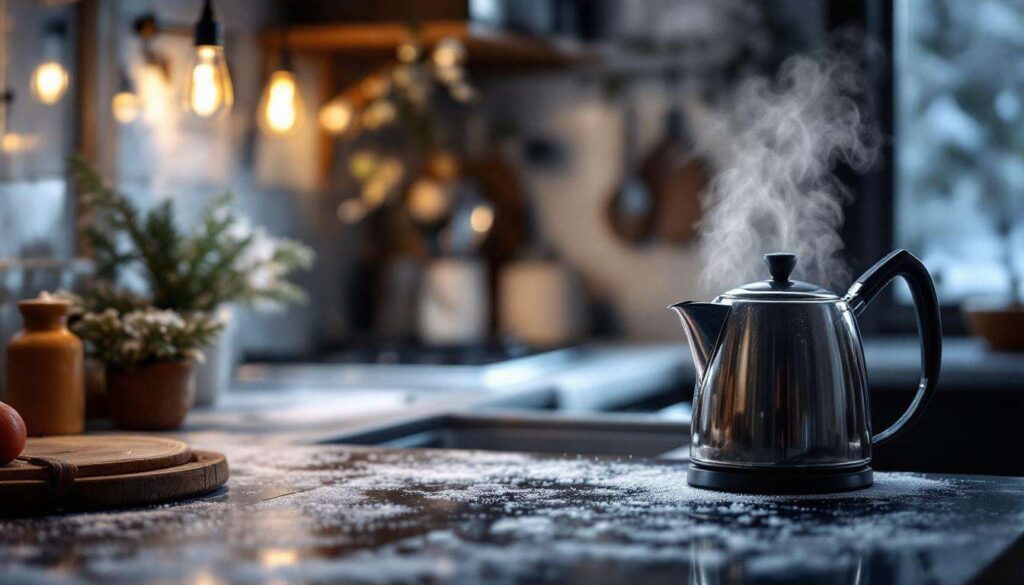
When temperatures drop and winter takes hold, many households face the common problem of blocked drains. The instinctive reaction is often to reach for the kettle and pour boiling water down the plughole, believing this will clear the obstruction quickly and efficiently. However, plumbing experts are now issuing urgent warnings that this seemingly harmless practice could cause significant damage to domestic drainage systems, particularly during the coldest months. Understanding the potential consequences of using boiling water on drains is essential for homeowners seeking to avoid costly repairs and maintain their plumbing infrastructure throughout the winter season.
The risks of pouring boiling water down drains
Thermal shock to piping materials
The sudden introduction of boiling water into cold drainage systems creates a phenomenon known as thermal shock. This rapid temperature change can cause pipes to expand and contract violently, leading to cracks, splits, or complete ruptures. The problem is particularly acute with certain materials commonly found in household plumbing systems.
- PVC pipes can warp or soften when exposed to temperatures above 80°C
- Older metal pipes may develop stress fractures at joints and bends
- Plastic fittings and seals can degrade or melt entirely
- Composite materials may separate at bonding points
Damage to drainage joints and seals
Beyond the pipes themselves, the connections between different sections of drainage systems are particularly vulnerable to damage from boiling water. These joints typically contain rubber washers, silicone sealants, or adhesive compounds that deteriorate rapidly when subjected to extreme heat. Once these seals fail, leaks can develop that may go unnoticed until significant water damage has occurred to surrounding structures.
| Material | Safe Temperature | Boiling Water Temperature | Risk Level |
|---|---|---|---|
| PVC | 60°C | 100°C | High |
| Copper | No limit | 100°C | Low |
| Rubber seals | 70°C | 100°C | Very high |
The financial implications of such damage extend far beyond the immediate repair costs, as water leaks can compromise structural elements and create conditions for mould growth.
Impact on pipes in winter
Increased vulnerability during cold weather
Winter conditions amplify the risks associated with pouring boiling water down drains. When outdoor temperatures plummet, pipes become significantly more brittle and susceptible to cracking. The contrast between freezing external conditions and boiling water creates an even more dramatic thermal shock than would occur during warmer months.
Frozen pipe complications
If sections of your drainage system have already begun to freeze, introducing boiling water can trigger catastrophic failures. The expansion of ice within pipes means there is less room for the metal or plastic to expand when heated, creating immense pressure that can burst pipes instantly.
- Ice blockages prevent water from flowing freely, causing pressure build-up
- Rapid heating can cause steam formation in confined spaces
- Frozen joints become rigid and cannot accommodate thermal expansion
- Underground pipes are particularly at risk due to delayed heat dissipation
Understanding these winter-specific challenges helps homeowners appreciate why alternative methods are essential during the coldest months.
Environmental hazards
Chemical reactions with drain products
Many households use chemical drain cleaners regularly, and these products can create dangerous reactions when combined with boiling water. The heat can cause chemicals to vaporise rapidly, releasing toxic fumes into the home environment. Additionally, the combination may create splashback that can cause severe burns or eye injuries.
Ecosystem impact of damaged drainage
When drainage systems fail due to thermal damage, the environmental consequences extend beyond the household. Leaking pipes can contaminate groundwater, whilst emergency repairs often require excavation that disturbs local ecosystems and wildlife habitats.
| Environmental Impact | Severity | Duration |
|---|---|---|
| Groundwater contamination | High | Long-term |
| Soil disruption | Medium | Medium-term |
| Chemical runoff | High | Variable |
These broader implications demonstrate why proper drain maintenance matters beyond individual property concerns.
Alternatives for unclogging drains
Mechanical methods
Professional plumbers recommend mechanical solutions as the safest approach to clearing blocked drains. These methods physically remove obstructions without exposing pipes to thermal stress or chemical damage.
- Plungers create pressure differentials that dislodge blockages
- Drain snakes reach deep into pipes to break up or retrieve debris
- Wet and dry vacuums can extract standing water and loose materials
- Professional hydro-jetting uses controlled water pressure
Natural cleaning solutions
For less severe blockages, natural remedies offer effective alternatives. A mixture of bicarbonate of soda and vinegar creates a fizzing action that can break down organic matter without harming pipes. This solution works at ambient temperature, eliminating thermal shock risks whilst remaining environmentally friendly.
Exploring these safer options ensures drain problems are resolved without creating additional complications.
Tips for maintaining your drains
Preventative measures
Regular maintenance prevents most drainage problems from developing in the first place. Installing drain guards and strainers catches hair, food particles, and other debris before they enter the system. Weekly flushing with warm (not boiling) water helps keep pipes clear without causing damage.
Seasonal preparations
Winter-specific preparations can protect drainage systems during the coldest months. Insulating exposed pipes prevents freezing, whilst ensuring adequate heating in areas containing plumbing maintains safe operating temperatures.
- Check outdoor drains before winter arrives
- Clear gutters to prevent overflow and ice formation
- Maintain consistent indoor temperatures
- Know the location of your stopcock for emergencies
These proactive steps reduce the likelihood of encountering drainage emergencies during winter.
Household incident testimonies
Real-world consequences
Plumbers across the country report a significant increase in emergency callouts during winter months related to thermal damage from boiling water. One homeowner in Manchester discovered their entire kitchen drainage system needed replacement after repeatedly pouring kettles of boiling water down the sink, resulting in repair costs exceeding £2,000.
Professional insights
Drainage specialists emphasise that the majority of winter plumbing emergencies are preventable. Insurance claims data reveals that thermal damage to pipes represents one of the most common yet avoidable household incidents, with many policies excluding coverage for damage resulting from improper maintenance practices.
Protecting your home’s drainage system requires awareness of proper practices and commitment to preventative maintenance. The risks associated with pouring boiling water down drains, particularly during winter, far outweigh any perceived convenience. By adopting mechanical cleaning methods, using natural solutions, and implementing regular maintenance routines, households can avoid costly repairs whilst preserving their plumbing infrastructure. The testimonies from affected homeowners serve as powerful reminders that simple precautions prevent significant problems. Taking these warnings seriously ensures your drainage system remains functional throughout the coldest months, protecting both your property and your finances from unnecessary damage.