



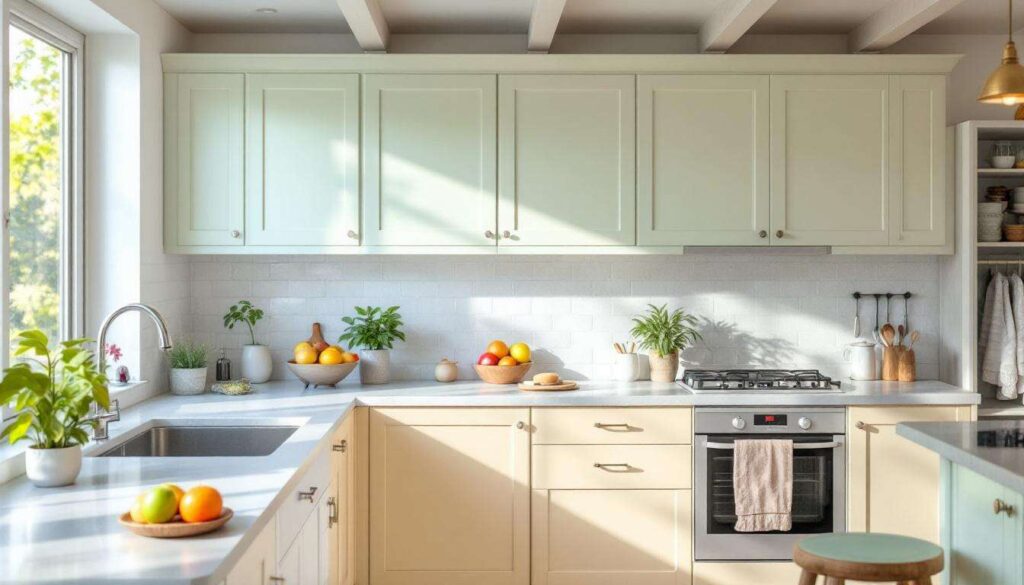
Transforming a tired kitchen doesn’t always require a complete renovation. One homeowner discovered that painting existing cabinets saved thousands of pounds whilst delivering impressive results. However, the journey wasn’t without its challenges. Reflecting on the experience, three key lessons emerged that would have made the process smoother and the outcome even better.
Painting kitchen cabinets: an economical solution
The financial advantages of cabinet painting
Replacing kitchen cabinets represents one of the most expensive elements of a renovation project. New bespoke units can cost between £5,000 and £15,000, depending on the size of the kitchen and quality of materials. In contrast, painting existing cabinets typically requires an investment of just £200 to £500 for materials, making it an exceptionally cost-effective alternative.
The savings extend beyond the cabinets themselves. A full kitchen replacement involves:
- Removal and disposal of existing units
- Potential plumbing and electrical modifications
- Installation labour costs
- Disruption to daily life for several weeks
- Additional expenses for temporary kitchen arrangements
Environmental benefits worth considering
Beyond financial savings, painting cabinets reduces waste significantly. Perfectly functional units avoid landfill, and the environmental impact of manufacturing new cabinets is eliminated. This sustainable approach aligns with growing awareness about reducing household waste whilst achieving aesthetic goals.
Understanding the potential savings naturally leads to questions about achieving professional-quality results, which begins with selecting appropriate materials.
Choosing the right paint for an optimal finish
Paint types and their characteristics
The first lesson learnt was that not all paints are suitable for kitchen cabinets. The choice significantly impacts durability and appearance. Three main options exist:
| Paint Type | Durability | Finish Quality | Drying Time |
|---|---|---|---|
| Oil-based | Excellent | Very smooth | 12-24 hours |
| Water-based | Good | Smooth | 2-4 hours |
| Chalk paint | Moderate | Matt/textured | 1-2 hours |
Specialist cabinet paints offer the best results. These formulations contain harder-wearing resins that withstand daily use, cleaning, and moisture exposure. Whilst more expensive than standard emulsion, they provide superior adhesion and a factory-like finish.
Sheen levels matter
The finish sheen affects both appearance and practicality. Satin or semi-gloss finishes work best for kitchens because they’re easier to clean and more resistant to moisture than matt options. Gloss finishes highlight imperfections, making them suitable only for perfectly smooth surfaces.
Once the right paint is selected, proper preparation becomes the foundation for success.
Tips to prepare cabinets before painting
Thorough cleaning is non-negotiable
The second major lesson involved preparation time. Inadequate cleaning leads to paint adhesion problems. Kitchen cabinets accumulate grease, cooking residue, and grime that prevent paint from bonding properly. Use a degreasing solution or sugar soap, working methodically across all surfaces.
Sanding creates the perfect surface
Light sanding serves multiple purposes:
- Removes the glossy finish from existing paint or varnish
- Creates microscopic scratches for paint adhesion
- Smooths out minor imperfections
- Ensures an even base for new paint
Use fine-grit sandpaper (180-220 grit) and sand in the direction of the wood grain. This step took considerably longer than anticipated but proved essential for professional results.
Priming makes a significant difference
The third crucial lesson was never skip the primer. A quality primer blocks stains, prevents tannin bleed-through from wood, and improves paint adhesion. For laminate or melamine cabinets, specialist bonding primers are absolutely necessary.
Despite careful preparation, certain pitfalls can still compromise the project.
Common mistakes to avoid when painting cabinets
Rushing the drying process
Patience is paramount when painting cabinets. Applying subsequent coats before previous layers have fully cured causes tackiness, uneven coverage, and potential peeling. Even if paint feels dry to touch, it may not be fully hardened. Allow the manufacturer’s recommended drying time between coats, and ideally add extra time in humid conditions.
Inadequate ventilation and workspace
Working in a poorly ventilated space creates several problems:
- Paint fumes accumulate, causing health concerns
- Drying times increase significantly
- Dust particles settle on wet paint
- Temperature fluctuations affect paint application
Set up a dedicated painting area with proper ventilation, adequate lighting, and protection from dust and debris.
Using inappropriate application tools
Brush quality dramatically affects the final appearance. Cheap brushes shed bristles and leave visible brush marks. High-quality synthetic brushes or foam rollers designed for smooth surfaces produce superior results. For the smoothest finish, consider using a paint sprayer, though this requires additional preparation to protect surrounding areas.
Understanding these potential pitfalls helps evaluate whether the investment of time and effort delivers worthwhile returns.
Cost vs benefit of painting kitchen cabinets
Breaking down the actual costs
A realistic budget for a DIY cabinet painting project includes:
| Item | Estimated Cost |
|---|---|
| Paint (2-3 litres) | £80-£150 |
| Primer | £30-£50 |
| Brushes and rollers | £20-£40 |
| Sandpaper and supplies | £15-£25 |
| Cleaning materials | £10-£20 |
| New handles (optional) | £50-£200 |
Total investment ranges from £200 to £500, compared to thousands for replacement units. The time investment typically spans 3-5 days, depending on kitchen size and drying times between coats.
Long-term value considerations
Properly painted cabinets can last five to ten years before requiring touch-ups or repainting. This longevity makes the project exceptionally cost-effective. Additionally, the skills developed during the process transfer to other home improvement projects, multiplying the value of the learning experience.
The proof of any renovation lies in the final results and their impact on daily life.
Results: a successful kitchen makeover
The transformation achieved
Despite the challenges encountered, the finished kitchen exceeded expectations. Dark, dated cabinets became bright, contemporary features that completely changed the room’s atmosphere. The process proved that with proper preparation, quality materials, and patience, DIY cabinet painting delivers professional-looking results.
Lessons that improved the outcome
The three key insights gained were: investing in specialist cabinet paint rather than standard emulsion, allocating significantly more time for preparation than anticipated, and recognising that primer is essential rather than optional. These lessons, whilst learnt through experience, would have streamlined the process and reduced frustration if known beforehand.
Painting kitchen cabinets represents an accessible, economical way to refresh a kitchen without the disruption and expense of full replacement. The financial savings are substantial, the environmental benefits significant, and the satisfaction of completing the project oneself is considerable. Success requires realistic expectations about time investment, commitment to thorough preparation, and willingness to invest in quality materials. For homeowners seeking maximum impact from minimal expenditure, cabinet painting offers an excellent solution that transforms the heart of the home whilst preserving thousands of pounds for other priorities.