



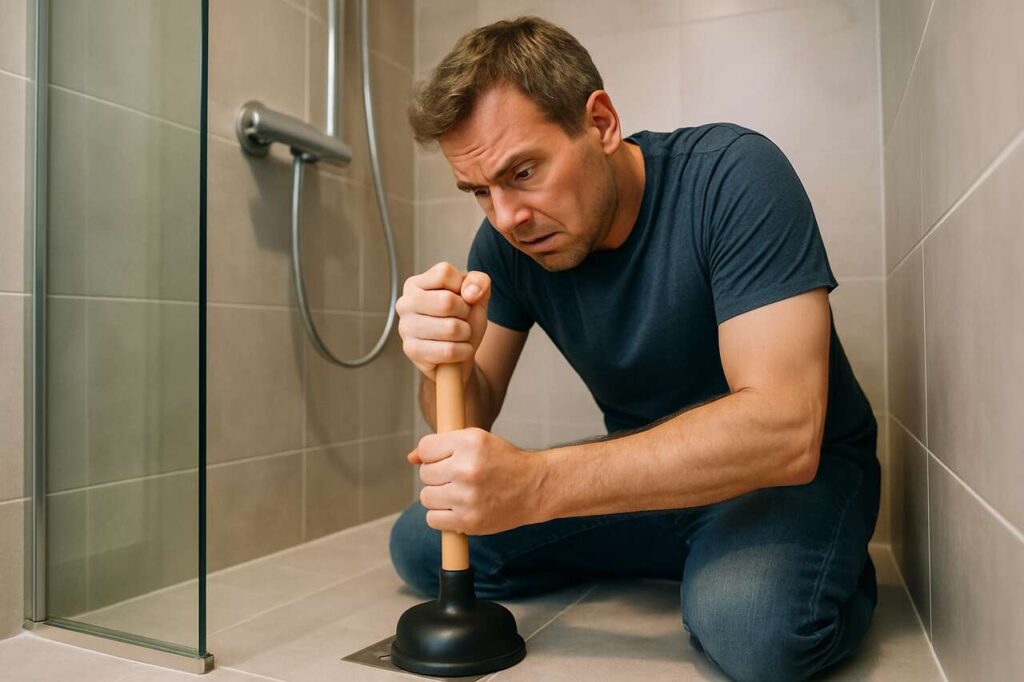
A clogged shower drain can quickly transform a relaxing morning routine into a frustrating ordeal. Standing in a pool of soapy water whilst trying to rinse off is not only unpleasant but also raises concerns about hygiene and potential water damage. Fortunately, addressing this common household problem does not always require calling a professional plumber. With the right knowledge and tools, most blockages can be resolved swiftly and effectively, restoring proper drainage and preventing more serious plumbing issues down the line.
Understanding the causes of a shower drain blockage
Identifying what causes shower drains to become blocked is the first step towards effective treatment and prevention. The most common culprit is hair accumulation, which combines with soap scum, body oils, and dead skin cells to form stubborn clumps that restrict water flow. These organic materials bind together, creating a dense mass that adheres to the interior walls of pipes.
Common blockage materials
Several substances regularly contribute to shower drain obstructions:
- Hair strands that wrap around drain components and trap other debris
- Soap residue that hardens over time, particularly from traditional bar soaps containing fats
- Mineral deposits from hard water that gradually narrow pipe diameter
- Small objects such as bottle caps, razor guards, or jewellery accidentally dropped down the drain
- Product build-up from shampoos, conditioners, and body washes
How blockages develop over time
Shower drain blockages rarely occur overnight. Instead, they develop gradually as materials accumulate layer by layer. Initially, water may drain slightly slower than usual, a warning sign often overlooked. As the obstruction grows, drainage becomes progressively worse until water pools noticeably during showers. Understanding this progressive nature emphasises the importance of addressing early symptoms before they escalate into complete blockages requiring more intensive intervention.
Recognising these underlying causes helps homeowners select the most appropriate clearing method and implement preventative measures. With this foundation established, the next consideration involves gathering the proper equipment for tackling the blockage.
Essential tools to effectively unclog
Having the right tools readily available makes the unclogging process considerably more efficient and increases the likelihood of success. Most of these items are inexpensive and can be found in hardware stores or online retailers.
Basic manual tools
Several mechanical devices prove invaluable when addressing shower drain blockages:
- Drain snake or auger: a flexible metal cable that reaches deep into pipes to break up or retrieve obstructions
- Plunger: specifically a flat-bottomed sink plunger rather than the flanged toilet variety
- Screwdriver set: for removing drain covers and accessing the trap
- Rubber gloves: to maintain hygiene whilst handling unpleasant debris
- Wire coat hanger: can be straightened and bent to create a makeshift retrieval tool
- Bucket or container: for catching water when disassembling drain components
Protective and cleaning supplies
Beyond the primary unclogging tools, certain supplies enhance safety and cleanliness during the process. Safety goggles protect eyes from splashes, particularly when using chemical solutions. Old towels or rags help manage water spillage, whilst a flashlight or headlamp illuminates the drain interior for better visibility. Having these items prepared before beginning work streamlines the entire operation and prevents unnecessary interruptions.
| Tool category | Primary function | Approximate cost |
|---|---|---|
| Drain snake | Reaches deep blockages | £8-£25 |
| Plunger | Creates pressure to dislodge clogs | £5-£15 |
| Screwdriver set | Removes drain covers | £10-£30 |
With these tools assembled, homeowners can confidently approach blockage removal. For those preferring environmentally friendly approaches, several natural methods offer effective alternatives to harsh chemicals.
Natural methods to clear a shower drain
Natural cleaning solutions provide eco-friendly alternatives that avoid introducing harsh chemicals into household plumbing systems. These methods work particularly well for minor to moderate blockages and regular maintenance.
The boiling water technique
The simplest approach involves pouring boiling water directly down the drain. This method works by melting soap scum and loosening greasy deposits that contribute to blockages. Boil a full kettle of water and pour it slowly down the drain in two or three stages, allowing several seconds between each pour. This technique proves most effective for soap-based blockages rather than solid obstructions like hair clumps.
Baking soda and vinegar solution
This classic combination creates a fizzing reaction that helps break down organic matter. The process involves several straightforward steps:
- Remove standing water from the shower tray
- Pour approximately 200 grams of baking soda down the drain
- Follow with 240 millilitres of white vinegar
- Cover the drain opening with a wet cloth to contain the reaction
- Wait 30 minutes to allow the mixture to work
- Flush thoroughly with hot water
Salt and baking soda combination
For stubborn blockages, mixing equal parts salt and baking soda creates an abrasive cleaning agent. Pour this mixture down the drain, followed by boiling water after letting it sit for several hours or overnight. The salt acts as a scouring agent whilst the baking soda provides alkaline cleaning power. This method works particularly well when performed regularly as preventative maintenance rather than emergency intervention.
Whilst natural methods offer numerous advantages, certain situations require stronger interventions. Understanding when and how to use chemical solutions ensures effective results without damaging plumbing systems.
Chemical solutions: when and how to use them
Commercial drain cleaners provide powerful options for persistent blockages that resist natural methods. However, these products require careful handling and appropriate application to ensure safety and effectiveness.
Types of chemical drain cleaners
Several categories of chemical cleaners exist, each with distinct characteristics:
| Cleaner type | Active ingredient | Best for |
|---|---|---|
| Caustic cleaners | Sodium hydroxide | Grease and soap blockages |
| Oxidising cleaners | Bleach or peroxides | Organic matter |
| Acidic cleaners | Sulphuric acid | Severe blockages |
Proper application guidelines
When using chemical drain cleaners, strict adherence to instructions prevents injuries and plumbing damage. Always wear protective gloves and eyewear, ensure adequate ventilation by opening windows, and never mix different chemical products as this can create dangerous reactions. Pour the recommended amount slowly to avoid splashing, then allow the specified contact time before flushing with water. Never use chemical cleaners in completely blocked drains where standing water prevents proper product distribution.
When to avoid chemical solutions
Certain situations warrant avoiding chemical cleaners altogether. Older pipes, particularly those made from galvanised steel or with corroded joints, may suffer damage from caustic substances. Homes with septic systems should exercise caution as harsh chemicals can disrupt beneficial bacterial populations. Additionally, if previous attempts with chemicals have failed, repeated applications rarely improve results and may indicate blockages requiring mechanical removal or professional assistance.
Beyond addressing existing blockages, implementing preventative strategies significantly reduces the frequency of drainage problems. Simple habits and modest investments can maintain clear drains indefinitely.
Tips to prevent future shower drain blockages
Prevention remains far more convenient and cost-effective than repeatedly addressing blockages. Establishing regular maintenance routines and installing protective devices dramatically reduces the likelihood of future drainage problems.
Physical barriers and screens
Installing a drain screen or hair catcher represents the single most effective preventative measure. These inexpensive devices sit over or inside the drain opening, capturing hair and larger debris before they enter the plumbing system. Various designs accommodate different drain configurations:
- Flat mesh screens that lay over the drain
- Dome-shaped catchers that fit inside the drain opening
- Silicone drain protectors with small perforations
- Stainless steel strainers for durability
Cleaning these devices after each shower takes mere seconds but prevents substantial accumulation within pipes.
Regular maintenance practices
Incorporating simple weekly habits maintains optimal drainage. Flushing drains with hot water after each shower helps dissolve soap residue before it hardens. Monthly treatments with baking soda and vinegar provide preventative cleaning without harsh chemicals. Additionally, removing and cleaning the drain cover quarterly allows inspection of the upper trap area where initial accumulation typically occurs.
Behavioural adjustments
Small changes in shower habits contribute significantly to drain health. Brushing hair before showering removes loose strands that would otherwise wash down the drain. Using liquid soap instead of traditional bars reduces soap scum formation. Limiting the amount of hair styling products used in the shower decreases residue build-up. These modest adjustments, combined with physical barriers and regular maintenance, create a comprehensive prevention strategy.
Maintaining clear shower drains requires understanding blockage causes, having appropriate tools available, knowing when to use natural versus chemical solutions, and implementing consistent preventative measures. Most drainage issues respond well to simple interventions when addressed promptly, avoiding the expense and inconvenience of professional plumbing services. Regular attention to drain health ensures smooth water flow and extends the lifespan of household plumbing systems, making these practices worthwhile investments in home maintenance.