



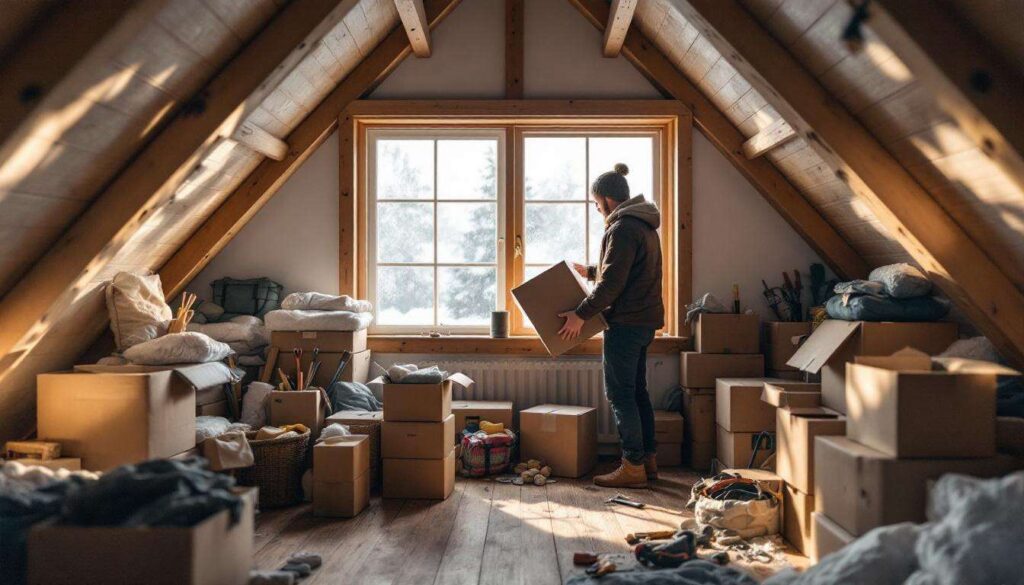
As temperatures plummet and winter approaches, your attic becomes a critical line of defence against the harsh elements. This often-neglected space can significantly impact your home’s energy efficiency, structural integrity, and overall comfort during the coldest months. Proper preparation not only prevents costly damage but also reduces heating bills and protects your property from moisture-related issues. Taking proactive steps now ensures your attic remains a well-maintained barrier against winter’s challenges, safeguarding both your investment and your family’s wellbeing throughout the season.
Roof inspection and repair
Identifying potential vulnerabilities
Before winter arrives, conducting a thorough roof examination is essential to prevent serious damage. Begin by inspecting from ground level using binoculars to identify missing or damaged shingles, sagging areas, or visible holes. Inside the attic, look for daylight penetrating through the roof boards, which indicates gaps that require immediate attention. Water stains on rafters or insulation suggest existing leaks that will worsen when snow and ice accumulate.
Addressing common roof problems
Once you’ve identified issues, prioritise repairs based on severity. Consider these common problems:
- Cracked or curling shingles that expose underlayment to moisture
- Damaged flashing around chimneys, vents, and skylights
- Loose or corroded fixings that compromise roof stability
- Blocked or damaged guttering that causes water backup
- Deteriorating sealant around roof penetrations
Engaging a qualified roofing professional ensures repairs meet building standards and provides warranty protection. For minor issues like replacing individual shingles, ensure you match existing materials and colours for both aesthetic consistency and proper weatherproofing. Understanding your roof’s condition sets the foundation for addressing insulation and moisture control.
Effective thermal insulation
Evaluating current insulation levels
Inadequate insulation forces heating systems to work harder, driving up energy costs whilst failing to maintain comfortable temperatures. Check your attic’s insulation depth and type, as older properties often have insufficient coverage by modern standards. The recommended depth varies by material, but generally fibreglass requires 270mm whilst mineral wool needs approximately 250mm for optimal thermal performance.
Upgrading insulation materials
Several insulation options suit different budgets and requirements:
| Material | R-Value per inch | Advantages |
|---|---|---|
| Fibreglass batts | 2.9-3.8 | Cost-effective, easy installation |
| Mineral wool | 3.0-3.3 | Fire-resistant, sound dampening |
| Spray foam | 3.6-6.5 | Air sealing, moisture barrier |
| Cellulose | 3.2-3.8 | Eco-friendly, fills gaps effectively |
When adding insulation, seal air leaks around electrical fixtures, pipes, and ductwork first. These gaps allow warm air to escape and cold air to infiltrate, undermining insulation effectiveness. Use expanding foam or caulk for smaller openings and rigid foam boards for larger gaps. Proper insulation work naturally leads to considerations about air movement and moisture management.
Ventilation and air circulation
Understanding ventilation requirements
Whilst insulation keeps warmth inside, adequate ventilation prevents moisture accumulation that leads to mould growth and structural decay. A balanced system includes intake vents at the eaves and exhaust vents near the ridge, creating continuous airflow that removes excess humidity. The general rule requires one square foot of ventilation for every 150 square feet of attic space.
Maintaining ventilation systems
Before winter, ensure all vents remain unobstructed:
- Clear soffit vents of debris, bird nests, and insulation blockages
- Inspect ridge vents for damage or displacement
- Verify gable vents are intact and properly screened
- Check that insulation doesn’t block airflow channels
- Install baffles to maintain clearance between insulation and roof deck
Proper ventilation also prevents ice dam formation, which occurs when heat escapes through the roof, melting snow that refreezes at colder eaves. This ice buildup forces water under shingles, causing interior damage. Maintaining consistent attic temperatures through ventilation protects against this costly problem whilst addressing moisture concerns more broadly.
Water infiltration control
Identifying moisture sources
Water damage in attics stems from multiple sources beyond roof leaks. Condensation forms when warm, humid air meets cold surfaces, particularly during winter when temperature differentials are greatest. Bathroom and kitchen exhaust fans venting into the attic rather than outdoors contribute significant moisture. Plumbing leaks, though less common, can cause extensive damage if undetected.
Implementing moisture barriers
Create a comprehensive moisture management strategy through these measures:
- Install vapour barriers on the warm side of insulation
- Redirect all exhaust fans to vent outside through dedicated ductwork
- Seal penetrations where pipes and wires enter the attic
- Apply weatherproof membrane under roofing materials
- Monitor humidity levels with a hygrometer, maintaining below 60%
Address any signs of existing water damage immediately, as compromised materials lose insulating properties and harbour mould. Replace water-stained insulation and treat affected wood with appropriate fungicides. Controlling moisture protects not only structural elements but also creates an inhospitable environment for unwanted inhabitants.
Pest protection
Common attic invaders
Winter drives rodents, insects, and birds to seek warm shelter, making attics particularly vulnerable. Mice and rats squeeze through openings as small as 6mm, whilst squirrels gnaw through weakened areas to create entry points. These pests cause significant damage by chewing wiring, destroying insulation, and contaminating spaces with droppings that pose health risks.
Securing entry points
Implement these protective measures before cold weather arrives:
- Seal gaps around utility lines with steel wool and caulk
- Install mesh screening over vents and openings
- Repair damaged soffits and fascia boards
- Trim tree branches within two metres of the roofline
- Cap chimneys with approved spark arrestor screens
Inspect regularly for signs of infestation including droppings, gnaw marks, and unusual sounds. If pests have already established residence, professional removal ensures humane treatment and prevents recurring problems. Once the attic is secure from invaders, maintaining cleanliness and organisation becomes more manageable.
Space cleaning and organisation
Decluttering for efficiency
A cluttered attic hampers inspections, restricts airflow, and creates fire hazards. Before winter, sort stored items and remove unnecessary belongings. Use clearly labelled containers made from plastic rather than cardboard, which deteriorates in humid conditions and attracts pests. Elevate storage off the floor using shelving or pallets to prevent moisture damage and allow air circulation.
Creating accessible pathways
Organise the space to facilitate future maintenance:
- Install walkways or boards across joists to prevent insulation compression
- Position frequently accessed items near the entry point
- Keep mechanical equipment areas clear for servicing
- Store flammable materials in approved containers away from heat sources
- Maintain adequate lighting for safe navigation during inspections
Regular cleaning removes dust and debris that can ignite near heat sources or electrical components. A well-organised attic allows you to quickly identify developing problems and perform routine maintenance tasks efficiently throughout winter.
Preparing your attic for winter weather requires systematic attention to structural integrity, thermal performance, moisture management, pest exclusion, and organisation. These interconnected elements work together to create a protective barrier that maintains home comfort whilst preventing expensive repairs. By addressing each area methodically before temperatures drop, you ensure your attic performs optimally throughout the challenging winter months, protecting your investment and providing peace of mind when severe weather arrives.