



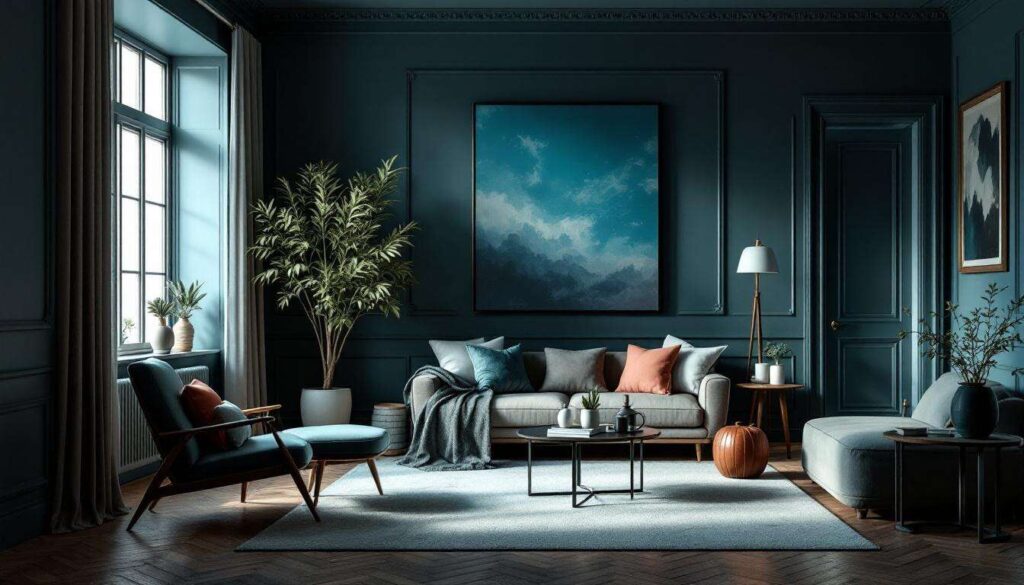
Dark rooms present a persistent decorating dilemma that affects countless homes across the country. Whether caused by limited windows, unfavourable orientation, or surrounding buildings blocking natural light, these shadowy spaces can feel cramped and unwelcoming. The solution, however, doesn’t always require expensive renovations or structural alterations. Strategic paint selection offers a remarkably effective method for transforming gloomy interiors into bright, inviting environments. By understanding how colours interact with available light and applying expert recommendations, homeowners can dramatically improve the atmosphere of even the most challenging rooms.
Choosing colours that illuminate: informed decisions
Understanding light reflectance value
The science behind brightening dark spaces centres on light reflectance value (LRV), a measurement system that quantifies how much light a colour reflects back into a room. This scale ranges from 0 to 100, with higher numbers indicating greater reflective capacity. Colours scoring above 50 on the LRV scale effectively bounce light around a space, whilst those below 30 absorb light and can intensify darkness. When selecting paint for a dim room, prioritising colours with an LRV of 60 or higher ensures optimal brightness enhancement.
The psychology of colour perception
Beyond technical measurements, colour choices influence how we experience a space emotionally and psychologically. Light, reflective hues create an impression of openness and airiness, making confined areas feel more expansive. This perceptual shift occurs because bright colours recede visually, pushing walls outward in our minds. Conversely, dark colours advance towards us, making rooms feel smaller and more enclosed. Understanding this psychological dimension helps homeowners select shades that not only reflect light physically but also create a welcoming and comfortable atmosphere.
Assessing your room’s specific needs
Before committing to a colour, evaluate your room’s particular characteristics:
- Direction of windows and quality of natural light throughout the day
- Artificial lighting sources and their colour temperature
- Room dimensions and ceiling height
- Existing furniture and décor that will remain in the space
- The room’s primary function and desired mood
These factors collectively influence which paint colours will perform best in your specific situation. Having established these foundational principles, we can now explore the specific colour families that designers consistently recommend for brightening dark rooms.
Bright white: a timeless classic
The versatility of white paint
White remains the most effective choice for maximising light reflection in dark spaces. With LRV values typically ranging from 85 to 95, white paint bounces the maximum amount of available light throughout a room. However, not all whites perform equally. Cool whites with blue or grey undertones can feel stark and clinical in rooms lacking natural warmth, whilst warmer whites containing hints of cream or yellow create a softer, more inviting ambience.
Selecting the right white
Designers recommend testing multiple white samples in your specific room before committing. Paint large swatches on different walls and observe them at various times throughout the day. Natural light changes dramatically from morning to evening, and artificial lighting further alters colour appearance. Popular choices include whites with subtle warm undertones that prevent the sterile feeling associated with pure brilliant white whilst maintaining excellent light-reflecting properties.
| White type | Undertone | Best for |
|---|---|---|
| Warm white | Cream, yellow | North-facing rooms |
| Cool white | Blue, grey | South-facing rooms |
| Neutral white | Balanced | Versatile application |
Whilst white delivers unmatched brightness, some homeowners seek colour options that add personality whilst still enhancing light levels.
Vibrant yellow: a sunny touch
Harnessing yellow’s energising properties
Yellow paint introduces warmth and cheerfulness to dark rooms whilst maintaining strong light-reflecting capabilities. Pale, buttery yellows with high LRV values create the illusion of sunlight streaming into spaces that receive limited natural light. This colour choice works particularly well in kitchens, breakfast rooms, and home offices where an energising atmosphere supports the room’s function.
Avoiding common yellow pitfalls
The key to successfully using yellow lies in selecting the appropriate shade intensity. Overly saturated or bright yellows can overwhelm a space and create visual fatigue. Instead, designers recommend:
- Soft, creamy yellows that whisper rather than shout
- Shades with an LRV above 70 for optimal light reflection
- Testing samples extensively, as yellow can appear dramatically different under various lighting conditions
- Pairing yellow walls with white trim to create definition and enhance brightness
Yellow’s warmth makes it particularly effective in rooms with northern exposure, where natural light tends towards cooler tones. For those seeking brightness without yellow’s boldness, gentler pastel options offer an appealing alternative.
Soft pastels: subtle clarity
The appeal of understated colour
Pastel shades provide an excellent compromise between pure white’s starkness and bolder colours’ intensity. Pale blues, soft pinks, gentle greens, and delicate lavenders all reflect substantial light whilst introducing subtle personality to a room. These colours work especially well in bedrooms and living spaces where a calming, restful atmosphere is desired alongside improved brightness.
Recommended pastel applications
When working with pastels in dark rooms, prioritise shades with an LRV of at least 60. Blush pinks create warmth without the intensity of yellow, whilst sage greens bring a natural, organic quality that feels both fresh and sophisticated. Pale blue introduces coolness and serenity, making spaces feel larger and more open. The success of pastels depends on selecting versions that lean towards white rather than their more saturated counterparts.
Coordinating pastels with existing décor
Pastels integrate seamlessly with various decorating styles, from traditional to contemporary. They serve as neutral backdrops that allow furniture and artwork to take centre stage whilst still contributing to overall brightness. Consider the existing colour palette in your furnishings and select a pastel that harmonises rather than clashes with these established elements.
For homeowners preferring a more contemporary aesthetic, modern grey tones offer sophisticated brightness enhancement.
Light greys: modern shine
Grey’s contemporary appeal
Light grey has emerged as a popular alternative to white, offering sophistication and versatility whilst maintaining strong light-reflecting properties. Greys with LRV values above 60 effectively brighten dark rooms whilst providing a modern, elegant backdrop. The key lies in selecting greys with warm undertones rather than cool, blue-toned versions that can appear dull and lifeless in poorly lit spaces.
Navigating grey’s complexity
Grey proves notoriously challenging to select because it contains various undertones that become apparent only after application. Some greys reveal purple, blue, or green casts depending on lighting conditions. To avoid disappointment:
- Purchase sample pots and paint large test areas
- Observe samples for several days under different lighting conditions
- Consider how existing flooring and furniture influence grey’s appearance
- Opt for greige (grey-beige hybrids) for warmer, more forgiving options
Maximising grey’s potential
Light grey walls pair beautifully with crisp white trim, creating definition that enhances perceived brightness. This combination works particularly well in modern and transitional interiors. Grey’s neutral quality allows bold accent colours in furnishings and accessories to truly shine, making it an excellent choice for those who prefer colourful décor elements rather than painted walls.
Finally, for rooms where tranquillity and airiness are priorities, pale blue offers distinctive advantages.
Light blue: a breath of fresh air
Blue’s calming influence
Pale blue paint creates an atmosphere of serenity whilst effectively brightening dark spaces. This colour choice works exceptionally well in bedrooms, bathrooms, and any room where a peaceful, restful environment is desired. Light blues with high LRV values reflect substantial light whilst introducing a sense of openness reminiscent of clear skies.
Selecting the appropriate blue
The success of blue in dark rooms depends entirely on shade selection. Avoid blues with grey undertones in poorly lit spaces, as these can appear muddy and depressing. Instead, choose clear, clean blues with either slight green undertones for freshness or subtle violet undertones for sophistication. Sky blues and powder blues typically perform well, provided their LRV exceeds 60.
Blue’s practical applications
Light blue proves particularly effective in rooms with southern or western exposure, where it counterbalances warm afternoon light. In bathrooms, pale blue creates a spa-like atmosphere whilst making small spaces feel more expansive. When used in bedrooms, it promotes relaxation and restful sleep. Pair light blue walls with white or cream trim and natural wood elements to create a balanced, harmonious scheme that maximises both brightness and visual appeal.
Strategic paint selection transforms dark rooms into bright, welcoming spaces without requiring structural modifications. By understanding light reflectance values and choosing colours with proven brightening capabilities, homeowners can dramatically improve their living environments. Whether opting for classic white, cheerful yellow, gentle pastels, sophisticated grey, or serene blue, the key lies in selecting shades with high LRV values and appropriate undertones for your specific lighting conditions. Testing samples extensively before committing ensures satisfaction with the final result, creating spaces that feel both brighter and more inviting.