



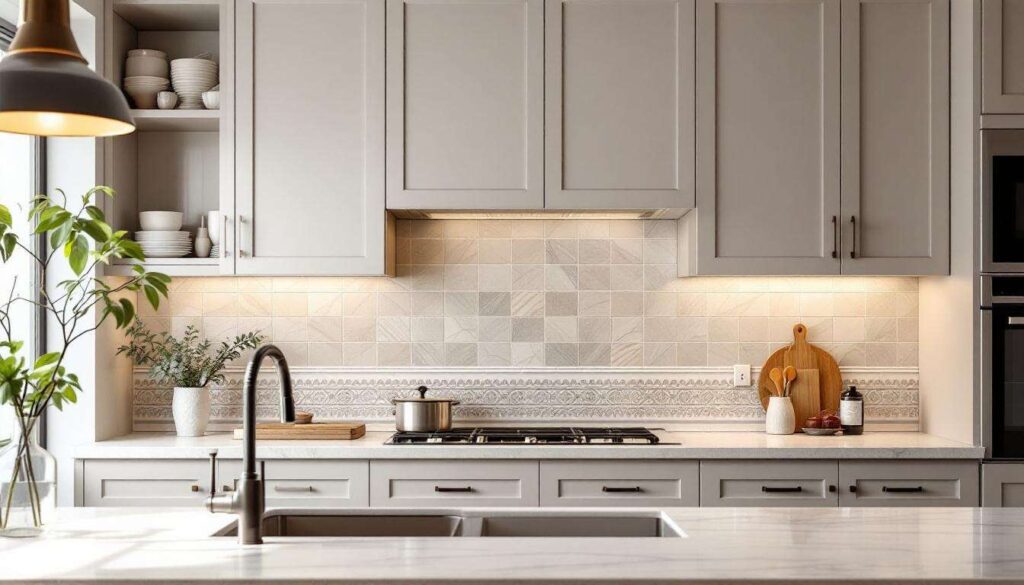
Kitchen splashbacks serve a dual purpose: protecting walls from moisture and grease whilst creating a focal point that defines the entire space. The pattern you choose for your tiles can transform an ordinary kitchen into a distinctive environment that reflects your personal style. From classic arrangements that have stood the test of time to contemporary designs that push creative boundaries, the right installation pattern elevates both functionality and aesthetics. Understanding the various options available empowers homeowners to make informed decisions that complement their cabinetry, worktops, and overall design vision.
Introduction to the art of tiling
Understanding pattern fundamentals
Tile patterns represent more than mere decoration; they establish visual rhythm and spatial perception within your kitchen. The arrangement you select influences how light interacts with surfaces, how the eye travels across the wall, and how the splashback relates to surrounding elements. Professional installers consider factors such as tile size, grout line thickness, and colour contrast when recommending patterns that suit specific spaces.
Practical considerations before choosing
Before committing to a particular pattern, several practical elements require attention:
- Available wall space and dimensions
- Tile size and shape compatibility
- Installation complexity and associated costs
- Maintenance requirements for different grout configurations
- Visual impact in relation to kitchen size
Smaller kitchens benefit from patterns that create the illusion of expanded space, whilst larger areas can accommodate bolder, more intricate arrangements. The relationship between pattern choice and room proportions significantly affects the final aesthetic outcome.
With these foundational principles established, exploring specific patterns reveals the diverse possibilities available for creating a truly distinctive splashback.
The timeless herringbone pattern
Classic appeal with modern relevance
The herringbone pattern arranges rectangular tiles at 45-degree angles to create a distinctive V-shaped weaving effect. This centuries-old design originated in Roman road construction and has maintained its popularity through successive design movements. The pattern’s enduring appeal lies in its ability to add movement and sophistication without overwhelming other design elements.
Installation considerations
| Aspect | Requirement |
|---|---|
| Skill level | Intermediate to advanced |
| Waste factor | 15-20% |
| Installation time | 30-40% longer than standard |
| Best tile sizes | 75mm × 150mm to 100mm × 300mm |
The herringbone arrangement demands precise measurements and careful planning, particularly at edges and corners where cuts must maintain the pattern’s integrity. Professional installation typically yields the best results, though experienced DIY enthusiasts can achieve success with proper preparation.
Whilst herringbone offers timeless sophistication, those seeking something more distinctive might consider patterns with organic shapes and flowing lines.
Adding variety with the fish scale pattern
Organic curves for contemporary spaces
Fish scale tiles, also known as scallop or fan patterns, introduce soft, overlapping curves that create a sense of movement and fluidity. This design choice works exceptionally well in kitchens aiming for a coastal, Mediterranean, or art deco aesthetic. The rounded edges catch light differently throughout the day, producing subtle variations in appearance.
Design versatility
Fish scale patterns offer remarkable flexibility in application:
- Monochromatic schemes emphasise texture and form
- Gradient colour transitions create ombré effects
- Contrasting colours highlight individual scales
- Metallic glazes add shimmer and depth
- Mixed sizes create dynamic focal points
Practical implementation
Installing fish scale tiles requires attention to horizontal alignment to maintain the overlapping effect. The pattern naturally draws the eye upward, making it particularly effective for splashbacks in kitchens with lower ceilings. Grout colour selection significantly impacts the overall appearance: contrasting grout emphasises individual scales, whilst matching grout creates a more unified surface.
For those who appreciate geometric precision over organic forms, traditional rectangular tiles offer different opportunities for creative expression.
Creating rhythm with staggered subway tiles
The versatile running bond
Staggered subway tiles, arranged in a running bond or brick pattern, represent one of the most popular and adaptable installation methods. Each tile offsets by half its length from the row above, creating horizontal lines that expand visual space. This pattern’s widespread appeal stems from its clean appearance, straightforward installation, and compatibility with various design styles.
Variations on the classic theme
The basic staggered pattern accommodates numerous creative adaptations:
- One-third offset for a more dynamic appearance
- Vertical stacking to emphasise height
- Mixed tile sizes for textural interest
- Coloured accent rows for visual breaks
- Varied grout widths to alter perception
Cost-effectiveness and practicality
| Factor | Benefit |
|---|---|
| Material waste | Minimal (5-10%) |
| Installation speed | Faster than complex patterns |
| DIY suitability | Excellent for beginners |
| Visual impact | Clean, professional appearance |
The staggered pattern’s simplicity makes it budget-friendly without sacrificing style, allowing homeowners to allocate resources toward premium tile materials or finishes rather than labour-intensive installation.
Moving from linear simplicity to bold contrast, geometric patterns offer striking visual alternatives.
The elegance of the checkerboard pattern
High-contrast visual impact
The checkerboard pattern alternates two contrasting tile colours in a grid formation, creating immediate visual drama. This arrangement works particularly well with square tiles and suits kitchens embracing retro, vintage, or contemporary design aesthetics. The stark contrast between tiles demands careful colour selection to ensure the pattern enhances rather than overwhelms the space.
Colour and scale considerations
Successful checkerboard implementation depends on thoughtful planning:
- Black and white create classic drama
- Subtle tone variations offer softer contrast
- Larger tiles suit spacious kitchens
- Smaller tiles create intricate detail
- Three-colour variations add complexity
The pattern’s geometric precision requires perfectly square tiles and consistent grout lines to maintain visual integrity. Any deviation from exact alignment becomes immediately apparent, making professional installation advisable for achieving optimal results.
Those captivated by herringbone’s sophistication but seeking greater distinctiveness might explore its lesser-known variation.
The originality of the reverse herringbone pattern
Inverting tradition for fresh appeal
The reverse herringbone pattern, also called chevron, differs from traditional herringbone by cutting tile ends at angles to create continuous zigzag lines without breaks. This creates a more pronounced directional flow and contemporary appearance. The pattern’s boldness makes it ideal for homeowners seeking a statement splashback that commands attention.
Technical requirements
Achieving the chevron effect demands specific considerations:
- Tiles require precise angled cuts
- Professional installation highly recommended
- Higher material costs due to cutting waste
- Directional planning affects spatial perception
- Grout line alignment critical for success
Visual impact and design harmony
The reverse herringbone’s strong directional quality influences how the eye moves through the space. Horizontal chevrons emphasise width, whilst vertical arrangements draw attention upward. This pattern pairs exceptionally well with minimalist cabinetry and simple hardware, allowing the splashback to serve as the kitchen’s primary decorative element.
| Pattern orientation | Visual effect |
|---|---|
| Horizontal chevron | Expands perceived width |
| Vertical chevron | Emphasises ceiling height |
| Diagonal chevron | Creates dynamic energy |
Kitchen splashbacks offer boundless opportunities for personal expression through thoughtful pattern selection. Whether embracing timeless herringbone elegance, organic fish scale curves, practical staggered arrangements, dramatic checkerboard contrast, or distinctive reverse herringbone geometry, each pattern contributes unique character to your space. The most successful installations balance aesthetic preferences with practical considerations such as installation complexity, maintenance requirements, and spatial proportions. By understanding these diverse options and their respective characteristics, homeowners can confidently select patterns that transform functional surfaces into captivating design features that elevate their entire kitchen environment.