
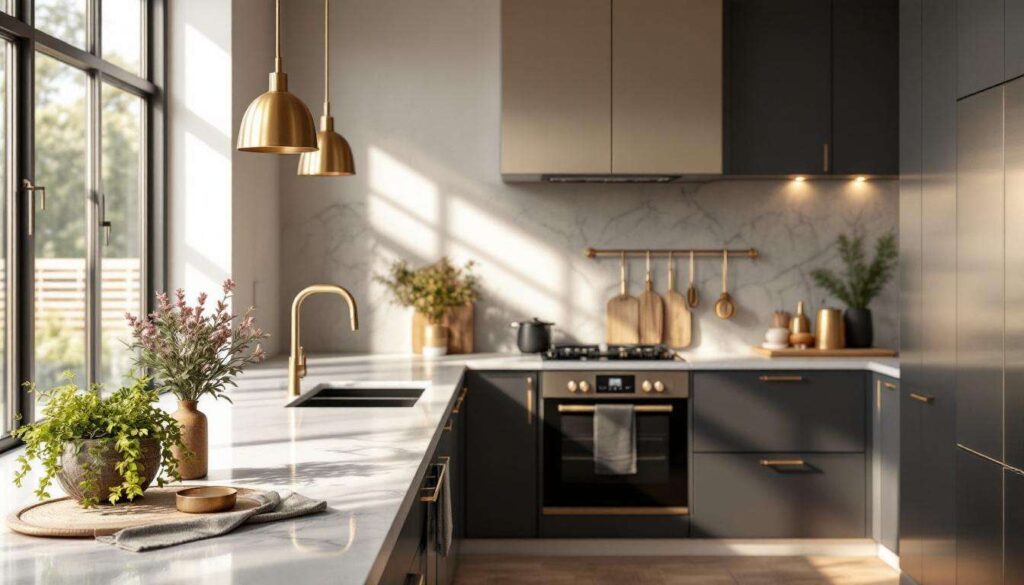
The world of interior design continues to evolve, bringing fresh perspectives to traditional materials and finishes. Amongst the most intriguing developments is the emergence of a sophisticated alternative to conventional brass that is capturing the attention of design-conscious homeowners. This innovative finish combines the warmth and elegance of brass with modern sensibilities, offering a refined aesthetic that bridges classic charm and contemporary style. As homeowners seek distinctive ways to elevate their living spaces, this alternative brass finish has emerged as a versatile solution that works seamlessly across various design schemes whilst maintaining a sense of timeless appeal.
What is the alternative brass finish ?
Understanding the composition and appearance
The alternative brass finish refers to brushed or satin brass, a treatment that creates a subtle, matte appearance rather than the traditional high-gloss shine. This finish is achieved through a mechanical process that gently abrades the surface of brass, creating fine lines that scatter light and produce a softer, more understated lustre. Unlike polished brass, which reflects light intensely and can appear quite bold, the alternative finish offers a sophisticated restraint that appeals to modern sensibilities.
Key characteristics that set it apart
Several distinctive features define this alternative brass finish:
- Muted sheen: the surface reflects light softly rather than creating mirror-like reflections
- Textured appearance: fine directional lines create visual interest and tactile depth
- Warm undertones: retains the golden warmth of brass whilst appearing less yellow
- Fingerprint resistance: the textured surface shows fewer smudges and marks compared to polished alternatives
- Versatile patina development: ages gracefully with a subtle darkening that enhances character
This finish represents a middle ground between the boldness of polished brass and the coolness of brushed nickel, making it an exceptionally adaptable choice for various interior contexts. The subtle nature of this finish allows it to complement rather than dominate a space, creating visual interest without overwhelming other design elements.
Interior decoration trends in 2026
The shift towards understated luxury
Current design movements emphasise quiet sophistication over ostentatious displays. Homeowners are gravitating towards materials and finishes that convey quality through subtlety rather than shine. This alternative brass finish aligns perfectly with the understated luxury aesthetic that dominates contemporary interiors, where craftsmanship and material integrity take precedence over flashy statements.
Warm metallics in modern contexts
The design landscape has witnessed a notable departure from the cool-toned metals that dominated previous years. Warm metallics are experiencing a renaissance, but with a distinctly modern interpretation. The alternative brass finish exemplifies this evolution, offering warmth without the traditional formality associated with polished brass fixtures and fittings.
| Design trend | Key characteristics | How alternative brass fits |
|---|---|---|
| Organic modernism | Natural materials, soft lines, earthy tones | Warm undertones complement natural palettes |
| Maximalist minimalism | Quality over quantity, curated collections | Subtle finish adds interest without clutter |
| Biophilic design | Nature-inspired elements, tactile surfaces | Textured surface echoes natural materials |
| Heritage revival | Traditional elements with contemporary twist | Classic material with modern treatment |
These broader movements in interior design create an ideal environment for the alternative brass finish to thrive, as it addresses multiple aesthetic priorities simultaneously. The finish’s ability to work across different styles makes it particularly valuable in an era where eclectic, personalised interiors are increasingly favoured over rigid adherence to single design philosophies.
Why are homeowners adopting this finish ?
Practical advantages in everyday living
Beyond aesthetic considerations, the alternative brass finish offers tangible practical benefits that resonate with homeowners. The textured surface naturally conceals minor scratches and wear patterns that would be immediately visible on polished surfaces. This forgiving nature makes it particularly suitable for high-traffic areas and frequently touched items such as door handles, cabinet pulls, and tap fittings.
Versatility across design schemes
The adaptability of this finish cannot be overstated. Homeowners appreciate that it complements an impressive range of colour palettes and materials:
- Works beautifully with both cool and warm paint colours
- Pairs elegantly with natural stone, particularly marble and granite
- Complements wooden cabinetry in all tones from light oak to dark walnut
- Harmonises with contemporary materials like concrete and steel
- Enhances traditional elements without appearing dated
Investment value and longevity
Homeowners increasingly consider the long-term value of their design choices. The alternative brass finish offers excellent longevity, as its subtle appearance is less likely to feel dated compared to trendier finishes. This timeless quality means that fixtures and fittings retain their appeal even as other design elements evolve, protecting the homeowner’s investment whilst maintaining aesthetic coherence.
Comparison with other metallic finishes
Alternative brass versus polished brass
The most obvious comparison lies between the alternative finish and traditional polished brass. Whilst both share the same base material, their visual impact differs significantly. Polished brass creates a bold, reflective statement that can appear formal or even ostentatious in certain contexts. The alternative finish, by contrast, offers restrained elegance that works in both traditional and contemporary settings without dominating the visual landscape.
How it compares to other popular finishes
| Finish type | Visual warmth | Maintenance needs | Style versatility | Patina development |
|---|---|---|---|---|
| Alternative brass | Warm, golden | Low to moderate | Excellent | Graceful darkening |
| Polished chrome | Cool, neutral | High (shows marks) | Good | Minimal |
| Brushed nickel | Cool to neutral | Low | Very good | Slight darkening |
| Oil-rubbed bronze | Warm, dark | Low | Moderate | Pronounced darkening |
| Matte black | Neutral | Moderate | Good | None |
This comparison reveals that the alternative brass finish occupies a unique position, offering warmth comparable to oil-rubbed bronze but with greater lightness, and providing the low-maintenance benefits of brushed nickel whilst introducing more character and warmth. These advantages explain why many homeowners view it as the optimal balance between various competing priorities.
Tips for incorporating the alternative brass finish into your interior
Strategic placement for maximum impact
Successful integration of this finish requires thoughtful consideration of placement and proportion. Rather than distributing the finish randomly throughout a home, concentrate it in areas where it can create cohesive visual statements. Kitchen and bathroom fixtures offer excellent opportunities, as do architectural hardware elements like door handles and cabinet pulls throughout a specific area.
Mixing metals with confidence
Contemporary design embraces mixed metal schemes, and the alternative brass finish works exceptionally well in such contexts. Consider these approaches:
- Pair with matte black fixtures for dramatic contrast whilst maintaining warmth
- Combine with brushed stainless steel for a layered metallic palette
- Use alongside copper accents to create a warm, harmonious scheme
- Balance with chrome in small doses for contemporary edge
- Integrate with antique brass for depth and historical reference
Complementary materials and colours
The alternative brass finish shines when paired with appropriate supporting materials. Natural materials create particularly successful partnerships: marble countertops, wooden cabinetry, and limestone tiles all enhance the finish’s inherent warmth. Colour-wise, it complements deep greens, soft greys, warm whites, and earthy terracotta tones whilst also working beautifully with navy blues and charcoal shades.
Maintenance and durability of the alternative brass finish
Routine care requirements
One of the most appealing aspects of this finish is its low-maintenance nature. Regular cleaning requires nothing more than a soft cloth and mild soap solution. The textured surface naturally disguises minor marks and fingerprints, reducing the frequency of cleaning compared to polished alternatives. Avoid abrasive cleaners and harsh chemicals, which can damage the finish’s protective coating.
Understanding natural patina development
Over time, the alternative brass finish develops a subtle patina that many homeowners find enhances its character. This natural ageing process involves a gentle darkening and deepening of colour that adds depth without appearing tarnished. For those who prefer to maintain the original appearance, periodic application of a brass cleaner specifically formulated for brushed finishes will restore the initial tone.
Long-term durability considerations
When properly cared for, fixtures with this finish demonstrate excellent longevity. The brushed texture actually helps protect the underlying brass from wear, as the directional lines distribute contact across a broader surface area. Quality manufacturers typically apply protective sealants that further enhance durability, ensuring that the finish maintains its appearance for many years with minimal intervention.
The alternative brass finish represents a sophisticated evolution in interior metalwork, combining the warmth and character of traditional brass with a contemporary sensibility that suits modern living. Its practical advantages, aesthetic versatility, and timeless appeal explain why homeowners are increasingly choosing this finish for their renovation and building projects. By offering a middle path between bold statement and understated neutrality, it provides designers and homeowners with a flexible tool for creating interiors that feel both current and enduring. Whether used extensively throughout a home or as carefully placed accents, this finish brings a layer of refined elegance that enhances rather than overwhelms the overall design scheme.