

Top designers are already setting their sights on the aesthetic directions that will define interiors in the coming years. From a renewed focus on sustainability to the integration of cutting-edge technology, the home design landscape is evolving rapidly. These emerging trends reflect broader cultural shifts towards environmental consciousness, personal wellbeing, and a desire for spaces that are both functional and deeply expressive. Understanding what lies ahead can help homeowners and design enthusiasts prepare for transformations that balance innovation with timeless appeal.
Natural trends and sustainability
Bringing the outdoors inside
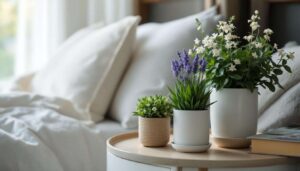
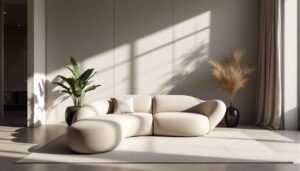
Biophilic design continues to gain momentum as homeowners seek deeper connections with nature. This approach goes beyond simply adding houseplants, encompassing architectural elements that blur the boundaries between indoor and outdoor spaces. Large windows, living walls, and natural ventilation systems create environments that promote mental clarity and physical health. Designers are incorporating organic shapes and natural textures throughout interiors, from curved furniture silhouettes to stone accent walls that evoke the serenity of natural landscapes.
Sustainable material choices
The emphasis on environmental responsibility is driving material selection in unprecedented ways. Designers are prioritising:
- Locally sourced timber and stone to reduce carbon footprints
- Low-VOC paints and finishes that improve indoor air quality
- Natural fibres such as linen, wool, and jute for soft furnishings
- Cork and bamboo as renewable alternatives to traditional materials
This commitment to sustainable sourcing reflects a growing awareness that beautiful design should not come at the expense of environmental degradation. These choices also tend to create warmer, more inviting spaces that age gracefully over time.
As homes become more attuned to natural principles, technology is simultaneously reshaping how we interact with our living spaces.
Technology and the connected home
Seamless smart home integration
The connected home is evolving from a novelty to an expectation, with invisible technology becoming the new standard. Designers are working to integrate smart systems without compromising aesthetic integrity, concealing sensors and controls within architectural elements. Voice-activated systems, automated lighting that adjusts to circadian rhythms, and climate control that learns household patterns are becoming standard features rather than luxury additions.
Wellness-focused technology
Beyond convenience, technology is increasingly focused on health and wellbeing. Air purification systems, water filtration, and lighting that mimics natural daylight patterns are being seamlessly incorporated into home designs. Smart mirrors that monitor health metrics and adjustable furniture that promotes ergonomic positioning represent the intersection of technology and personal care. These innovations support healthier lifestyles whilst maintaining the visual harmony of interior spaces.
Whilst technology adds complexity, another trend is moving in the opposite direction, championing simplicity and spatial clarity.
Minimalism and open space
Functional simplicity
The minimalist movement is maturing beyond stark white rooms into thoughtfully curated spaces that prioritise quality over quantity. This refined approach emphasises carefully selected pieces that serve multiple functions, reducing clutter whilst maximising utility. Built-in storage solutions, hidden compartments, and furniture with clean lines create environments that feel spacious and calming. The focus is on creating breathing room within the home, allowing each element to make a deliberate contribution to the overall design.
Open-plan living reimagined
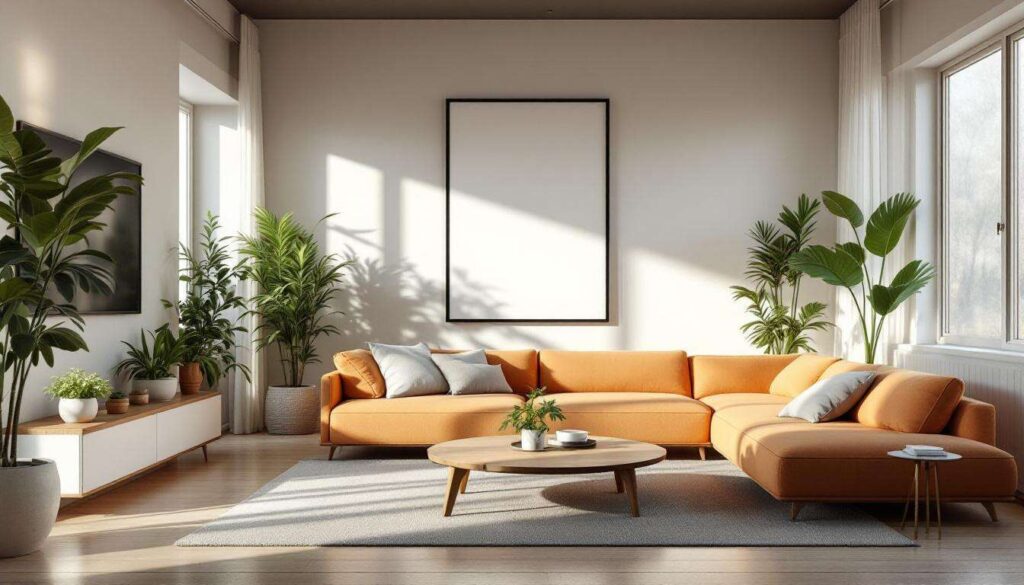
Open-plan layouts are being reconsidered with greater attention to flexible zoning. Rather than completely open expanses, designers are creating spaces that can adapt to different needs:
- Sliding panels and moveable partitions that offer privacy when needed
- Furniture arrangements that define distinct areas without walls
- Varied ceiling heights and floor levels to delineate spaces
- Strategic lighting to create visual separation between zones
This approach maintains the sense of spaciousness whilst acknowledging the practical need for defined areas, particularly as more people work from home.
However, minimalism is not the only direction gaining traction, as many designers are embracing expressive colour and pattern.
Bold colours and artistic patterns
Courageous colour palettes
After years of neutral dominance, saturated hues are making a confident return. Deep jewel tones, earthy terracottas, and vibrant blues are appearing on walls, cabinetry, and statement furniture pieces. Designers are encouraging homeowners to embrace colour as a form of personal expression, creating spaces that reflect individual personalities rather than following prescriptive trends. The key is balancing bold choices with neutral elements to prevent visual overwhelm.
Pattern as storytelling
Patterns are being used with renewed creativity, from geometric wallpapers to hand-painted tiles that serve as focal points. Mixing patterns of different scales and styles adds depth and character to interiors, transforming spaces into curated galleries. Textiles featuring abstract designs, botanical motifs, and cultural references bring narrative elements into the home, allowing rooms to tell stories about the inhabitants’ interests and heritage.
These expressive choices are being paired with materials that reflect environmental values and innovative production methods.
Eco-friendly and recycled materials
Circular design principles
The concept of circular economy is reshaping material selection, with designers seeking products that can be recycled, repurposed, or safely returned to the environment. Reclaimed wood, recycled glass surfaces, and upcycled textiles are gaining prominence not just for their environmental credentials but for their unique aesthetic qualities. Each piece carries a history, adding character and authenticity that new materials cannot replicate.
Innovative sustainable materials
Material innovation is producing exciting alternatives to conventional options:
| Material | Application | Benefit |
|---|---|---|
| Mycelium composites | Furniture, insulation | Biodegradable, rapidly renewable |
| Recycled ocean plastics | Textiles, surfaces | Waste reduction, durability |
| Hempcrete | Wall construction | Carbon-negative, excellent insulation |
| Terrazzo with recycled content | Flooring, countertops | Waste diversion, visual appeal |
These materials demonstrate that environmental responsibility and aesthetic excellence are not mutually exclusive but can enhance one another.
Alongside forward-looking materials, designers are also finding inspiration by looking backwards to beloved design eras.
Retro and nostalgia in design
Mid-century modern revival
The enduring appeal of mid-century design shows no signs of fading, with its emphasis on organic forms, functional beauty, and craftsmanship. Vintage pieces from this era are being integrated into contemporary settings, creating layered interiors that feel both timeless and current. Reproductions of iconic designs allow broader access to these aesthetics, though designers increasingly encourage sourcing authentic vintage pieces for their superior construction and sustainability credentials.
Eclectic nostalgia
Beyond specific eras, there is a broader movement towards nostalgic eclecticism that draws from multiple periods. This approach celebrates:
- Art Deco glamour with geometric patterns and luxurious materials
- Victorian detailing in mouldings and architectural features
- 1970s warmth through earthy tones and textured fabrics
- Industrial elements from early twentieth-century factories
This mixing of periods creates homes that feel collected over time rather than decorated all at once, lending authenticity and personal character to interiors. The trend reflects a desire for spaces that tell stories and evoke emotional connections rather than simply following contemporary fashions.
The design directions emerging for the coming years reveal a sophisticated balancing act between innovation and tradition, technology and nature, boldness and restraint. Sustainability has moved from niche concern to central principle, influencing everything from material selection to spatial planning. Technology continues to enhance functionality whilst designers work to maintain aesthetic integrity. Whether embracing minimalist calm or expressive colour, eco-friendly materials or nostalgic references, the overarching theme is intentionality. Homeowners are increasingly seeking spaces that reflect personal values, support wellbeing, and stand the test of time both aesthetically and environmentally. These trends offer diverse pathways for creating homes that are not only beautiful but meaningful, adaptable, and responsible.