



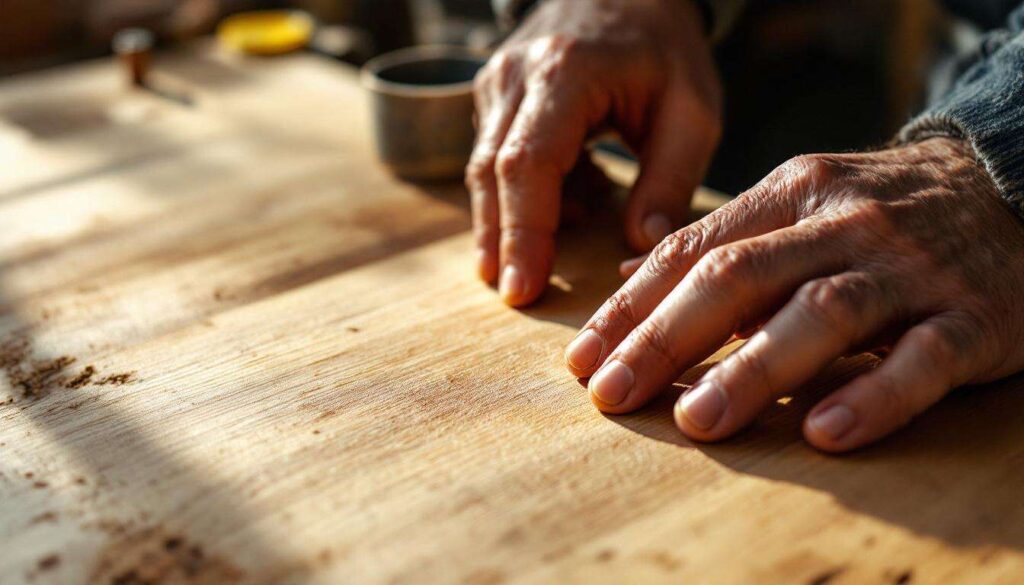
Wooden furniture and flooring add warmth and character to any home, but scratches can quickly diminish their appeal. Whether caused by pets, furniture movement, or everyday wear, these blemishes need not be permanent. Professional carpenters have developed efficient techniques to restore wood surfaces to their former glory, often requiring just a few simple materials and minimal time investment.
Understanding types of scratches on wood
Surface scratches versus deep gouges
Not all scratches affect wood in the same way. Surface scratches only penetrate the protective finish layer without reaching the actual wood beneath. These appear as light marks that catch the light at certain angles and are generally the easiest to remedy. Deep scratches, conversely, cut through the finish and into the wood fibres themselves, creating visible grooves that may expose lighter or darker wood tones depending on the species.
Identifying scratch severity
Before attempting any repair, assess the damage carefully. Run your fingernail across the affected area to determine depth. If your nail catches in the groove, the scratch has likely penetrated beyond the surface finish. The colour difference between the scratch and surrounding wood also provides valuable information about severity.
| Scratch Type | Characteristics | Repair Difficulty |
|---|---|---|
| Superficial | Only affects finish, barely visible | Easy |
| Moderate | Visible line, slight depth | Moderate |
| Deep | Noticeable groove, colour change | Challenging |
Understanding these distinctions helps determine which repair method will prove most effective for your particular situation.
The tools needed to fix scratches
Essential items for scratch repair
Professional carpenters rely on a surprisingly modest toolkit for most scratch repairs. Walnuts serve as a natural solution for minor scratches, as their oils darken and fill shallow marks. Commercial wood markers and wax sticks offer colour-matched solutions for various wood tones. Steel wool in fine grades (0000) helps blend repairs seamlessly into surrounding areas.
- Microfibre cloths for cleaning and buffing
- Wood stain markers in matching colours
- Furniture wax or paste wax
- Fine-grit sandpaper (220-320 grit)
- Wood filler for deeper scratches
- Mineral spirits or white spirit for cleaning
Optional professional-grade materials
For more extensive repairs, carpenters may employ shellac sticks in various colours, which are melted into scratches using a heated knife. Touch-up pens designed specifically for furniture provide precision application. Polyurethane or lacquer in spray form can restore protective coatings after repair work.
Having the right tools at hand ensures you can address scratches immediately rather than allowing them to worsen over time.
Professional tips to erase scratches
The walnut technique for light scratches
One of the most effective natural remedies involves using a walnut kernel. Simply rub the nut meat directly along the scratch in the direction of the wood grain. The natural oils released from the walnut penetrate the wood fibres, darkening the scratch to match the surrounding finish. This method works particularly well on medium to dark woods such as walnut, mahogany, and cherry.
The mayonnaise method
Surprisingly, mayonnaise can repair minor scratches effectively. Apply a generous amount to the affected area and leave overnight. The oils in mayonnaise penetrate the wood, causing it to swell slightly and close minor gaps. Wipe away excess in the morning and buff with a soft cloth. This technique proves especially useful for antique furniture where maintaining original finishes is paramount.
Commercial solutions that work
Wood markers and wax sticks provide reliable results for visible scratches. Choose a colour slightly lighter than your wood, as it will darken once applied. Apply in thin layers, building up colour gradually rather than attempting to match in one application. Blend the edges carefully using a soft cloth to avoid creating obvious repair boundaries.
These proven techniques form the foundation for successful scratch removal, but proper surface preparation ensures optimal results.
How to prepare the wooden surface before repair
Cleaning the affected area thoroughly
Begin by removing all dust, dirt, and polish buildup from the scratched area. Use a cloth dampened with mineral spirits to clean a small area around the scratch. This step is crucial because any contaminants will prevent repair materials from adhering properly. Allow the surface to dry completely before proceeding with repairs.
Assessing the finish type
Different wood finishes require different approaches. Test an inconspicuous area to determine whether your furniture has an oil, wax, shellac, lacquer, or polyurethane finish. Place a small drop of denatured alcohol on the hidden spot and observe the reaction:
- If the finish dissolves, it is shellac
- If it becomes sticky but does not dissolve, it is lacquer
- If nothing happens, it is likely polyurethane or varnish
Creating the right environment
Temperature and humidity affect repair success. Work in a space with moderate temperature between 18-24°C and relative humidity around 40-60%. Extreme conditions can prevent materials from setting properly or cause wood to expand and contract during the repair process.
With the surface properly prepared, you can now apply the specific repair method that best suits your scratch type.
Applying the carpenters’ method step by step
For superficial scratches
Start by rubbing the scratch gently with 0000-grade steel wool following the grain direction. This removes any raised fibres and smooths the damaged finish. Next, apply your chosen remedy, whether walnut, commercial marker, or wax stick. Work the material into the scratch using circular motions, then blend along the grain. Buff with a clean microfibre cloth until the repair blends seamlessly.
For moderate to deep scratches
Deeper damage requires a more involved approach. First, use fine-grit sandpaper to smooth any splintered wood fibres within the scratch. Apply wood filler slightly overfilled to account for shrinkage as it dries. Once completely dry, sand flush with the surrounding surface using 320-grit sandpaper. Apply matching stain if necessary, then seal with an appropriate finish.
The finishing touches
Regardless of the method used, always finish by applying a protective coating. For oil finishes, use linseed or tung oil. For wax finishes, apply paste wax and buff to a shine. For modern polyurethane finishes, use a small brush to apply thin coats, allowing each to dry before adding the next. Feather the edges of your repair to blend with the existing finish.
Once repairs are complete, proper maintenance ensures your wood remains beautiful for years to come.
Maintaining and protecting your wood after treatment
Regular cleaning routines
Establish a consistent cleaning schedule to prevent future damage. Dust wooden surfaces weekly using a slightly damp microfibre cloth, always following the grain direction. Avoid excessive water, which can damage finishes and raise wood grain. For deeper cleaning, use products specifically formulated for your finish type rather than general-purpose cleaners.
Preventative measures
Protection proves easier than repair. Place felt pads under furniture legs and decorative objects. Use coasters under glasses and placemats under dishes. Keep wood away from direct sunlight, which causes fading and drying. Maintain consistent indoor humidity levels to prevent wood expansion and contraction that leads to cracking.
- Apply fresh wax or polish every three to six months
- Reapply oil finishes annually or when wood appears dry
- Inspect regularly for early signs of wear or damage
- Address small scratches immediately before they worsen
Long-term care strategies
Consider professional refinishing every decade for heavily used pieces. This involves stripping old finish, sanding, staining if desired, and applying fresh protective coatings. Between professional treatments, touch up minor wear using the techniques described earlier. Quality wood furniture can last generations with proper care and timely attention to minor damage.
Scratches in wood need not spell disaster for beloved furniture or flooring. Armed with knowledge about scratch types, appropriate tools, and proven repair techniques, anyone can restore wooden surfaces to their original beauty. The carpenters’ methods outlined here offer practical solutions ranging from simple natural remedies to more involved repairs for deeper damage. Regular maintenance and preventative measures ensure wood remains pristine, whilst prompt attention to minor scratches prevents them from becoming major problems. By investing a small amount of time and effort into proper wood care, you protect your investment and preserve the natural beauty that makes wooden pieces so cherished in homes.