
Bathroom design evolves constantly, with trends rising and falling as homeowners seek fresh aesthetics and improved functionality. What seemed cutting-edge just a few years ago can quickly appear dated as new materials, technologies and design philosophies emerge. Interior designers are now identifying several bathroom features that dominated recent years but are poised to lose their appeal. Understanding these shifting preferences helps homeowners make informed decisions when planning renovations, ensuring their spaces remain stylish and relevant for years to come.
Metro Tiles: a Style Past Its Prime
The Ubiquity Problem
Metro tiles, those rectangular ceramic tiles typically measuring 10cm by 20cm, have saturated the bathroom market to such an extent that their presence no longer creates visual interest. Originally inspired by Parisian and London underground stations, these tiles became the default choice for countless renovations throughout the past decade. Designers now report that clients actively request alternatives, seeking distinctive character rather than predictable patterns.
The overexposure of metro tiles has transformed them from a contemporary choice into a marker of dated design thinking. Their association with rental properties and budget renovations has further diminished their desirability amongst homeowners pursuing individual expression.
Emerging Alternatives
Forward-thinking designers are championing several replacement options that offer greater visual sophistication:
- Large-format porcelain slabs that minimise grout lines and create seamless surfaces
- Textured three-dimensional tiles that add tactile depth
- Zellige tiles with handcrafted imperfections and organic glazes
- Terrazzo finishes that introduce colour and pattern through aggregated materials
- Natural stone with distinctive veining and geological character
These alternatives provide architectural interest whilst avoiding the monotony that metro tiles now represent. The shift reflects a broader movement towards materials that showcase craftsmanship and uniqueness rather than industrial uniformity.
As bathroom aesthetics move away from predictable tiling patterns, attention turns to the metallic finishes that have similarly dominated recent design schemes.
Gold Fixtures: Losing Popularity
The Saturation of Warm Metallics
Gold, brass and rose gold fixtures experienced a dramatic surge in popularity as homeowners sought alternatives to chrome and nickel. However, this trend has reached saturation point, with designers noting that these warm metallics now feel overly trendy rather than timeless. The association with specific design eras makes gold fixtures particularly vulnerable to appearing dated as aesthetic preferences evolve.
The maintenance challenges associated with gold finishes have also contributed to their declining appeal. These surfaces show water spots, fingerprints and tarnishing more readily than cooler metallics, requiring constant attention to maintain their appearance.
The Return to Classic Finishes
Designers report renewed interest in several alternative finishes that offer greater longevity:
| Finish Type | Key Advantages | Design Compatibility |
|---|---|---|
| Brushed Nickel | Minimal maintenance, hides fingerprints | Versatile across styles |
| Matte Black | Contemporary aesthetic, strong contrast | Modern and industrial schemes |
| Polished Chrome | Timeless appearance, easy cleaning | Traditional and transitional designs |
| Unlacquered Brass | Develops natural patina, authentic character | Period and eclectic interiors |
The movement away from gold fixtures reflects a desire for understated elegance rather than conspicuous trendiness. Homeowners increasingly prioritise finishes that complement rather than dominate their bathroom schemes.
Beyond surface finishes, the fundamental fixtures themselves face scrutiny as designers reassess the practicality of statement pieces.
Freestanding Tubs: Heading for Reduction
Practical Limitations Emerge
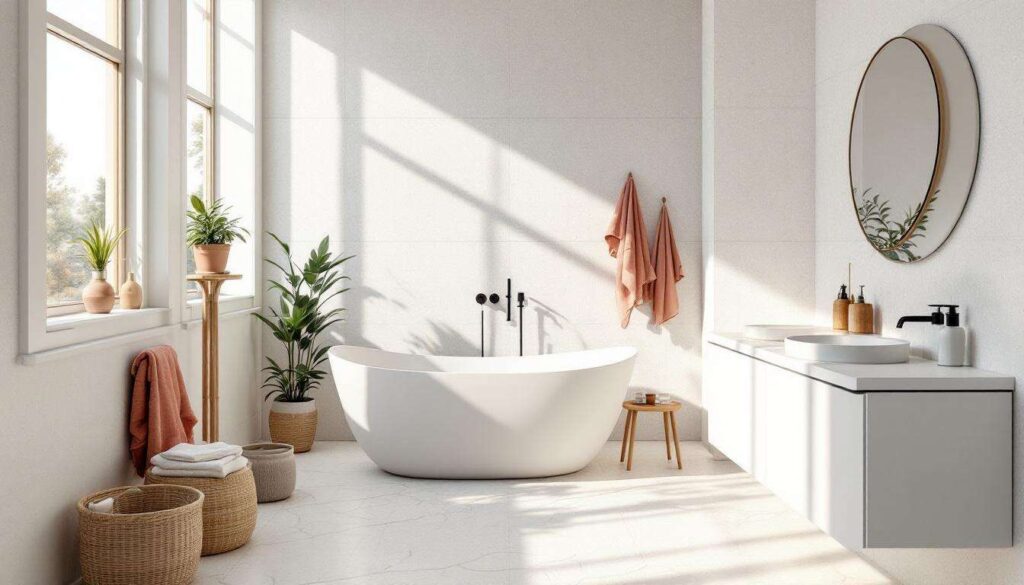
Freestanding tubs became the aspirational centrepiece of luxury bathroom renovations, symbolising spa-like indulgence and sophisticated design. However, designers now observe that many homeowners regret this choice after installation. The practical drawbacks have become increasingly apparent as the novelty fades.
Several functional concerns have emerged:
- Difficult cleaning access around and beneath the tub
- Substantial floor space requirements that compromise functionality
- Limited storage opportunities compared to built-in alternatives
- Challenging installation in bathrooms lacking central drainage
- Uncomfortable bathing positions in many sculptural designs
Space-Efficient Alternatives Gain Traction
The shift away from freestanding tubs reflects broader changes in lifestyle priorities. Many homeowners now prefer generous walk-in showers with multiple spray functions, heated floors and integrated seating. These installations offer daily practical benefits rather than occasional indulgence.
Where bathing remains important, designers recommend built-in tubs with deck-mounted fixtures, providing similar aesthetic appeal whilst maximising surrounding storage and counter space. This approach acknowledges that functional efficiency ultimately matters more than dramatic visual statements.
Just as fixture choices evolve, the technologies integrated into bathroom spaces also face reassessment as their limitations become apparent.
LED Lighting: the End of an Era
The Harsh Reality of LED Aesthetics
LED lighting strips and backlit mirrors became ubiquitous features in contemporary bathrooms, promising energy efficiency and modern aesthetics. However, designers increasingly criticise the harsh, unflattering quality of many LED installations. The cold blue-white light that characterises budget LED products creates an institutional atmosphere rather than the intended spa-like ambience.
The visual clutter of visible LED strips has also become problematic. What initially appeared sleek and technological now reads as dated and gimmicky, particularly when strips are poorly integrated into architectural details.
Sophisticated Lighting Approaches
Forward-thinking bathroom lighting now emphasises layered illumination with carefully considered colour temperatures:
- Recessed fixtures with adjustable colour temperature for task and ambient lighting
- Decorative wall sconces that provide flattering facial illumination
- Concealed cove lighting that creates indirect atmospheric effects
- Natural light maximisation through strategic window placement and skylights
- Dimmable systems that allow mood adjustment throughout the day
The emphasis has shifted from visible technology to invisible integration, where lighting enhances the space without announcing its presence. High-quality LED technology remains relevant when properly specified, but the aesthetic approach has fundamentally changed.
Lighting choices work in concert with colour selections, another area where designers observe significant shifts in preference and popularity.
Pastel Colours: Losing Momentum
The Decline of Soft Palettes
Pastel colours, particularly blush pinks, mint greens and powder blues, dominated bathroom design as homeowners sought gentle, soothing environments. However, designers report that these soft palettes now feel overly safe and lacking personality. The association with specific design movements and social media aesthetics has accelerated their decline.
The maintenance challenges of light colours in high-moisture environments have also contributed to their waning popularity. Pastel grout and paint show discolouration and mildew more readily than darker alternatives, creating ongoing maintenance burdens.
Bold Alternatives Taking Centre Stage
Emerging colour preferences reflect greater confidence and individuality:
| Colour Direction | Specific Examples | Design Impact |
|---|---|---|
| Deep Jewel Tones | Emerald, sapphire, amethyst | Creates drama and sophistication |
| Earthy Neutrals | Terracotta, ochre, warm greys | Provides warmth and grounding |
| Monochromatic Schemes | Layered whites and creams | Achieves timeless elegance |
| Charcoal and Black | Deep graphite, true black | Delivers contemporary edge |
The movement away from pastels signals a broader shift towards enduring design choices rather than fleeting trends. Homeowners increasingly recognise that neutral foundations with carefully considered accent colours offer greater longevity than palette-driven schemes.
Colour choices inevitably interact with pattern selections, where designers observe similar movements away from previously popular motifs.
Tropical Patterns: a Trend Losing Steam
The Oversaturation of Botanical Motifs
Tropical patterns featuring palm leaves, monstera plants and exotic birds flooded bathroom design as homeowners embraced maximalist aesthetics. However, this trend has rapidly exhausted its appeal through overexposure and predictability. What initially felt fresh and adventurous now appears formulaic and derivative.
Designers note that tropical patterns often clash with architectural contexts, creating disconnection between interior spaces and their surroundings. The Instagram-driven popularity of these motifs has also contributed to their rapid obsolescence.
Refined Pattern Approaches
Contemporary pattern preferences emphasise subtlety and sophistication:
- Geometric patterns with architectural precision and mathematical interest
- Organic abstract designs that suggest natural forms without literal representation
- Tonal patterns that create texture through subtle variation rather than contrast
- Classical motifs reinterpreted with contemporary sensibilities
- Artisanal patterns that showcase handcrafted techniques
The shift reflects a maturation of design thinking, moving beyond social media-driven aesthetics towards more considered, contextual choices. Patterns now serve to enhance architectural character rather than dominate spaces with attention-seeking graphics.
Bathroom design continues its evolution as homeowners and designers reassess choices that dominated recent years. The trends facing obsolescence share common characteristics: oversaturation through social media exposure, practical limitations that emerge with daily use, and aesthetic approaches that prioritise novelty over enduring appeal. Moving forward, successful bathroom design emphasises timeless materials, functional efficiency and individual expression rather than following prescriptive trends. The most resilient spaces balance contemporary sensibilities with classic principles, creating environments that remain relevant regardless of shifting fashions. Understanding these patterns helps homeowners make investments that deliver lasting satisfaction rather than temporary trendiness.