



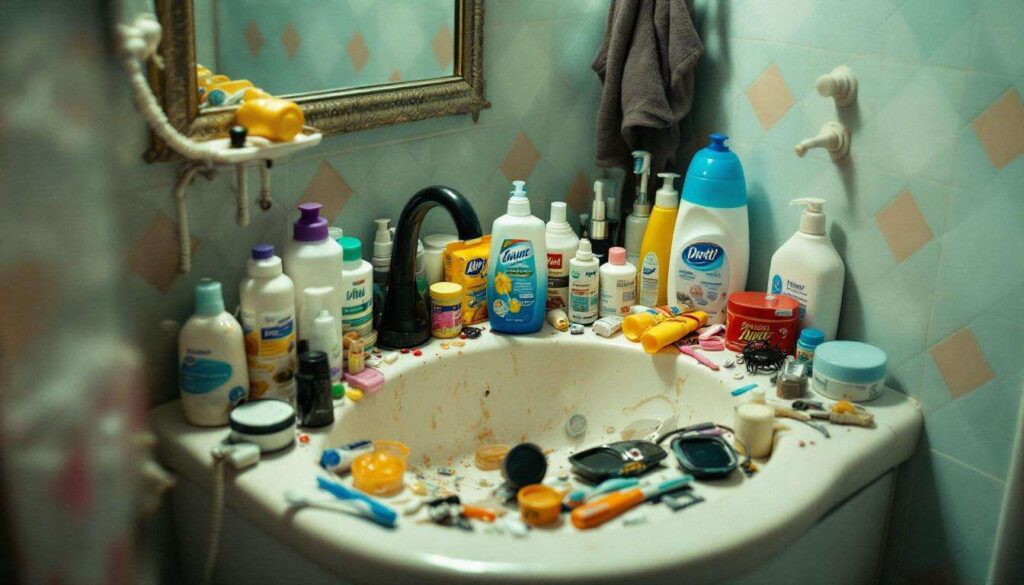
Bathrooms accumulate clutter faster than almost any other room in the home. From half-empty bottles to expired products, the space beneath sinks and inside cabinets can quickly become overwhelming. A streamlined bathroom not only looks more appealing but also makes daily routines more efficient. By identifying and removing items that no longer serve a purpose, you can reclaim valuable storage space and create a more organised, functional environment. The following guide highlights twelve categories of items worth removing to achieve a clutter-free bathroom that supports both practicality and peace of mind.
Expired beauty products
Understanding product expiry dates
Beauty products contain active ingredients that degrade over time, losing effectiveness and potentially becoming harmful. Most items feature a PAO symbol (period after opening) on their packaging, indicating how many months they remain safe to use once opened. Mascara typically lasts three months, whilst foundation can remain viable for up to twelve months. Ignoring these guidelines can lead to skin irritation, infections, or breakouts.
Signs your products have expired
Beyond printed dates, physical changes indicate when beauty products have passed their prime. Watch for these warning signs:
- Separation of liquids or unusual consistency changes
- Unpleasant or rancid odours
- Colour alterations or discolouration
- Mould or bacterial growth
- Changes in texture or performance
Disposing of expired beauty products creates space for fresh, effective alternatives whilst protecting your skin from potential harm. Once you’ve cleared out old cosmetics, you’ll likely discover other pharmaceutical items requiring similar attention.
Outdated medications
Why medication expiry matters
Expired medications lose potency and may develop harmful chemical changes over time. The active ingredients break down, rendering treatments ineffective or potentially dangerous. Keeping outdated medicines poses risks, particularly if accidentally consumed during illness when you’re less attentive to checking dates.
Safe disposal methods
Never flush medications down the toilet or throw them in regular rubbish bins. Instead, consider these proper disposal options:
- Return medications to participating pharmacies with take-back programmes
- Check with local councils for designated disposal facilities
- Use medication disposal pouches that neutralise drugs
- Remove personal information from prescription labels before disposal
| Medication Type | Typical Shelf Life | Storage Recommendation |
|---|---|---|
| Tablets | 2-3 years | Cool, dry place |
| Liquid medicines | 1-2 years | Refrigerate if specified |
| Ointments | 1-3 years | Room temperature |
After addressing potentially hazardous expired items, turning attention to bulky textiles can significantly improve bathroom storage capacity.
Worn and bulky towels
Assessing towel condition
Towels deteriorate with repeated washing and use, becoming less absorbent and harbouring bacteria. Frayed edges, persistent musty odours, and rough texture indicate it’s time for replacement. Threadbare areas and permanent staining also signal that towels have exceeded their useful life.
The space-saving advantage
Oversized, thick towels consume disproportionate storage space whilst offering diminishing returns in comfort and functionality. Modern towels provide excellent absorbency without excessive bulk. Consider these space-efficient alternatives:
- Quick-dry microfibre towels that occupy less cupboard space
- Standard-sized towels rather than oversized bath sheets
- A capsule collection of matching towels rather than mismatched sets
Repurposing old towels
Rather than discarding worn towels, they can serve useful purposes outside the bathroom. Cut them into cleaning cloths, donate them to animal shelters, or use them as protective coverings during DIY projects. This approach reduces waste whilst clearing valuable storage space.
Beyond textiles, small promotional items often accumulate unnoticed, contributing to bathroom disorder.
Unused samples
The sample accumulation problem
Complimentary samples from hotels, beauty counters, and subscription boxes quickly multiply in bathroom drawers. These miniature products create visual clutter and make finding full-sized items difficult. Most samples remain unused because they’re inconvenient sizes or contain products you wouldn’t ordinarily purchase.
Making decisive choices
Evaluate each sample honestly. If you haven’t used it within three months of receiving it, you’re unlikely to use it at all. Exception: keep a small selection for travel purposes. Create a dedicated travel bag with your favourite samples, then discard the remainder.
- Test samples immediately upon receiving them
- Keep only samples matching your current routine
- Donate unopened samples to homeless shelters or women’s refuges
- Set a maximum number of samples allowed in your bathroom
Similar to samples, purchasing multiple versions of the same products creates unnecessary redundancy in bathroom storage.
Duplicate toiletries
Identifying unnecessary duplicates
Multiple bottles of identical shampoo, three half-used tubes of toothpaste, or several opened body washes represent common duplication patterns. This typically occurs when purchasing items without checking existing stock or when household members buy separately. Consolidating duplicates immediately frees storage space and prevents product waste.
Implementing a one-in-one-out system
Prevent future accumulation by adopting a replacement-only purchasing approach. Before buying new toiletries, finish existing products completely. This system maintains adequate supplies whilst preventing overflow.
| Product Category | Recommended Maximum | Rationale |
|---|---|---|
| Shampoo/Conditioner | 1 in use + 1 backup | Products expire; preferences change |
| Toothpaste | 1 in use + 1 backup | Long shelf life allows minimal stock |
| Body wash | 1 in use | Single bottle lasts several weeks |
Whilst duplicates represent practical excess, cosmetic collections often contain items that serve no functional purpose whatsoever.
Unused or excessive cosmetics
Confronting cosmetic overload
Makeup collections expand through impulse purchases, gifts, and trend-chasing, resulting in drawers packed with barely-used products. Eyeshadow palettes with only two colours touched, lipsticks in unflattering shades, and dried-out mascaras occupy valuable space whilst contributing nothing to your routine.
Curating a functional collection
Assess each cosmetic item critically. If you haven’t reached for it in the past month, you’re unlikely to use it regularly. Quality over quantity applies particularly to cosmetics, where a small selection of versatile, frequently-used products proves more valuable than extensive collections gathering dust.
- Keep only colours that complement your skin tone
- Retain products that suit your current lifestyle and routine
- Discard dried-out or separated formulas regardless of cost
- Limit each category to your genuine favourites
Preventing future accumulation
Implement strategies to maintain a streamlined cosmetics collection. Before purchasing new items, identify what you’ll stop using. Resist promotional offers that encourage stockpiling products you don’t need. Consider creating a wishlist with a cooling-off period before purchases, allowing impulse desires to fade.
A decluttered bathroom transforms daily routines from frustrating searches through chaos into efficient, pleasant experiences. By systematically removing expired products, outdated medications, worn textiles, unused samples, duplicate toiletries, and excessive cosmetics, you create a functional space that supports rather than hinders your morning and evening rituals. The key lies not merely in removing items once, but in establishing sustainable habits that prevent future accumulation. Regular quarterly reviews, mindful purchasing decisions, and honest assessments of what you actually use maintain the clarity and calm of a thoughtfully organised bathroom. This investment in organisation pays dividends through reduced stress, improved hygiene, and the simple pleasure of knowing exactly where everything is when you need it.