



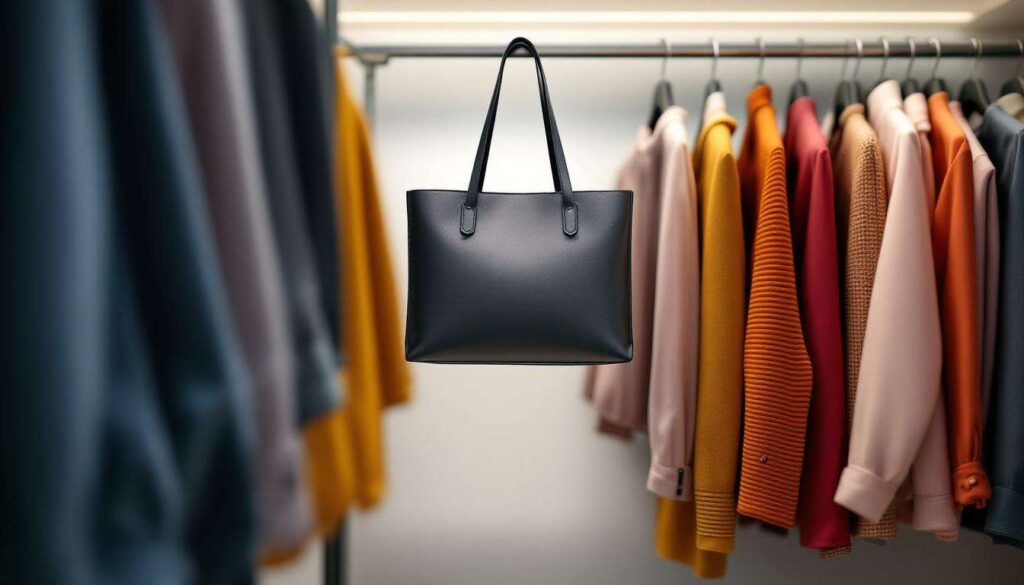
Musty odours and damp clothing are persistent problems that plague wardrobes across the country, particularly in homes with poor ventilation or high humidity levels. Traditional solutions often involve chemical dehumidifiers or electric appliances that consume energy and require regular refilling. However, a natural alternative has gained considerable attention: activated charcoal bags. These unassuming pouches harness the power of carbon to trap moisture and eliminate unpleasant smells, offering a sustainable and effective method for maintaining fresh, dry wardrobes without the need for electricity or synthetic chemicals.
Understanding the origin of moisture in wardrobes
Common sources of wardrobe dampness
Moisture accumulation in wardrobes stems from various sources that homeowners often overlook. Poor air circulation remains the primary culprit, as closed wardrobe doors prevent fresh air from reaching stored garments. When combined with external factors, this creates an environment conducive to dampness and mould growth.
Several specific conditions contribute to wardrobe moisture:
- Condensation forming on cold exterior walls during winter months
- Steam from adjacent bathrooms seeping through walls or doorways
- Damp clothing placed in wardrobes before fully drying
- Ground-floor locations with rising damp from foundations
- Leaking pipes or roofs allowing water ingress
The consequences of excess humidity
When moisture levels exceed comfortable thresholds, the effects become immediately noticeable. Musty odours develop as bacteria and mould spores multiply in the damp environment, penetrating fabrics and becoming increasingly difficult to remove. Clothing may feel clammy to the touch, whilst leather goods can develop mildew spots that permanently damage their appearance.
Beyond the unpleasant smell, sustained exposure to high humidity can compromise the structural integrity of natural fibres, weakening cotton, wool and silk garments over time. This deterioration not only shortens the lifespan of clothing but also creates potential health concerns for individuals sensitive to mould spores.
Addressing these moisture issues requires understanding not just their origins but also the mechanisms by which effective solutions work, particularly those based on natural absorption principles.
The properties of activated charcoal
What makes charcoal ‘activated’
Activated charcoal differs fundamentally from the ordinary charcoal used for barbecues. The activation process involves heating carbon-rich materials such as bamboo, coconut shells or wood to extremely high temperatures in the presence of oxidising gases. This treatment creates an extensive network of microscopic pores throughout the material, dramatically increasing its surface area.
A single gramme of activated charcoal can possess a surface area exceeding 3,000 square metres, equivalent to roughly half a football pitch. This extraordinary porosity enables the material to trap molecules through a process called adsorption, where particles adhere to the surface rather than being absorbed into the bulk material.
The science behind carbon’s absorptive capacity
The effectiveness of activated charcoal stems from its unique molecular structure. Each tiny pore acts as a trap for various molecules, including water vapour, volatile organic compounds and odour-causing particles. The carbon atoms on the surface possess unsatisfied valence electrons, creating weak attractive forces that bind passing molecules.
This natural affinity for moisture and odours makes activated charcoal particularly suitable for enclosed spaces where air circulation is limited. Unlike chemical desiccants that may release harmful substances, charcoal remains completely inert and safe for direct contact with clothing and textiles.
These inherent properties explain why charcoal has emerged as a preferred solution, but the specific mechanisms of moisture absorption warrant closer examination.
How charcoal absorbs moisture
The adsorption process explained
When charcoal bags are placed in wardrobes, they immediately begin interacting with the surrounding air. Water molecules naturally present in humid air come into contact with the charcoal’s porous surface. The van der Waals forces between the carbon atoms and water molecules cause the moisture to adhere to the internal surfaces of the countless microscopic pores.
This process continues until the charcoal reaches equilibrium with the surrounding environment. As humidity levels fluctuate, the charcoal responds dynamically, releasing moisture when the air becomes drier and absorbing more when humidity increases. This self-regulating behaviour makes charcoal bags particularly effective for maintaining stable humidity levels.
Capacity and saturation considerations
The moisture-absorbing capacity of charcoal bags depends on several factors:
- The total mass of activated charcoal in the bag
- The quality and activation level of the carbon material
- The ambient humidity and temperature conditions
- The frequency of regeneration through sun exposure
Most charcoal bags designed for wardrobe use contain between 200 and 500 grammes of activated charcoal. Under typical household conditions, this quantity can effectively manage moisture in spaces ranging from small cupboards to large walk-in wardrobes. However, severely damp environments may require multiple bags or supplementary moisture control measures.
Beyond their functional effectiveness, charcoal bags offer environmental advantages that distinguish them from conventional alternatives.
The ecological benefits of charcoal bags
Sustainability and renewable materials
The environmental credentials of charcoal bags begin with their raw materials. Manufacturers typically source activated charcoal from rapidly renewable resources such as bamboo, which can reach maturity in three to five years, or coconut shells, which represent a byproduct of existing agricultural operations. This contrasts sharply with synthetic moisture absorbers derived from petroleum-based chemicals.
The production process, whilst energy-intensive, generates minimal waste. Bamboo charcoal production facilities often utilise the gases released during carbonisation to fuel the heating process, creating a partially self-sustaining cycle that reduces overall energy consumption.
Reusability and longevity
Perhaps the most significant ecological advantage lies in the reusability of charcoal bags. Unlike disposable silica gel packets or chemical dehumidifiers that require constant replacement, activated charcoal can be regenerated through simple sun exposure. Placing the bags in direct sunlight for several hours releases trapped moisture, restoring their absorptive capacity.
| Product type | Lifespan | Disposal impact |
|---|---|---|
| Charcoal bags | 2 years | Biodegradable, can be used as garden fertiliser |
| Silica gel packets | Single use | Landfill waste, non-biodegradable |
| Chemical dehumidifiers | 4-6 weeks | Liquid waste disposal required |
At the end of their useful life, charcoal bags can be opened and the contents scattered in gardens, where the carbon enriches soil structure and aids water retention. This cradle-to-cradle approach eliminates waste entirely, aligning with circular economy principles.
Understanding these benefits naturally leads to practical questions about implementation and care.
Using and maintaining charcoal bags in your closets
Optimal placement strategies
Effective use of charcoal bags requires strategic positioning within wardrobes. Place bags on upper shelves where warm, moisture-laden air naturally rises, or distribute them evenly throughout larger spaces to ensure comprehensive coverage. For wardrobes with particular problem areas, such as corners with poor air circulation, dedicated bag placement can target these specific zones.
The number of bags required depends on wardrobe size and existing moisture levels. As a general guideline, one 200-gramme bag suffices for approximately 0.5 cubic metres of space. Larger walk-in wardrobes may benefit from three to five bags positioned strategically throughout the area.
Regeneration and replacement schedule
Maintaining charcoal bags requires minimal effort but consistent attention. Every four to six weeks, remove the bags and place them outdoors in direct sunlight for at least two hours. This exposure allows accumulated moisture to evaporate, restoring the charcoal’s absorptive capacity. On overcast days, placing bags near radiators or in warm, well-ventilated areas provides an alternative regeneration method.
Visual indicators can help determine when regeneration is necessary:
- Bags feeling noticeably heavier than when new
- Return of musty odours in the wardrobe
- Condensation appearing on wardrobe surfaces
After approximately two years of regular use and regeneration, the charcoal’s effectiveness diminishes as pores become permanently clogged. At this point, replacement becomes necessary, though the spent charcoal retains value as a soil amendment for gardens.
When considering moisture control options, comparing charcoal bags with alternative solutions provides valuable context for decision-making.
Comparison with other moisture solutions
Chemical desiccants versus natural alternatives
Calcium chloride-based dehumidifiers represent the most common alternative to charcoal bags. These products absorb moisture through a chemical reaction that converts the solid crystals into liquid brine. Whilst highly effective at extracting large quantities of water, they present several disadvantages. The resulting liquid requires careful disposal, the containers need regular emptying, and accidental spillage can damage clothing and wardrobe surfaces.
Silica gel packets, though familiar from product packaging, prove impractical for wardrobe use due to their limited capacity and single-use nature. The quantity required to meaningfully impact wardrobe humidity would be substantial and economically unviable.
Electric dehumidifiers and energy considerations
Electric dehumidifiers offer powerful moisture removal but at considerable cost. Beyond the initial purchase price, these appliances consume electricity continuously, adding to household energy bills. They also require regular maintenance, including filter cleaning and water tank emptying. For wardrobe applications, their size often proves prohibitive, and the noise generated by compressor models can be disruptive in bedroom settings.
| Solution | Initial cost | Running cost | Maintenance |
|---|---|---|---|
| Charcoal bags | £8-15 | None | Monthly sunning |
| Chemical dehumidifier | £5-10 | £3-5 monthly refills | Weekly emptying |
| Electric dehumidifier | £80-200 | £15-30 monthly electricity | Filter cleaning, tank emptying |
Charcoal bags occupy a middle ground, offering sufficient moisture control for typical wardrobe applications without the ongoing costs or maintenance demands of more intensive solutions. Their passive operation and natural composition make them particularly suitable for enclosed spaces where chemical exposure or electrical safety might be concerns.
The combination of effectiveness, sustainability and practicality positions activated charcoal bags as a compelling solution for wardrobe moisture management. Their natural properties harness fundamental physical principles to create dry, fresh-smelling storage spaces without relying on electricity or synthetic chemicals. Whilst not appropriate for severe dampness requiring professional remediation, these bags address the common moisture challenges that affect countless wardrobes. Their reusability and eventual biodegradability align with growing environmental consciousness, offering a practical way to maintain clothing quality whilst minimising ecological impact. For households seeking a straightforward, cost-effective approach to eliminating wardrobe mustiness, charcoal bags represent a solution grounded in both scientific principle and environmental responsibility.