
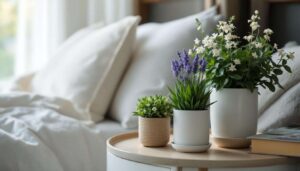

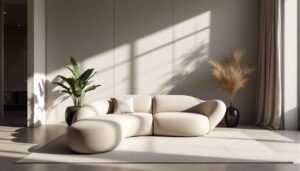
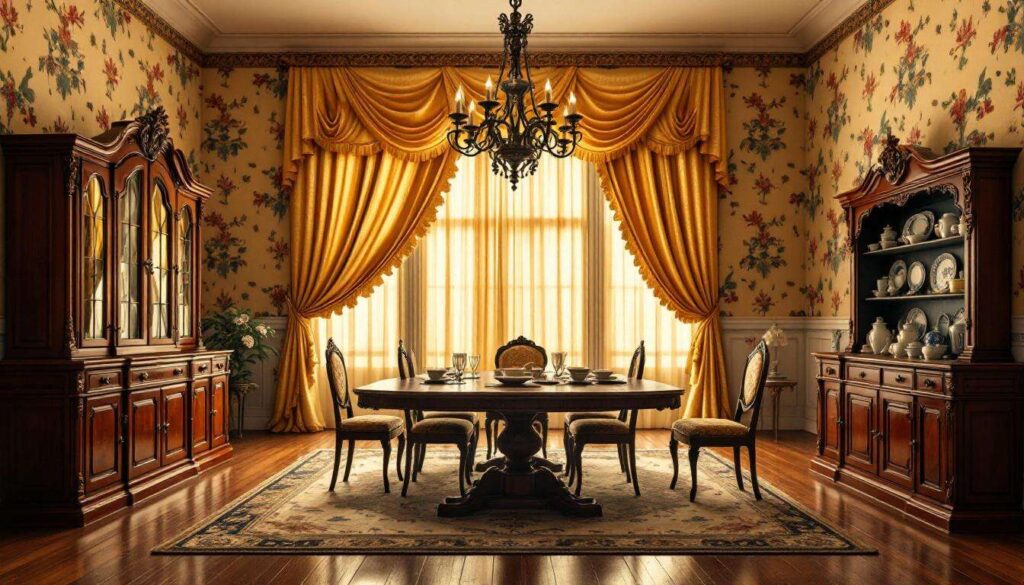
The dining room remains one of the most important spaces in any home, serving as a gathering place for meals, celebrations, and meaningful conversations. However, design trends evolve rapidly, and what once seemed stylish can quickly appear tired and outdated. Interior designers are now identifying specific features that no longer serve contemporary aesthetics or functional needs. Recognising these outdated elements is the first step towards creating a dining space that feels fresh, inviting, and aligned with current design sensibilities.
Outdated illumination: rethinking dining room lighting fixtures
The problem with traditional chandeliers
Oversized, ornate chandeliers that once dominated dining rooms have fallen out of favour with contemporary designers. These heavily embellished fixtures often feel disproportionate in modern homes, where ceilings may be lower and spaces more compact. The traditional crystal chandelier, whilst elegant in period properties, can appear incongruous in contemporary settings, creating a visual disconnect between the lighting and the overall design scheme.
Modern lighting alternatives
Designers now recommend several approaches to dining room illumination that better suit current tastes:
- Linear pendant lights that create a sleek, architectural statement
- Clustered pendants at varying heights for visual interest
- Statement sculptural pieces that serve as art installations
- Recessed lighting combined with dimmable wall sconces
- Natural materials such as rattan, wood, or woven fibres
The key is to select fixtures that provide adequate illumination whilst complementing the room’s proportions and style. Layered lighting schemes, incorporating ambient, task, and accent lighting, offer greater flexibility and create a more sophisticated atmosphere than a single overhead fixture.
Understanding how lighting affects the overall ambience naturally leads to considering another crucial element that shapes the dining room’s character.
Overused colours: choosing a modern palette
Colours that have lost their appeal
Certain colour schemes have become synonymous with dated interiors. Designers particularly advise moving away from:
- Tuscan-inspired terracotta and burnt orange combinations
- Heavy burgundy and forest green pairings
- Yellow-toned beiges that create a dull atmosphere
- Overly coordinated colour schemes with matching walls and furnishings
Contemporary colour approaches
Modern dining rooms embrace more nuanced palettes that create depth without overwhelming the space. Designers favour:
| Colour approach | Effect | Best for |
|---|---|---|
| Soft neutrals with warm undertones | Creates calm, sophisticated atmosphere | Smaller dining spaces |
| Deep, moody tones (charcoal, navy) | Adds drama and intimacy | Larger rooms with good natural light |
| Monochromatic schemes with texture | Provides visual interest without colour | Minimalist aesthetics |
| Accent walls in terracotta or sage | Introduces colour without commitment | Transitional spaces |
The emphasis is on creating subtle sophistication rather than bold statements, allowing the dining experience and the people gathered around the table to take centre stage.
Just as colour choices influence the room’s atmosphere, the furniture selected plays an equally significant role in determining whether a space feels current or outdated.
Bulky furniture: opting for lightness and functionality
The burden of oversized dining sets
Massive dining tables with thick, ornate legs and matching high-backed chairs create a heavy, imposing presence that feels out of step with contemporary living. These substantial pieces often overwhelm the room, making it feel smaller and less inviting. Dark wood finishes in traditional styles compound this effect, creating spaces that feel closed-in and formal rather than welcoming and versatile.
Streamlined furniture solutions
Modern dining rooms benefit from furniture that prioritises visual lightness and adaptability:
- Tables with slender legs or pedestal bases that reveal more floor space
- Extendable designs that accommodate varying numbers of guests
- Mixed seating arrangements combining chairs and benches
- Transparent or semi-transparent materials such as glass or acrylic
- Furniture with exposed legs rather than heavy skirts or aprons
The goal is to create a sense of spaciousness and flexibility whilst maintaining functionality. Furniture should facilitate movement and conversation rather than dominating the room or restricting its use to formal occasions only.
Beyond the furniture itself, what adorns these pieces and the surrounding space requires equally careful consideration to avoid an outdated appearance.
Excessive ornaments: prioritising minimalism
The clutter of over-decoration
Dining rooms laden with decorative objects, elaborate centrepieces, and collections displayed on every surface create visual chaos rather than elegance. Designers identify several problematic decorative habits:
- Permanent formal centrepieces that prevent practical table use
- Matching sets of everything, from candlesticks to place settings
- Walls covered with decorative plates or themed artwork
- Excessive window treatments with swags, valances, and tassels
- Seasonal decorations that remain displayed year-round
Curated minimalism
Contemporary dining spaces embrace a more restrained approach to decoration, focusing on quality over quantity. This doesn’t mean eliminating all decorative elements, but rather being intentional about what remains:
| Instead of | Consider |
|---|---|
| Multiple small decorative objects | One statement piece or sculptural element |
| Elaborate permanent centrepieces | Simple, changeable arrangements |
| Heavy curtains with embellishments | Simple linen panels or sleek blinds |
| Gallery walls of themed prints | Single large-scale artwork |
The emphasis is on creating breathing room that allows the architecture, furniture, and the dining experience itself to shine without competing with unnecessary decorative elements.
Whilst what sits atop surfaces matters greatly, the surfaces themselves require attention to ensure the entire room feels cohesive and current.
Outmoded finishes: modernising walls and floors
Dated surface treatments
Certain wall and floor finishes immediately signal an outdated interior. Designers particularly recommend moving away from:
- Faux finishing techniques such as sponge painting or rag rolling
- Chair rails with contrasting colours above and below
- Glossy, honey-toned wood flooring
- Busy wallpaper patterns covering all walls
- Textured ceiling treatments or popcorn finishes
Contemporary surface solutions
Modern dining rooms feature cleaner, more sophisticated finishes that provide texture and interest without overwhelming the space. Flat or eggshell paint finishes in carefully chosen colours create a refined backdrop. When wallpaper is used, it typically appears on a single accent wall in subtle patterns or textures rather than covering the entire room.
Flooring choices have shifted towards wider planks in lighter or greyed tones, matte finishes that feel more natural, and materials such as limestone or concrete that add industrial elegance. The goal is to create surfaces that support the overall design without demanding attention or feeling overly decorated.
Even with updated individual elements, a dining room can still feel dated if these components don’t work together in a thoughtful way.
Unified styles: mixing trends for more originality
The problem with matchy-matchy design
Dining room sets where every piece coordinates perfectly create a showroom appearance that lacks personality and warmth. This approach, once considered the hallmark of good taste, now feels rigid and uninspired. Spaces where everything matches too closely suggest a lack of evolution and personal expression, appearing more like catalogue displays than lived-in homes.
The art of thoughtful mixing
Contemporary designers advocate for combining elements from different periods, styles, and materials to create spaces with depth and character:
- Pairing a modern table with vintage chairs
- Combining metal, wood, and upholstered pieces
- Mixing formal and casual elements
- Incorporating antiques alongside contemporary art
- Blending different wood tones rather than matching them
This approach requires a discerning eye and some restraint to avoid creating chaos, but when executed well, it results in dining spaces that feel collected over time, reflecting the inhabitants’ tastes and experiences. The key is finding a common thread, whether through colour, scale, or material, that ties disparate elements together whilst celebrating their differences.
Successful mixing creates rooms that feel both curated and comfortable, avoiding the sterile perfection of matched sets whilst maintaining visual coherence. This balance represents the essence of contemporary dining room design: spaces that honour both function and aesthetics without sacrificing warmth or personality.
Transforming an outdated dining room into a contemporary space requires addressing multiple elements, from lighting and colour to furniture scale and decorative restraint. The most successful updates prioritise flexibility, visual lightness, and personal expression over rigid adherence to matching sets or outdated formal conventions. By thoughtfully reconsidering these key features, homeowners can create dining spaces that feel current, welcoming, and genuinely reflective of how people live and gather today. The investment in updating these elements pays dividends in both aesthetic appeal and functional enjoyment, ensuring the dining room remains a cherished gathering space for years to come.