

Creating a home that truly reflects who you are goes beyond following the latest design trends. Designers emphasise that the most inviting spaces are those infused with personal touches, memories, and elements that speak to your individual taste. By adopting certain decorating habits, you can transform any house into a home that tells your unique story whilst maintaining a cohesive and stylish aesthetic.
Personalise your space with artwork
Select pieces that resonate with you emotionally
Artwork serves as one of the most powerful tools for injecting personality into your living space. Rather than purchasing mass-produced prints simply because they match your colour scheme, designers recommend choosing pieces that evoke genuine emotional responses. Whether it’s a painting from a local artist, a photograph that captures a meaningful moment, or even your own creative work, art should speak to your experiences and values. Authenticity matters more than perfection when it comes to creating a personal environment.
Create gallery walls with varied formats
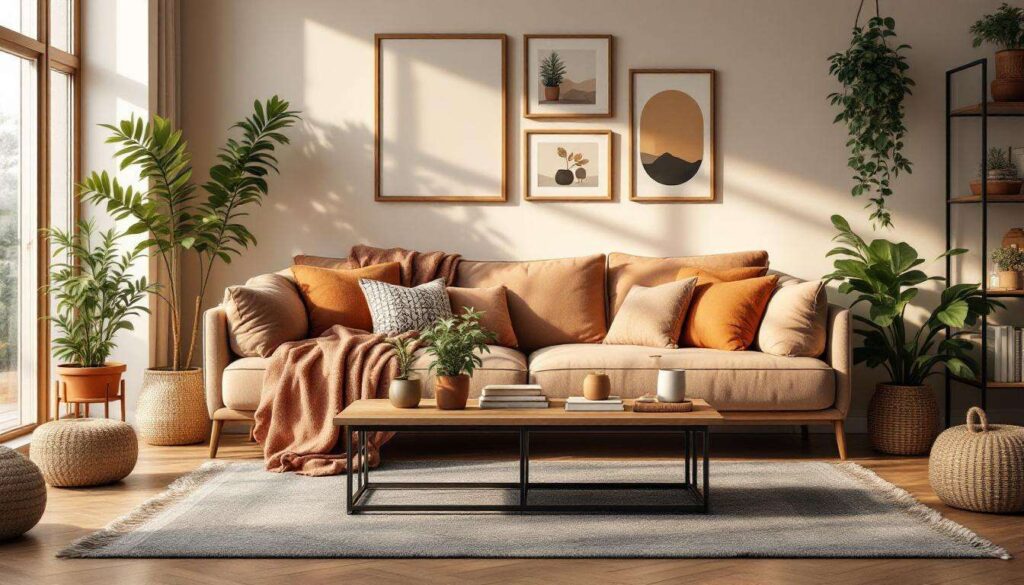
A well-curated gallery wall can become a focal point that showcases your aesthetic preferences. Consider these approaches:
- Mix different frame styles and sizes for an eclectic, collected-over-time appearance
- Combine photographs, paintings, and three-dimensional objects for depth
- Include personal sketches or children’s artwork alongside professional pieces
- Vary the spacing between frames to create visual interest
- Use a unifying element such as colour palette or subject matter to maintain cohesion
The beauty of artwork lies not only in its visual appeal but also in its ability to spark conversations and memories, making your home a reflection of your journey.
Support emerging artists and local talent
Investing in pieces from emerging or local artists adds a distinctive quality to your décor whilst supporting the creative community. These works often carry more character than mass-produced alternatives and provide interesting stories to share with guests. Many designers suggest visiting art fairs, studio tours, and independent galleries to discover unique pieces that won’t appear in every other home.
Beyond static artwork, consider how incorporating meaningful pieces naturally leads to other personal elements that can enhance your space’s individuality.
Incorporate travel souvenirs into your décor
Display treasures from your adventures thoughtfully
Travel souvenirs offer an excellent opportunity to bring global influences into your home whilst celebrating your experiences. Rather than hiding these items in cupboards, designers encourage displaying them as intentional décor elements. A Moroccan ceramic bowl, Japanese textiles, or Italian pottery can serve both functional and decorative purposes. The key is to integrate these pieces organically rather than creating a cluttered tourist shop aesthetic.
Create dedicated spaces for travel memories
Consider establishing specific areas where travel mementoes take centre stage:
- A bookshelf styled with objects collected from different countries
- Shadow boxes displaying smaller items like tickets, coins, or postcards
- A console table featuring rotating displays of recent travel finds
- Framed maps marking places you’ve visited or dream of exploring
Balance authenticity with interior design principles
Whilst incorporating travel souvenirs, maintain visual harmony by considering scale, colour, and placement. Group similar items together to create impact rather than scattering them randomly throughout your home. A collection of masks from different cultures, for instance, makes a stronger statement when displayed together on one wall than when dispersed across multiple rooms.
These global touches naturally complement another essential aspect of personalisation: the colours you choose to surround yourself with daily.
Choose colours that reflect your personality
Move beyond neutral safe choices
Although neutral palettes remain popular for their versatility, designers encourage homeowners to embrace colours that genuinely resonate with their personalities. If you’re drawn to vibrant hues, incorporate them confidently rather than defaulting to beige simply because it feels safer. Your home should energise and comfort you, and colour plays a crucial role in achieving that balance.
Understand colour psychology in personal spaces
Different colours evoke distinct emotional responses, making it valuable to consider how various shades affect your mood:
| Colour | Psychological Effect | Ideal Spaces |
|---|---|---|
| Blue | Calming, promotes focus | Bedrooms, home offices |
| Yellow | Energising, uplifting | Kitchens, breakfast nooks |
| Green | Refreshing, balanced | Living rooms, bathrooms |
| Red | Stimulating, passionate | Dining rooms, accent walls |
| Purple | Creative, luxurious | Studios, reading nooks |
Test colours before committing
Designers recommend living with paint samples on your walls for several days, observing how they appear in different lighting conditions. What looks perfect in the shop may feel overwhelming or dull in your actual space. Purchase sample pots and paint large swatches to make informed decisions that you’ll be happy with long-term.
Colour choices work hand in hand with the broader design approach you adopt throughout your home.
Mix styles for a unique interior
Embrace eclectic combinations with confidence
One of the most effective ways to create a personal space involves blending different design styles rather than adhering rigidly to a single aesthetic. Combining modern furniture with vintage finds, or pairing industrial elements with traditional pieces, results in interiors that feel collected and authentic. This approach prevents your home from looking like a showroom whilst allowing your diverse tastes to shine through.
Establish a unifying thread
When mixing styles, maintain cohesion through consistent elements:
- A repeated colour palette that ties disparate pieces together
- Similar wood tones or metal finishes throughout the space
- Consistent scale and proportion in furniture selection
- A dominant style (60-70%) with complementary accents (30-40%)
- Recurring patterns or textures that create visual rhythm
Trust your instincts over rigid rules
Designers emphasise that personal style trumps prescriptive design rules. If you love a particular piece, find a way to incorporate it even if it doesn’t perfectly match your primary aesthetic. The most memorable interiors often feature unexpected combinations that reflect the homeowner’s willingness to take creative risks.
These stylistic choices gain additional depth when enhanced by carefully selected textiles.
Use textiles to add character
Layer textures for visual and tactile interest
Textiles offer an accessible and changeable way to inject personality into your space. Through cushions, throws, rugs, and curtains, you can introduce colours, patterns, and textures that reflect your style. Layering different textile weights and materials creates depth whilst making rooms feel more inviting and lived-in.
Invest in meaningful textile pieces
Consider incorporating textiles with personal significance:
- Handwoven rugs purchased during travels or from artisan markets
- Vintage quilts or blankets with family history
- Cushions made from fabric remnants of sentimental clothing
- Curtains in patterns that remind you of favourite places
- Throws in colours that evoke positive memories
Rotate textiles seasonally
One advantage of using textiles for personalisation is their flexibility. Changing cushion covers, throws, and smaller rugs seasonally allows you to refresh your space without major renovations. Lighter linens and cottons for summer, heavier wools and velvets for winter—these simple swaps keep your home feeling current whilst maintaining your personal aesthetic.
The final layer in creating a truly personal space involves how you illuminate it.
Play with lighting to create a cosy atmosphere
Layer different light sources strategically
Lighting dramatically affects how personal and welcoming your home feels. Rather than relying solely on overhead fixtures, designers recommend layering ambient, task, and accent lighting to create flexibility and atmosphere. This approach allows you to adjust the mood according to activities and times of day, making your space more responsive to your needs.
Select fixtures that express your style
Light fixtures themselves serve as decorative elements that can reinforce your personal aesthetic:
- Statement chandeliers or pendant lights as focal points
- Vintage table lamps collected from antique shops
- Sculptural floor lamps that double as art pieces
- String lights for whimsical, relaxed environments
- Candles and lanterns for warmth and intimacy
Consider the quality and colour of light
The temperature and intensity of light significantly impact atmosphere. Warm-toned bulbs create cosiness whilst cooler temperatures suit task-oriented spaces. Dimmers provide control over intensity, allowing you to transition from bright and energising during daytime to soft and relaxing in the evening. This adaptability makes your home feel more attuned to your daily rhythms and preferences.
By thoughtfully selecting and positioning various light sources, you complete the personalisation of your space, ensuring it not only looks distinctly yours but also feels genuinely comfortable and welcoming at any hour.
Transforming your house into a personal sanctuary requires intention and authenticity rather than substantial budgets or professional expertise. Through carefully chosen artwork, meaningful travel mementoes, colours that resonate with your personality, mixed design styles, characterful textiles, and layered lighting, you create spaces that tell your story. These six decorating habits empower you to move beyond generic interiors towards a home that genuinely reflects who you are, providing comfort and inspiration every day.