

Interior designers consistently emphasise one technique above all others when transforming flat, uninspiring spaces into rooms with character and depth. Layering has emerged as the cornerstone of sophisticated interior design, allowing professionals and enthusiasts alike to craft environments that feel complete, inviting, and visually engaging. This approach involves thoughtfully combining multiple elements—from textiles and furnishings to colours and lighting—to create spaces that possess genuine personality and warmth. The difference between a room that feels finished and one that appears merely furnished often comes down to the mastery of this essential technique.
Understanding the concept of layering in interior design
Layering in interior design refers to the strategic combination of various design elements to create depth, interest, and complexity within a space. Rather than relying on a single focal point or design feature, layering involves building up multiple components that work together harmoniously. This technique draws inspiration from the way we dress, adding different garments and accessories to create a complete, polished look.
The core components of layering
Effective layering incorporates several distinct elements that contribute to the overall aesthetic. These components include textiles and fabrics, furniture arrangements, decorative accessories, lighting fixtures, and architectural features. Each layer serves a specific purpose whilst contributing to the unified whole. The foundation typically begins with larger pieces such as flooring and wall treatments, progressing through furniture selections, and culminating in smaller decorative accents.
- Base layer: flooring, wall colours, and large furniture pieces
- Middle layer: window treatments, rugs, and secondary seating
- Top layer: cushions, throws, artwork, and decorative objects
- Finishing touches: lighting, plants, and personal items
Why layering differs from simple decoration
Many people confuse layering with merely adding more items to a room, but the distinction lies in intentionality and cohesion. Layering requires careful consideration of how each element relates to others, creating visual connections through colour, texture, scale, and style. Simple decoration might involve placing objects randomly, whereas layering demands a thoughtful approach that considers the interplay between all components. This methodical process ensures that each addition enhances rather than clutters the space.
Having established what layering means in practical terms, we can now explore the guiding principles that make this technique so effective.
The fundamental principles of layering
Successful layering relies on several key principles that guide designers in creating balanced, sophisticated interiors. These foundational concepts ensure that spaces feel intentionally curated rather than haphazardly assembled.
Balance and proportion
Achieving the right balance between different layers prevents spaces from feeling either sparse or overwhelming. Designers must consider the visual weight of each element, ensuring that no single layer dominates unless intentionally designed as a focal point. Proportion plays an equally crucial role, as oversized elements can dwarf smaller accessories whilst undersized pieces may appear insignificant within larger contexts.
| Design element | Recommended proportion | Common mistakes |
|---|---|---|
| Rugs in living rooms | Front legs of furniture on rug | Rugs too small for space |
| Cushions on sofas | 3-5 cushions varying sizes | All same size or too many |
| Artwork above furniture | Two-thirds width of furniture | Pieces hung too high or small |
Repetition and rhythm
Creating visual rhythm through repeated elements helps tie different layers together cohesively. This might involve echoing a particular colour across various layers, repeating geometric patterns in different scales, or using similar materials throughout the space. The repetition need not be exact; subtle variations actually enhance interest whilst maintaining unity.
Contrast and variety
Whilst cohesion remains important, successful layering also requires sufficient contrast to maintain visual interest. This involves mixing different textures, combining various finishes, and incorporating diverse shapes and forms. The interplay between smooth and rough surfaces, matte and glossy finishes, or curved and angular forms creates dynamic tension that prevents spaces from appearing monotonous.
These principles provide the framework, but their application produces specific visual outcomes that transform how we experience interior spaces.
How layering creates visual harmony
The true power of layering lies in its ability to generate visual harmony that makes spaces feel complete and professionally designed. This harmony emerges from the careful orchestration of multiple elements working in concert.
Creating depth and dimension
Flat, one-dimensional spaces lack the visual interest that makes rooms engaging. Layering introduces physical and visual depth by positioning elements at different distances from walls and varying heights throughout the room. This three-dimensional approach encourages the eye to move through the space, discovering new details and appreciating the complexity of the design.
- Foreground elements: coffee tables, ottomans, floor cushions
- Middle ground features: sofas, chairs, console tables
- Background components: wall art, shelving, window treatments
- Overhead details: pendant lights, ceiling features, hanging plants
Establishing focal points and flow
Layering helps direct attention to intended focal points whilst creating natural visual pathways through a room. By building up elements around key features—such as fireplaces, architectural details, or statement furniture—designers can emphasise these elements without relying solely on their inherent presence. The surrounding layers provide context and support that enhance the focal point’s impact.
Softening harsh lines and spaces
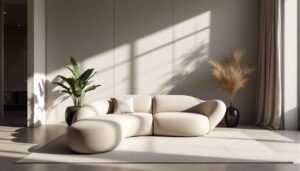
Contemporary architecture often features clean lines and minimal ornamentation, which can feel cold without proper layering. Adding textiles, organic shapes, and varied textures softens these stark environments, making them feel more inviting and liveable. This softening effect proves particularly important in open-plan spaces where architectural boundaries may be limited.
The visual harmony achieved through layering depends significantly on the physical properties of the materials and textures employed.
The impact of textures and materials in layering
Texture represents one of the most crucial yet frequently overlooked aspects of successful layering. The tactile and visual qualities of different materials contribute enormously to the richness and depth of interior spaces.
Mixing complementary textures
Combining various textures creates sensory interest that engages both sight and touch. Smooth leather might pair with nubby linen, whilst polished metal contrasts beautifully with rough-hewn wood. These textural combinations prevent spaces from feeling flat or one-note, adding complexity that rewards closer inspection.
- Soft textures: velvet, wool, cashmere, faux fur
- Rough textures: jute, sisal, raw wood, brick
- Smooth textures: glass, polished metal, lacquered surfaces
- Organic textures: stone, marble, natural fibres, plants
Material selection for different layers
Each layer within a room benefits from thoughtful material selection that considers both aesthetic appeal and practical function. Foundation layers typically employ durable, substantial materials that anchor the space, whilst finishing layers might incorporate more delicate or luxurious materials that add refinement. This hierarchy of materials creates both visual and functional logic within the design.
The role of pattern in textural layering
Patterns function as visual texture, adding another dimension to the layering process. Mixing patterns successfully requires balancing scale, colour, and style to avoid visual chaos. Designers often recommend combining one large-scale pattern with medium and small-scale options, ensuring they share a common colour palette or stylistic theme. Geometric patterns might mix with organic florals, provided they maintain appropriate scale relationships and colour harmony.
Understanding these textural principles provides the foundation for implementing layering techniques effectively in real-world applications.
Practical techniques for successful layering
Translating layering theory into practice requires specific techniques that designers employ to achieve professional results. These actionable strategies make the concept accessible for various skill levels and budgets.
Starting with a neutral foundation
Beginning with a neutral base provides flexibility for adding layers without overwhelming the space. This foundation typically includes wall colours, flooring, and major furniture pieces in versatile neutral tones that accommodate various accent colours and styles. Neutrals need not mean boring; warm greys, soft taupes, and creamy whites offer sophistication whilst allowing subsequent layers to shine.
Building layers gradually
Rather than attempting to complete a room immediately, successful layering often occurs over time. This gradual approach allows for thoughtful consideration of each addition and prevents costly mistakes. Starting with essential furniture and foundational elements, designers recommend adding subsequent layers as budget and inspiration allow, ensuring each addition feels intentional and meaningful.
| Layering phase | Timeline | Key additions |
|---|---|---|
| Foundation | Initial setup | Paint, flooring, major furniture |
| Functional layers | 1-3 months | Lighting, window treatments, rugs |
| Decorative layers | 3-6 months | Cushions, throws, artwork |
| Finishing touches | Ongoing | Accessories, plants, personal items |
The rule of three and odd numbers
Designers frequently employ the rule of three when layering accessories and decorative elements. Grouping items in odd numbers creates more visually appealing arrangements than even-numbered groupings. This principle applies to cushion arrangements, decorative object displays, and artwork groupings, producing compositions that feel naturally balanced.
Varying heights and scales
Creating visual interest requires varying the heights and scales of elements within each layer. Low, medium, and tall items arranged together produce dynamic compositions that guide the eye vertically through the space. This variation prevents the horizontal monotony that occurs when all elements sit at similar heights.
These practical techniques come to life when examining real spaces where layering has transformed ordinary rooms into extraordinary environments.
Examples of spaces transformed by layering
Observing layering in practice demonstrates its transformative power more effectively than theoretical discussions alone. These examples illustrate how strategic layering elevates different types of spaces.
Living room transformation
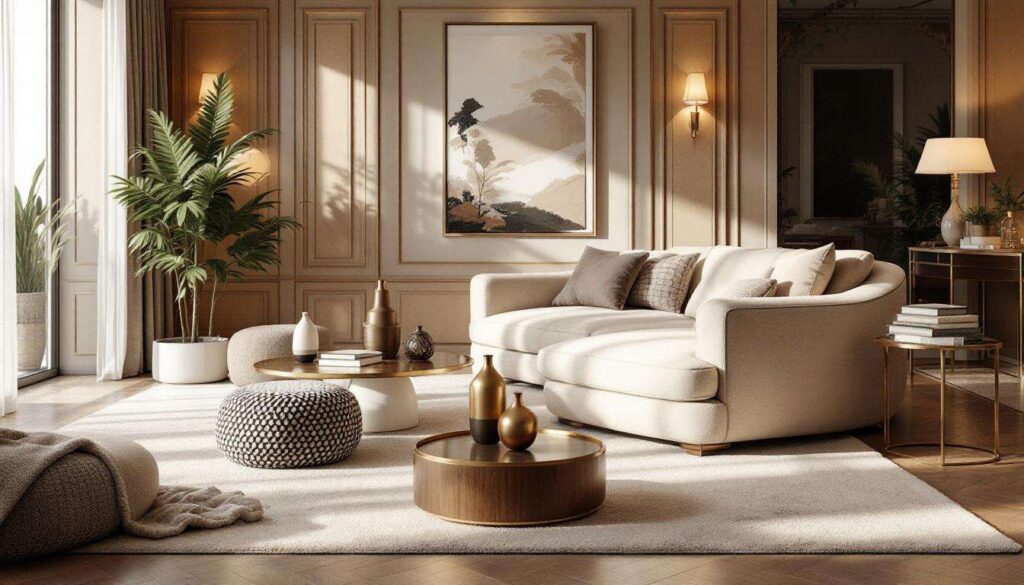
A minimalist living room featuring a grey sofa, white walls, and wooden floors might appear stark and uninviting. Through layering, the space gains warmth and personality: a textured rug anchors the seating area, whilst varied cushions in complementary tones add colour and comfort. A chunky knit throw introduces tactile appeal, table lamps provide ambient lighting, and carefully selected artwork creates visual interest on previously bare walls. The transformation occurs not through major renovations but through thoughtful accumulation of complementary layers.
Bedroom sanctuary
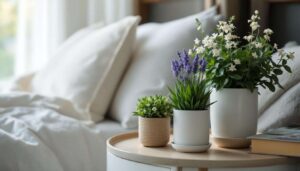
Bedrooms particularly benefit from layering, as the technique creates the cocoon-like atmosphere conducive to rest and relaxation. Beginning with quality bedding as the foundation, additional layers might include decorative pillows, a bed throw, bedside table lamps, window treatments that control light, and a soft rug underfoot. Each layer contributes to both aesthetic appeal and functional comfort, transforming a simple sleeping space into a genuine sanctuary.
- Base layer: mattress, bed frame, fitted sheet
- Comfort layers: duvet, blankets, sleeping pillows
- Decorative layers: cushions, throws, bed skirt
- Ambient elements: lighting, curtains, artwork
- Final touches: bedside accessories, plants, personal items
Open-plan space definition
Open-plan living presents unique challenges that layering addresses effectively. Without walls to define separate zones, designers use strategic layering to create visual boundaries and distinct areas. Rugs delineate seating zones, pendant lighting defines dining areas, and varied ceiling heights or architectural features provide structural layers. Furniture arrangement, colour schemes, and decorative elements further reinforce these invisible boundaries whilst maintaining the open, flowing quality of the space.
The cumulative effect of layering across these diverse spaces demonstrates why designers consider this technique indispensable for creating interiors that feel finished, sophisticated, and genuinely liveable. Mastering layering transforms the way we approach interior design, shifting focus from individual purchases to the holistic composition of spaces. The technique’s flexibility accommodates various styles, budgets, and personal preferences whilst consistently delivering results that possess depth, character, and visual interest. Whether undertaking major renovations or simply refreshing existing spaces, understanding and applying layering principles elevates design outcomes from adequate to exceptional.