

The kitchen has evolved from a purely functional space into the true heart of the home, where families gather, conversations flow and memories are created. This shift in perception has naturally influenced design choices, with homeowners increasingly seeking environments that reflect their values, stories and aesthetic preferences. The latest trends reveal a clear departure from the stark minimalism that dominated previous years, embracing instead a more human-centred approach that celebrates authenticity, craftsmanship and emotional connection. These emerging directions prioritise tactile experiences, lived-in charm and spaces that feel genuinely welcoming rather than showroom-perfect.
Kitchen: trends towards more warmth
Moving away from clinical aesthetics
The cold, impersonal kitchen characterised by glossy white surfaces and handleless cabinetry is giving way to designs that invite touch and engagement. Homeowners are increasingly drawn to materials and finishes that convey a sense of comfort and hospitality, rejecting the sterile atmosphere that once defined contemporary kitchen design. This shift reflects a broader cultural movement towards creating homes that nurture well-being and foster genuine human connection.
Textured surfaces and soft finishes
The emphasis on warmth manifests through carefully selected surface treatments that add depth and character to kitchen spaces. Matte finishes have largely replaced high-gloss options, whilst textured cabinet doors featuring grooves, fluting or hand-applied details create visual interest without overwhelming the senses. These tactile elements transform the kitchen from a merely visual experience into one that engages multiple senses, making the space feel more inviting and lived-in.
- Matte lacquered cabinetry in earthy tones
- Wood-grain finishes that showcase natural imperfections
- Brushed metal hardware with visible craftsmanship
- Textured tiles with handmade qualities
Lighting designed for ambience
Lighting plays a crucial role in establishing warmth, with designers moving beyond purely functional illumination towards layered lighting schemes that create atmosphere. Pendant lights with warm-toned shades, under-cabinet lighting with adjustable colour temperatures, and statement fixtures that serve as focal points all contribute to a more inviting environment. The goal is to create spaces that feel equally comfortable for morning coffee and evening entertaining.
These warmer design choices naturally complement another significant trend that celebrates the beauty of age and use.
The patina kitchen: a return to roots
Embracing the beauty of age
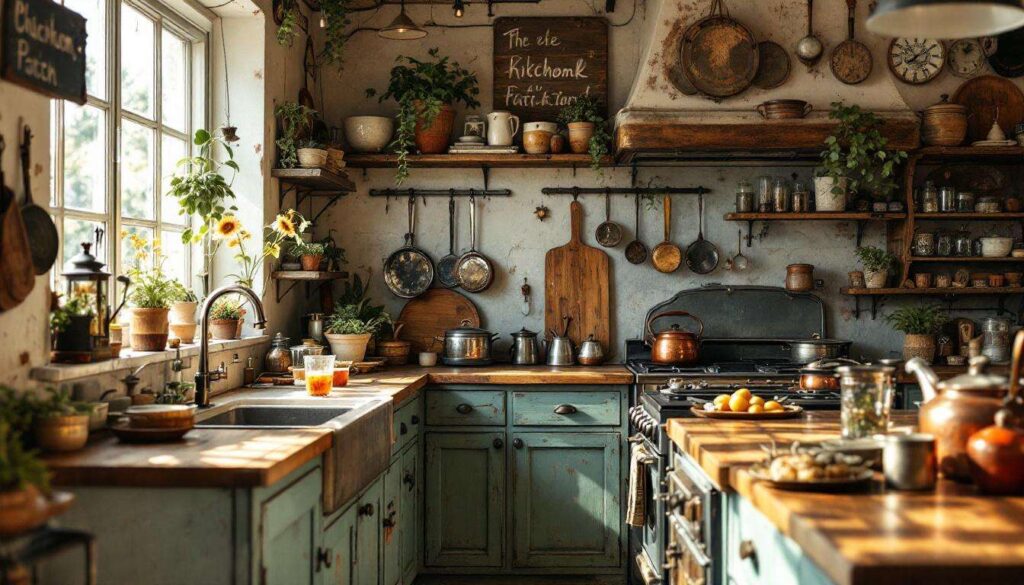
Patina represents the visible evidence of time’s passage, the subtle changes that occur as materials age and develop character through use. In kitchen design, this translates to an appreciation for surfaces that tell stories, whether through naturally oxidised metals, worn wooden worktops or tiles that develop a soft lustre over time. This aesthetic celebrates authenticity over perfection, valuing the unique marks left by daily life rather than attempting to maintain an unchanging, pristine appearance.
Materials that improve with age
Certain materials are specifically chosen for their ability to develop attractive patina over time, transforming the kitchen into a space that becomes more beautiful with use rather than deteriorating. Copper sinks that darken and develop distinctive patterns, brass hardware that acquires a rich golden-brown tone, and natural stone surfaces that absorb oils and develop a deeper sheen all exemplify this philosophy. These choices require a shift in mindset, viewing changes in appearance as enhancements rather than damage.
| Material | Patina Development | Maintenance Required |
|---|---|---|
| Copper | Darkens and develops verdigris over months | Minimal; occasional cleaning |
| Brass | Develops warm brown tones over weeks | Optional polishing to control appearance |
| Natural wood | Deepens in colour and develops sheen over years | Regular oiling and cleaning |
| Limestone | Absorbs oils and develops character over time | Sealing and gentle cleaning |
Vintage and reclaimed elements
The patina aesthetic often incorporates genuinely aged pieces, whether through reclaimed wooden beams, vintage furniture repurposed as kitchen islands, or antique lighting fixtures. These elements bring instant history and character to new builds or renovations, creating spaces that feel established rather than freshly installed. The juxtaposition of old and new adds visual interest whilst demonstrating a commitment to sustainability and resourcefulness.
This celebration of individuality and history naturally extends to how homeowners express their unique identities through kitchen design.
Personalisation: the soul of the modern kitchen
Beyond standardised solutions
The era of identical fitted kitchens has given way to bespoke solutions that reflect individual lifestyles, cooking habits and aesthetic preferences. Homeowners are increasingly willing to invest in custom cabinetry, unique layouts and personalised details that make their kitchens truly one-of-a-kind. This approach rejects the notion that kitchens should follow a prescribed formula, instead treating each space as an opportunity for creative expression.
Displaying personal collections
Open shelving, glass-fronted cabinets and dedicated display areas allow homeowners to showcase items that hold personal significance, transforming the kitchen into a gallery of sorts. Whether displaying inherited china, collected ceramics from travels, or simply everyday items arranged with care, these personal touches make the space feel genuinely inhabited and meaningful. This trend reflects a broader desire to surround oneself with objects that spark joy and tell personal stories.
- Open shelving for frequently used items and decorative pieces
- Plate racks displaying special dinnerware
- Cookbook libraries integrated into kitchen design
- Artwork and photographs in kitchen-appropriate frames
- Collections of vintage kitchenware as decorative elements
Customised functional elements
Personalisation extends beyond aesthetics to include functional adaptations that support individual cooking styles and household needs. Dedicated baking stations with marble inserts, integrated coffee bars with built-in equipment, or specialised storage for particular hobbies demonstrate how kitchens can be tailored to support specific activities. These custom solutions enhance both usability and satisfaction, creating spaces that genuinely work for their users rather than forcing users to adapt to generic layouts.
The materials chosen to create these personalised spaces play an equally important role in establishing character and ensuring longevity.
Natural materials: elegance and durability above all
The enduring appeal of wood
Wood remains the quintessential natural material for kitchens, valued for its warmth, versatility and timeless appeal. From solid timber cabinetry to wooden worktops and flooring, this material brings organic beauty and tactile pleasure to kitchen spaces. Different wood species offer distinct characteristics, from the pale elegance of oak to the rich depth of walnut, allowing homeowners to select options that align with their overall design vision whilst benefiting from wood’s natural durability and repairability.
Stone surfaces with character
Natural stone worktops and backsplashes introduce geological beauty into the kitchen, with each piece featuring unique veining and colouration that cannot be replicated. Marble, granite, limestone and soapstone each offer distinct aesthetic and practical qualities, from marble’s luxurious appearance to soapstone’s subtle patina development. These materials connect kitchen spaces to the natural world whilst providing surfaces that withstand daily use and improve with age when properly maintained.
Sustainable and ethical sourcing
The choice of natural materials increasingly reflects environmental consciousness, with homeowners seeking sustainably harvested wood, locally quarried stone and materials with transparent supply chains. This ethical dimension adds another layer of meaning to material selections, allowing kitchens to embody values of environmental stewardship and social responsibility. Certifications, reclaimed options and locally sourced materials all contribute to creating kitchens that are beautiful, durable and conscientiously produced.
These natural materials often feature in kitchens that successfully combine multiple design influences to create distinctive, layered spaces.
The blend of styles for a unique kitchen
Moving beyond single-style kitchens
Contemporary kitchen design increasingly embraces stylistic eclecticism, combining elements from different periods and design movements to create spaces with depth and personality. A kitchen might feature traditional Shaker-style cabinetry alongside industrial metal shelving, or pair rustic wooden beams with sleek modern appliances. This approach requires a discerning eye to ensure coherence, but when executed thoughtfully, it results in spaces that feel curated and intentional rather than haphazardly assembled.
Balancing old and new
The most successful blended kitchens achieve harmony between heritage elements and contemporary functionality, respecting the past whilst embracing modern convenience. This might involve installing state-of-the-art appliances within period-appropriate cabinetry, or pairing antique furniture pieces with cutting-edge lighting systems. The key lies in ensuring that each element serves a purpose and contributes to the overall aesthetic narrative rather than competing for attention.
- Traditional cabinetry with modern hardware
- Vintage lighting fixtures with LED technology
- Contemporary appliances in retro-inspired colours
- Industrial elements softened by natural materials
- Minimalist layouts enriched with decorative details
Creating visual dialogue
Successful style blending creates visual conversations between different elements, with contrasts that highlight the unique qualities of each component. A rough-hewn wooden table gains presence when surrounded by streamlined modern chairs, whilst ornate vintage tiles become focal points against simple painted walls. This approach requires confidence and restraint, knowing when to introduce contrast and when to maintain harmony.
The colour palette chosen to unite these diverse elements significantly influences the overall atmosphere and emotional impact of the space.
Warm colours: the cosy atmosphere in the kitchen
The shift from cool to warm palettes
Kitchen colour schemes have decisively moved away from the cool greys and stark whites that dominated recent years, embracing instead warm, enveloping tones that create inviting atmospheres. Terracotta, ochre, warm taupe, sage green and soft blush have emerged as popular choices, bringing earthy sophistication to kitchen spaces. These colours create psychological warmth, making kitchens feel like nurturing environments where people naturally want to gather and linger.
Layering tonal variations
Rather than relying on single-colour schemes, contemporary warm kitchens often feature subtle tonal variations that add depth and visual interest. Different shades of the same colour family might appear on cabinets, walls and accessories, creating a cohesive yet dynamic environment. This layered approach prevents monotony whilst maintaining overall harmony, allowing the space to feel both unified and complex.
Accent colours and focal points
Within predominantly warm palettes, carefully chosen accent colours create moments of visual excitement and define specific areas. A deep terracotta backsplash might anchor a neutral kitchen, whilst brass hardware adds golden warmth throughout the space. These accents should feel intentional rather than arbitrary, supporting the overall design narrative whilst providing opportunities for personal expression and seasonal updates through accessories and textiles.
| Warm Colour | Psychological Effect | Best Applications |
|---|---|---|
| Terracotta | Grounding, earthy comfort | Walls, tiles, accent cabinetry |
| Warm taupe | Sophisticated calm | Main cabinetry, large surfaces |
| Sage green | Natural tranquillity | Cabinetry, walls, furniture |
| Ochre | Energising warmth | Accents, textiles, small areas |
The kitchen continues its evolution as the emotional and functional heart of the home, with current trends reflecting a profound shift towards authenticity, warmth and personal expression. The embrace of patina, natural materials and warm colour palettes creates spaces that feel genuinely welcoming rather than showroom-perfect, whilst the blending of styles and emphasis on personalisation ensures that each kitchen tells a unique story. These design directions represent more than aesthetic preferences; they embody a fundamental reimagining of how we want to live, prioritising comfort, connection and the celebration of imperfection over sterile perfection. As kitchens become increasingly personalised and characterful, they fulfill their potential as spaces that nurture both body and soul, supporting daily rituals whilst accommodating life’s special moments.