



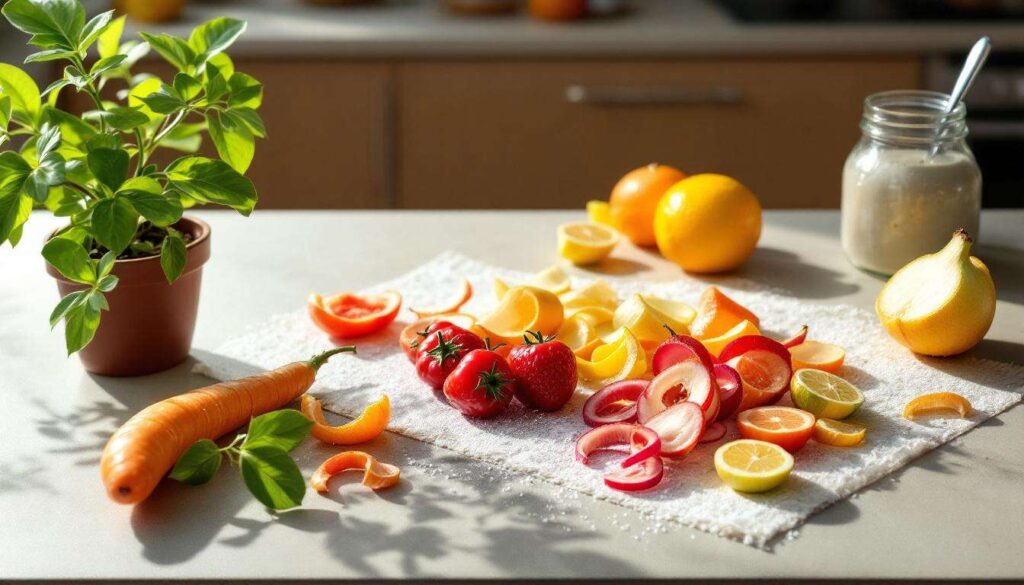
Kitchen waste often ends up in the bin without a second thought, yet those humble vegetable and fruit peels contain a wealth of nutrients that can transform your garden. Rather than discarding these organic treasures, gardeners across the country are discovering how simple techniques can convert peels into a powerful, cost-free fertiliser. This natural approach not only reduces household waste but also provides plants with essential minerals and organic matter that promote vigorous growth and healthier soil.
The benefits of peels for your plants
Nutrient-rich organic matter
Fruit and vegetable peels contain an impressive array of essential nutrients that plants require for optimal development. Potassium, phosphorus, nitrogen, calcium and magnesium are all present in varying concentrations depending on the type of peel. When these materials decompose, they release nutrients gradually into the soil, creating a sustained feeding programme that synthetic fertilisers simply cannot replicate.
Improved soil structure and moisture retention
Beyond their nutritional value, peels contribute significantly to soil health by improving its physical structure. As organic matter breaks down, it creates air pockets that enhance drainage whilst simultaneously increasing the soil’s capacity to retain moisture. This dual action proves particularly valuable during dry spells, reducing the frequency of watering required. The decomposing material also encourages beneficial microorganisms that further enrich the soil ecosystem.
Environmental and economic advantages
Using peels for plant nutrition delivers tangible benefits beyond the garden itself:
- Reduces the volume of waste sent to landfill sites
- Eliminates the need for expensive commercial fertilisers
- Decreases your household’s carbon footprint
- Prevents methane emissions from decomposing organic waste in landfills
- Creates a closed-loop system within your home
Understanding these advantages naturally leads to the question of which peels offer the greatest benefits for your garden.
Types of peels to prioritise
High-value peels for maximum impact
Not all peels are created equal when it comes to plant nutrition. Banana peels stand out as particularly valuable due to their high potassium content, which promotes flowering and fruit development. Citrus peels, whilst slightly acidic, provide excellent pest-deterrent properties alongside their nutritional benefits. Potato peels contain substantial amounts of starch and nutrients that soil microbes readily convert into plant-available forms.
Peels to use with caution
Certain peels require more careful consideration before adding them to your garden. Citrus peels should be used sparingly around acid-sensitive plants, though they work wonderfully for azaleas and rhododendrons. Onion and garlic skins, whilst nutritious, can temporarily alter soil pH and may deter some beneficial insects if used in large quantities.
Comparative nutritional value
| Peel Type | Primary Nutrient | Best Used For |
|---|---|---|
| Banana | Potassium | Flowering plants, tomatoes |
| Potato | Starch, phosphorus | Root vegetables, general use |
| Apple | Calcium, nitrogen | Leafy greens, brassicas |
| Carrot | Beta-carotene, potassium | Soil conditioning |
Once you’ve identified the most suitable peels for your garden’s needs, proper preparation becomes essential for achieving optimal results.
How to prepare your peels for composting
Basic preparation steps
Proper preparation ensures peels decompose efficiently and don’t attract unwanted pests. Begin by rinsing peels thoroughly to remove any pesticide residues or dirt. Chopping or shredding peels into smaller pieces dramatically accelerates decomposition, as it increases the surface area available for microbial action. Aim for pieces no larger than 5 centimetres for best results.
Drying versus fresh application
Gardeners can choose between using fresh or dried peels, each method offering distinct advantages. Fresh peels decompose more rapidly and provide immediate moisture to the soil, making them ideal for quick nutrient delivery. Dried peels, conversely, store indefinitely and can be ground into a powder for easier application. The drying process also concentrates nutrients, creating a more potent amendment.
Storage considerations
If you’re not ready to use peels immediately, proper storage prevents mould and odours:
- Keep fresh peels refrigerated in an airtight container for up to one week
- Freeze peels in sealed bags for long-term storage
- Dry peels completely on baking trays before storing in sealed jars
- Label containers with dates to track freshness
With properly prepared materials at hand, you’re ready to explore the various methods for incorporating peels into your gardening routine.
Simple techniques to use peels
Direct soil incorporation
The most straightforward method involves burying chopped peels directly into the soil around plants. Dig shallow trenches approximately 10-15 centimetres deep, place the peels inside, and cover with soil. This technique works particularly well for established plants and allows nutrients to release gradually as decomposition occurs. Avoid placing peels directly against plant stems to prevent rot.
Peel tea fertiliser
Creating a nutrient-rich liquid fertiliser requires minimal effort. Fill a large container with water, add a generous quantity of peels, and allow the mixture to steep for 48-72 hours. The resulting peel tea can be diluted with water at a 1:5 ratio and applied directly to soil or as a foliar spray. This method delivers nutrients quickly and proves especially beneficial for container plants.
Surface mulching application
Spreading dried, crushed peels across the soil surface creates an effective mulch that suppresses weeds whilst slowly releasing nutrients. This technique works beautifully in vegetable gardens and around ornamental plants. As rain and irrigation water percolate through the peel mulch, they carry dissolved nutrients down to plant roots.
Vermicomposting with peels
Worm bins transform peels into premium compost with remarkable efficiency. Red wiggler worms consume peels rapidly, producing nutrient-dense castings that represent one of nature’s finest fertilisers. This method suits gardeners with limited outdoor space, as worm bins function effectively indoors or on balconies.
Implementing these techniques effectively requires attention to certain refinements that can significantly enhance results.
Tips to maximise effects on your plants
Timing and frequency guidelines
Apply peel-based amendments during the growing season when plants actively absorb nutrients. Spring and early summer represent optimal periods for most plants. Avoid excessive applications, as too much organic matter can temporarily tie up nitrogen as it decomposes. A monthly application of peel tea or quarterly incorporation of solid peels typically provides sufficient nutrition without overwhelming plants.
Matching peels to plant needs
Different plants benefit from specific peel types based on their nutritional requirements. Fruiting plants such as tomatoes and peppers thrive with regular applications of potassium-rich banana peels. Leafy vegetables appreciate the nitrogen boost from a broader mix of peels. Root vegetables benefit from phosphorus-heavy additions like potato peels worked into the soil before planting.
Monitoring and adjusting
Observe your plants’ responses to peel applications and adjust accordingly:
- Watch for signs of nutrient excess such as overly lush foliage with few flowers
- Increase applications if plants show yellowing leaves or stunted growth
- Reduce citrus peel use if soil pH drops below optimal levels
- Balance green peels with brown materials to maintain proper decomposition
Combining with other organic practices
Peel-based fertilisation works best as part of a holistic organic gardening approach. Combine it with crop rotation, companion planting, and regular additions of well-rotted compost for optimal soil health. This integrated strategy creates resilient plants better equipped to resist pests and diseases whilst producing abundant harvests.
Transforming kitchen waste into garden gold represents a practical solution that benefits both your plants and the environment. By selecting appropriate peels, preparing them correctly, and applying them using proven techniques, you can dramatically reduce household waste whilst nurturing healthier, more productive gardens. This cost-free approach harnesses natural processes to deliver sustained nutrition, improve soil structure, and create a more sustainable gardening practice that anyone can implement regardless of experience level or garden size.