


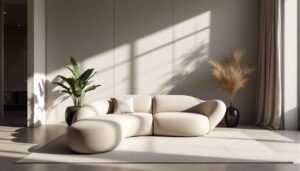
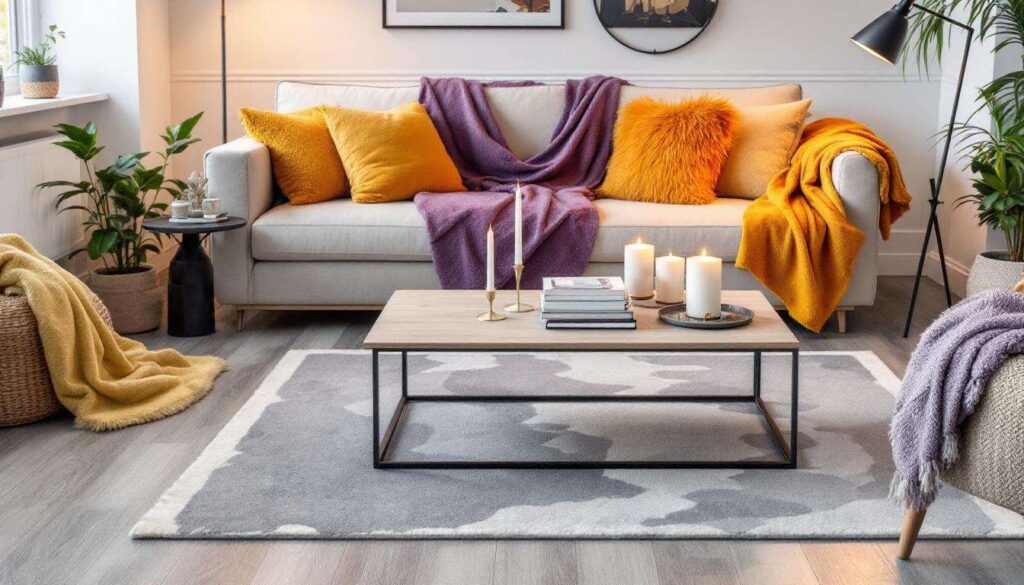
Grey vinyl floors can sometimes lend a sterile, uninviting quality to a living room, particularly when natural light is limited or the space lacks warmth. Many homeowners find themselves grappling with this challenge, reluctant to undertake costly flooring renovations yet eager to create a welcoming environment. The solution lies not in ripping up existing surfaces but in employing strategic décor choices that counterbalance the coolness of grey tones. Through thoughtful layering of colours, textures, and accessories, any living room can be transformed from clinical to cosy without touching the flooring itself.
Introduction to the art of transforming your interior
Understanding the impact of grey vinyl flooring
Grey vinyl flooring has surged in popularity due to its durability, affordability, and modern aesthetic. However, grey naturally reads as a cool, neutral tone that can make spaces feel larger yet simultaneously less intimate. When paired with sparse furnishings or minimal décor, grey floors can render a living room feeling more like a waiting area than a comfortable retreat. The key to successful interior transformation lies in recognising that flooring serves as a canvas rather than the defining element of a room’s character.
The power of layering in interior design
Professional interior designers rely heavily on the principle of layering to create depth and visual interest. This approach involves building upon the existing foundation with complementary elements that introduce warmth, texture, and personality. Rather than viewing grey flooring as a limitation, consider it a neutral backdrop that allows for greater flexibility in décor choices. The following strategies demonstrate how strategic additions can completely alter the perception of a space without structural changes.
With this foundation established, the first practical step involves selecting colours that counteract the inherent coolness of grey surfaces.
Choosing the right colours to warm up the atmosphere
Warm colour palettes that complement grey
The most effective way to combat the chilly feeling of grey flooring involves introducing warm colour schemes throughout the living room. Consider incorporating the following hues:
- Terracotta and burnt orange tones that evoke earthiness and warmth
- Rich burgundy and deep red accents that add sophistication
- Mustard yellow and golden shades that brighten without overwhelming
- Warm taupe and caramel browns that create cohesion
- Soft coral and peachy tones for subtle warmth
Strategic colour placement
Rather than repainting entire walls, focus on accent walls or large furniture pieces in warming tones. A sofa upholstered in a rich rust colour or an accent wall painted in a warm terracotta can dramatically shift the room’s temperature without overwhelming the space. The contrast between cool grey flooring and warm furnishings creates visual balance that feels intentional rather than accidental.
The psychological impact of colour temperature
Colour psychology demonstrates that warm tones stimulate feelings of comfort, security, and welcome. By deliberately choosing warm-toned textiles, wall colours, and decorative elements, you counteract the psychological coolness that grey inherently conveys. This doesn’t require eliminating grey entirely from your palette but rather balancing it with warmer counterpoints.
Once the colour foundation has been established, the next layer involves adding physical warmth and texture through carefully selected floor coverings.
Adding rugs for a touch of comfort
Selecting the appropriate rug size and placement
Rugs serve as one of the most transformative elements in counteracting cold flooring. Proper sizing is critical: a rug should be large enough that at least the front legs of furniture rest upon it, creating a cohesive seating area. Common sizing mistakes include choosing rugs that are too small, which can make a space feel disjointed rather than unified.
| Room Size | Recommended Rug Size | Placement Strategy |
|---|---|---|
| Small living room (up to 12m²) | 160cm × 230cm | Centre under coffee table |
| Medium living room (12-20m²) | 200cm × 290cm | Front furniture legs on rug |
| Large living room (over 20m²) | 250cm × 350cm or larger | All furniture legs on rug |
Texture and material considerations
The material of your rug significantly impacts both the visual warmth and physical comfort of the space. Consider these options:
- Wool rugs offer natural insulation and a luxurious feel underfoot
- Jute and sisal provide organic texture and earthy warmth
- Shaggy or high-pile rugs create immediate cosiness and softness
- Layered rugs (a smaller decorative rug atop a larger neutral one) add depth
Colour and pattern selection for rugs
When selecting rug colours, opt for warm-toned patterns that incorporate multiple hues from your overall colour scheme. Persian or Oriental-style rugs with red, orange, and gold tones work exceptionally well against grey flooring, as do modern geometric designs featuring warm neutrals. Avoid cool-toned rugs in blues or greys, which will amplify rather than counteract the existing coldness.
With textural warmth established at floor level, the focus shifts upward to how lighting can fundamentally alter a room’s ambiance.
Multiplying light sources for a cosy ambiance
The importance of layered lighting
Proper lighting represents one of the most impactful yet frequently overlooked elements in creating warmth. Relying solely on overhead lighting creates harsh shadows and emphasises the clinical quality of grey flooring. Instead, implement a three-tier lighting strategy:
- Ambient lighting: overhead fixtures with warm-toned bulbs (2700K-3000K)
- Task lighting: reading lamps, desk lights positioned where activities occur
- Accent lighting: decorative lamps, LED strips, candles for atmosphere
Strategic lamp placement
Position multiple light sources at varying heights throughout the living room. Floor lamps in corners eliminate dark spaces, table lamps on side tables create intimate pools of light, and wall sconces add architectural interest whilst providing gentle illumination. This approach mimics natural light patterns and creates visual depth that makes spaces feel more inviting.
Choosing warm-toned bulbs and fixtures
The colour temperature of light bulbs dramatically affects perception. Replace any cool white or daylight bulbs (4000K+) with warm white alternatives (2700K-3000K). Consider fixtures with fabric or amber-tinted shades that diffuse light warmly rather than metallic or clear glass options that can feel stark against grey flooring.
With the foundational elements of colour, texture, and lighting addressed, attention turns to the finishing touches that personalise and complete the transformation.
Decorative accessories: cushions, throws, and artworks
Layering textiles for visual and physical warmth
Soft furnishings provide the most immediate and affordable method for injecting warmth into a living room. Cushions and throws should be selected in warm colours and varied textures:
- Velvet cushions in jewel tones (emerald, ruby, sapphire with warm undertones)
- Chunky knit throws in cream, camel, or rust
- Faux fur or sheepskin accents for luxury and texture
- Linen cushions in warm neutrals for casual elegance
Creating visual interest through artwork
Wall art draws the eye upward and away from flooring whilst providing opportunities to reinforce warm colour schemes. Large-scale pieces with warm-toned palettes create focal points that anchor the room. Consider abstract works featuring oranges, reds, and golds, or landscape photography with sunset tones. Gallery walls combining multiple pieces add personality whilst distributing visual warmth throughout the space.
The rule of odd numbers and grouping
When arranging decorative accessories, designers often employ the rule of three or other odd-numbered groupings, which creates more dynamic, natural-looking arrangements than even numbers. Group candles in sets of three, arrange cushions in clusters of five, and display decorative objects in asymmetrical arrangements that feel curated rather than staged.
The final layer in this transformation involves bringing natural elements indoors, which adds both visual interest and a sense of vitality.
Integrating plants for a touch of freshness and life
Selecting appropriate plants for indoor conditions
Houseplants introduce organic warmth and visual softness that contrasts beautifully with the manufactured quality of vinyl flooring. Choose varieties suited to your living room’s light conditions:
- Low-light tolerant: snake plants, pothos, ZZ plants
- Moderate light: monstera, rubber plants, peace lilies
- Bright indirect light: fiddle leaf figs, bird of paradise, palms
Strategic plant placement and container selection
Position larger floor plants in corners or beside furniture to soften hard edges and create vertical interest. Smaller plants work well on shelving, side tables, and windowsills. Container choice matters significantly: opt for warm-toned pots in terracotta, ceramic with earthy glazes, or natural materials like woven baskets rather than cold metallics or stark white containers.
The psychological benefits of greenery
Beyond aesthetic contributions, plants improve air quality and create psychological associations with nature and growth. This living element counteracts the static, manufactured feel that can accompany vinyl flooring, making spaces feel more dynamic and inhabited. Even artificial plants, when high-quality, can provide similar visual benefits for those unable to maintain living specimens.
Transforming a living room with grey vinyl flooring from chilly to inviting requires no structural changes, only thoughtful layering of warm colours, varied textures, strategic lighting, personalised accessories, and natural elements. Each component builds upon the others, creating a cohesive environment that feels intentionally designed rather than accidentally assembled. The grey flooring that once felt like a limitation becomes merely a neutral foundation, allowing the warmth of your carefully curated décor to take centre stage. By implementing these strategies progressively, any homeowner can achieve a welcoming, comfortable living space that belies the coolness of its foundation.