



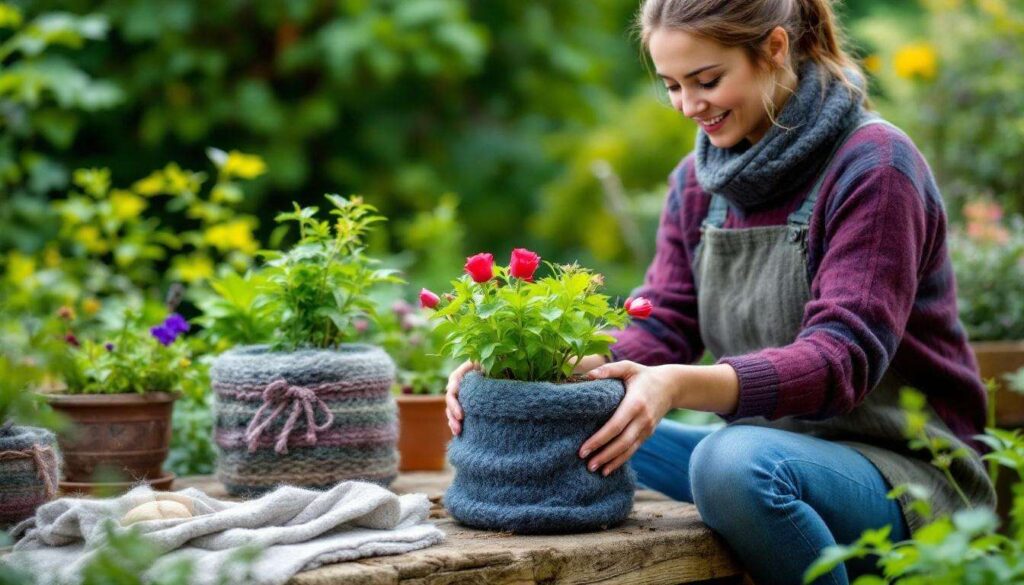
Most gardeners face a common dilemma when clearing out their wardrobes: what to do with worn-out wool jumpers that are too damaged to donate but too valuable to simply discard. Rather than consigning these garments to landfill, savvy horticulturists have discovered ingenious ways to repurpose old wool clothing into practical gardening solutions. Wool’s natural properties make it an exceptional material for various garden applications, offering benefits that extend far beyond its original purpose as clothing.
Creative recycling of old wool sweaters
Understanding wool’s unique properties
Wool possesses remarkable characteristics that make it particularly valuable in gardening contexts. As a natural fibre, it decomposes slowly whilst providing essential nutrients to soil. The material’s structure allows it to retain moisture effectively, holding up to thirty per cent of its weight in water without feeling damp to the touch. This moisture-retention capability proves invaluable for maintaining consistent hydration levels around plant roots.
Environmental benefits of wool recycling
Repurposing wool jumpers aligns perfectly with sustainable gardening practices. Rather than contributing to textile waste, gardeners can transform these items into functional resources. The environmental advantages include:
- Reducing landfill waste from discarded clothing
- Eliminating the need for synthetic gardening materials
- Creating a closed-loop system within home gardens
- Avoiding chemical treatments common in commercial products
- Supporting biodiversity through natural decomposition processes
These practices demonstrate how circular economy principles can be applied at a household level, turning waste into valuable garden resources.
Preparing wool jumpers for garden use
Before incorporating old jumpers into gardening projects, proper preparation ensures optimal results. Remove any synthetic embellishments such as buttons, zips, or decorative elements that won’t biodegrade. Wash the garments thoroughly to eliminate any residual detergents or fabric softeners that might affect soil chemistry. Cut the wool into appropriate sizes depending on the intended application, whether strips, squares, or smaller fragments.
Understanding these fundamental properties and preparation methods sets the foundation for numerous practical applications throughout the garden.
Transforming wool into compost
The composting process with wool
Wool jumpers make an excellent addition to compost heaps, classified as a nitrogen-rich “green” material despite their colour. The fibres break down gradually, releasing valuable nutrients including nitrogen, sulphur, and trace minerals. Cut the wool into small pieces, approximately five to ten centimetres square, to accelerate decomposition. Mix these fragments throughout the compost heap rather than adding them in thick layers.
Nutrient contribution to soil
As wool decomposes, it enriches compost with essential elements that plants require for healthy growth. The protein structure of wool contains approximately sixteen per cent nitrogen, making it comparable to other high-quality organic amendments. A comparison of nutrient content demonstrates wool’s value:
| Material | Nitrogen (%) | Decomposition time |
|---|---|---|
| Wool fibres | 15-16% | 6-12 months |
| Grass clippings | 2-4% | 2-4 weeks |
| Coffee grounds | 2% | 3-6 months |
Optimal composting techniques
For best results, maintain proper moisture levels and turn the compost regularly to ensure adequate aeration around wool pieces. The material may initially resist decomposition, but microbial activity gradually breaks down the protein bonds. Combining wool with faster-decomposing materials creates a balanced compost mixture. Avoid adding excessive quantities at once, as concentrated wool can temporarily tie up nitrogen during initial breakdown stages.
Beyond composting, wool’s physical properties offer immediate benefits when applied directly to garden beds.
Natural mulching for the garden
Creating effective wool mulch
Wool strips make an outstanding mulch material that suppresses weeds whilst regulating soil temperature. Cut old jumpers into strips approximately ten to fifteen centimetres wide and lay them around plant bases, creating a protective barrier. Unlike conventional mulches, wool conforms to irregular surfaces and stays in place without blowing away. The material’s natural crimp creates air pockets that insulate soil effectively.
Moisture retention benefits
One of wool mulch’s most valuable attributes is its capacity to moderate soil moisture levels. The fibres absorb excess water during rainfall or irrigation, then gradually release it as soil dries. This buffering effect reduces watering frequency and protects plants from moisture stress. Particularly beneficial for:
- Container plants prone to rapid drying
- Newly planted specimens establishing root systems
- Vegetable beds requiring consistent moisture
- Acid-loving plants such as blueberries and rhododendrons
- Shallow-rooted perennials vulnerable to drought
Weed suppression properties
A layer of wool mulch effectively blocks light from reaching weed seeds, preventing germination. The dense material creates a physical barrier that emerging weeds struggle to penetrate. Apply wool strips in overlapping layers approximately five centimetres thick for optimal weed control. As the wool gradually decomposes, it enriches the soil beneath whilst maintaining its suppressive properties throughout the growing season.
The versatility of wool extends beyond surface applications to include innovative container solutions.
Creating biodegradable plant pots
Constructing wool fibre containers
Old jumpers can be fashioned into biodegradable pots perfect for starting seeds or transplanting seedlings. Cut the wool into squares and mould them around existing containers to create the desired shape. The fibres can be felted together using hot water and agitation, forming rigid structures that hold their form. These containers provide excellent insulation for developing root systems whilst allowing gradual moisture penetration.
Advantages over conventional pots
Wool containers offer several benefits compared to plastic or peat alternatives. The porous structure allows roots to breathe whilst preventing waterlogging. When transplanting time arrives, the entire pot can be placed directly into the ground, where it will decompose naturally. This eliminates transplant shock by avoiding root disturbance. The wool also provides initial nutrients as it breaks down around the establishing plant.
Suitable plants and applications
These biodegradable containers work particularly well for plants that resent root disturbance. Consider using wool pots for:
- Legumes such as peas and beans
- Root vegetables including carrots and parsnips
- Annual flowers with delicate root systems
- Herbs destined for permanent garden positions
- Native wildflowers for ecological restoration projects
As temperatures drop, wool’s insulating properties become especially valuable for protecting vulnerable plants.
Insulating delicate plants in winter
Protecting tender perennials
Wool’s natural insulating properties make it ideal for safeguarding plants during cold weather. Wrap tender perennials with strips cut from old jumpers, securing the material loosely around stems and crown areas. The wool maintains a stable microclimate, buffering against temperature fluctuations that can damage plant tissues. Unlike synthetic materials, wool breathes naturally, preventing moisture accumulation that leads to rot.
Container plant protection
Potted plants face particular vulnerability during freezing conditions as roots have limited soil insulation. Wrap wool fabric around container exteriors, creating a protective layer between the pot and cold air. This thermal barrier prevents rapid temperature swings that can crack containers and damage root systems. Secure the wool with natural twine, ensuring adequate coverage whilst allowing drainage holes to remain unobstructed.
Creating protective structures
For larger plants or grouped containers, construct wool-lined protective frames. Use bamboo canes or wooden stakes to create a framework around plants, then drape wool sections over this structure. The arrangement creates an insulated chamber that moderates temperature extremes. This method proves particularly effective for:
- Citrus trees in marginal climates
- Exotic perennials requiring extra protection
- Recently planted shrubs not yet fully established
- Raised beds containing overwintering vegetables
- Water features vulnerable to freeze damage
Beyond practical applications, wool opens possibilities for creative gardening projects that combine functionality with aesthetic appeal.
DIY gardening: original creations
Crafting plant ties and supports
Cut wool jumpers into narrow strips to create soft plant ties that won’t damage delicate stems. These gentle supports work excellently for training climbing plants, securing heavy flower heads, or supporting vegetable crops. The material’s elasticity allows for plant growth without constricting stems, whilst its soft texture prevents the abrasion common with wire or plastic ties.
Making seed tape alternatives
Wool strips can serve as biodegradable carriers for small seeds, functioning similarly to commercial seed tape. Dampen wool strips and press tiny seeds into the fibres at appropriate spacing intervals. Plant the entire strip at the correct depth, where the wool retains moisture around seeds whilst providing gentle support for emerging seedlings. As plants establish, the wool decomposes, enriching surrounding soil.
Designing hanging basket liners
Transform old jumpers into attractive, functional liners for hanging baskets and wall planters. Cut wool to fit basket dimensions, creating a natural-looking alternative to coir or moss liners. The material’s water-retention properties reduce watering frequency whilst its insulating qualities protect roots from temperature extremes. These liners gradually break down over several seasons, allowing gardeners to compost them along with spent plants.
Additional creative applications
Innovative gardeners continue discovering new uses for recycled wool jumpers. Further applications include:
- Padding for kneeling mats during garden maintenance
- Protective wrapping for stored bulbs and tubers
- Filtering material for rainwater collection systems
- Cushioning for transporting delicate plants
- Nest-building material for beneficial garden birds
Repurposing old wool jumpers represents a practical intersection of sustainability and effective gardening. These natural fibres offer numerous benefits, from enriching compost and mulching beds to protecting plants and creating biodegradable containers. The material’s inherent properties make it exceptionally well-suited for horticultural applications, whilst its use reduces textile waste and eliminates reliance on synthetic alternatives. By adopting these methods, gardeners can transform unwanted clothing into valuable resources that enhance soil health, support plant growth, and contribute to more environmentally conscious growing practices. The versatility of wool ensures that even the most worn jumper can find new purpose, demonstrating how creative thinking transforms potential waste into gardening assets.