

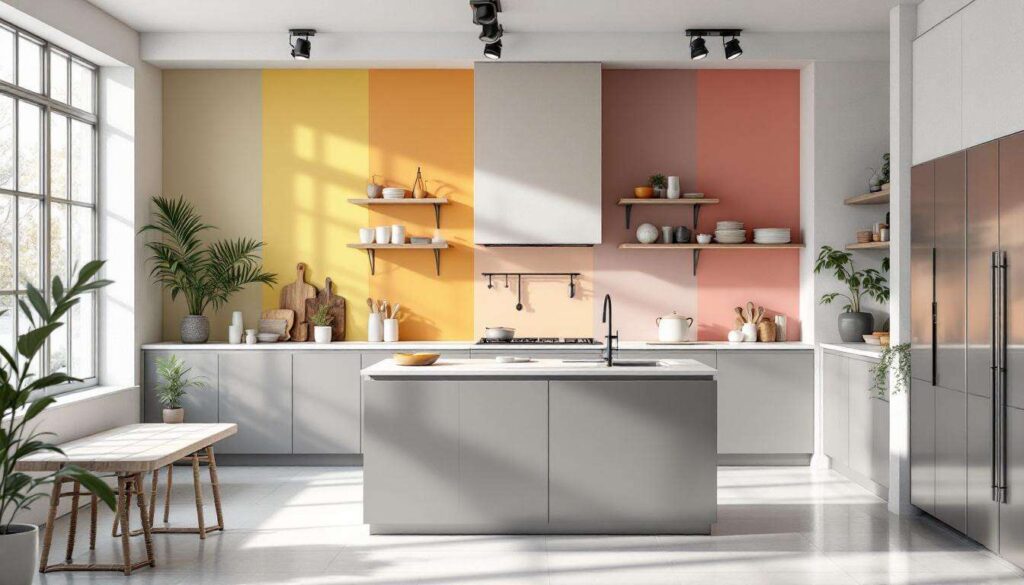
Kitchen walls have become the canvas upon which homeowners and designers express their creativity, transforming functional spaces into havens of style and comfort. The choice of wall colour sets the entire atmosphere, influencing mood, perceived space, and the overall aesthetic of what remains the heart of every home. As design preferences evolve, certain hues emerge as frontrunners, capturing the imagination of those seeking to refresh their culinary environments with contemporary flair.
Colour trends: an insight for 2026
The shift towards nature-inspired palettes
The upcoming colour trends reflect a profound connection with the natural world, marking a departure from the stark minimalism that dominated previous years. Designers and paint manufacturers alike have identified a collective desire for warmth, authenticity, and organic beauty in residential spaces. This movement stems from an increased awareness of environmental concerns and a yearning to bring the outdoors inside, creating sanctuaries that promote wellbeing and tranquillity.
Key characteristics of trending kitchen colours
The most sought-after kitchen wall colours share several defining features:
- Earthy undertones that create a grounding effect within the space
- Versatility that complements various cabinet finishes and worktop materials
- Subtle complexity that reveals different dimensions depending on natural light
- Timeless appeal that transcends fleeting fashion moments
- Psychological benefits that promote calmness and creativity
These characteristics ensure longevity and satisfaction, making them sound investments for both renovation projects and new builds. The emphasis on adaptability means these colours work harmoniously with existing décor whilst providing opportunities for future updates without requiring complete overhauls.
| Colour Category | Psychological Impact | Best Suited For |
|---|---|---|
| Green tones | Calming, refreshing | All kitchen sizes |
| Neutral earthy shades | Grounding, warm | Traditional and modern spaces |
| Blue hues | Serene, sophisticated | Contemporary kitchens |
| Terracotta family | Energising, cosy | Mediterranean-inspired designs |
Understanding these foundational principles helps explain why certain colours have risen to prominence, particularly those that echo the landscapes and materials found in nature.
Sage green, the undisputed star of kitchens
Why sage green dominates current preferences
Sage green has captured the hearts of homeowners and interior designers alike, establishing itself as the most requested kitchen wall colour. This muted, grey-tinged green offers the perfect balance between colour and neutrality, providing visual interest without overwhelming the senses. Its botanical associations evoke herb gardens and countryside vistas, bringing a sense of freshness and vitality to cooking spaces.
Pairing sage green with kitchen elements
The true versatility of sage green becomes apparent when considering its compatibility with various design elements:
- Natural oak or walnut cabinetry creates a harmonious organic palette
- White or cream units provide crisp contrast whilst maintaining softness
- Brass or copper fixtures add warmth and elegance
- Marble or granite worktops introduce subtle pattern and texture
- Black accents offer dramatic definition and contemporary edge
This adaptability makes sage green suitable for diverse kitchen styles, from rustic farmhouse aesthetics to sleek modern designs. The colour’s inherent sophistication means it ages gracefully, avoiding the dated appearance that can plague more trendy choices. Its popularity shows no signs of waning, cementing its position as a contemporary classic that bridges traditional and modern sensibilities.
Natural shades: beige and clay to soothe the space
The renaissance of warm neutrals
Beige and clay tones have undergone a remarkable transformation, shedding their reputation as bland or boring to emerge as sophisticated and intentional choices. These warm neutral shades offer depth and character that pure white cannot achieve, creating enveloping atmospheres that feel both elegant and comfortable. The resurgence stems from a desire for spaces that feel lived-in and welcoming rather than sterile or impersonal.
Creating dimension with neutral palettes
Modern interpretations of beige and clay incorporate complex undertones that shift throughout the day as natural light changes. These nuanced formulations might contain hints of pink, grey, or even green, preventing flatness and adding visual intrigue. The result is walls that serve as a perfect backdrop for both bold and subtle design choices, allowing furniture, artwork, and accessories to take centre stage.
The psychological comfort these colours provide cannot be overstated, as they create cocoon-like environments that encourage gathering and conversation. Their inherent warmth makes kitchens feel inviting regardless of climate or season, whilst their neutrality ensures they complement rather than compete with other design elements. This balance between presence and restraint explains their growing popularity amongst those seeking timeless elegance.
Mineral blue: a touch of elegant freshness
The allure of blue in culinary spaces
Mineral blue represents a departure from traditional kitchen colour choices, offering a sophisticated alternative to greens and neutrals. This dusty, muted blue evokes natural minerals and coastal landscapes, bringing a sense of calm and clarity to busy cooking environments. Unlike brighter blues that can feel cold or clinical, mineral blue contains enough grey to feel approachable and warm.
Styling considerations for blue kitchen walls
Successfully incorporating mineral blue requires thoughtful consideration of complementary elements:
- White or light grey cabinetry prevents the space from feeling too dark
- Natural wood tones add essential warmth and organic texture
- Gold or brushed nickel hardware provides subtle luxury
- Concrete or stone surfaces enhance the mineral aesthetic
- Warm lighting counterbalances the colour’s cooler undertones
The colour works particularly well in kitchens with abundant natural light, where its subtle variations can be fully appreciated. It pairs beautifully with both traditional and contemporary design schemes, proving that blue need not be relegated to bathrooms and bedrooms. This shade’s growing popularity reflects a willingness to embrace colour with confidence whilst maintaining sophistication.
The indispensable return of terracotta into our homes
Terracotta’s journey back to prominence
Once dismissed as dated, terracotta has experienced a remarkable revival, reimagined for contemporary interiors with refined sophistication. This warm, earthy orange-red draws inspiration from Mediterranean architecture and traditional pottery, bringing richness and character to kitchen spaces. Modern formulations offer softer, more nuanced versions that feel current rather than retro.
Balancing terracotta’s bold personality
The key to successfully using terracotta lies in understanding its powerful presence and balancing it appropriately. This colour works best when paired with cooling elements that prevent the space from feeling overwhelming. White cabinetry, light wood floors, and plenty of greenery help temper the warmth whilst allowing the terracotta to shine as a statement feature.
Terracotta’s ability to create instantly cosy atmospheres makes it particularly appealing for those seeking to inject personality and warmth into their kitchens. It celebrates craftsmanship and handmade aesthetics, aligning with broader trends towards artisanal and sustainable living. This colour choice signals confidence and a willingness to embrace individuality over safe neutrality.
Modern minimalism: the impact of matte white
White’s enduring relevance
Despite the rise of colour, matte white maintains its position as a perennial favourite, evolving to meet contemporary expectations. The shift from glossy to matte finishes represents a significant development, offering understated elegance that avoids the clinical appearance of high-shine whites. This subtle texture creates depth and sophistication whilst maintaining the brightness and spaciousness white provides.
The versatility of modern white kitchens
Matte white serves as the ultimate blank canvas, accommodating changing tastes and allowing for easy updates through accessories and accents. Its neutrality means it complements every material, from natural wood to industrial metal, and works with any architectural style. The matte finish also offers practical advantages, showing fewer fingerprints and imperfections than glossy alternatives.
Contemporary white kitchens avoid monotony through layering different textures and tones, incorporating various shades from warm ivory to cool snow white. This approach creates visual interest without introducing colour, proving that minimalism need not mean boring. The enduring appeal of white reflects its ability to create serene, timeless spaces that feel both modern and classic.
The kitchen wall colours emerging as favourites reflect broader cultural shifts towards sustainability, comfort, and personal expression. From the botanical charm of sage green to the Mediterranean warmth of terracotta, these hues offer diverse options for creating spaces that feel both current and enduring. Whether embracing the boldness of mineral blue or the timeless elegance of matte white, the key lies in selecting colours that resonate personally whilst complementing the overall design vision. These trending shades prove that thoughtful colour choices can transform kitchens into spaces that nourish both body and soul, creating environments where cooking becomes a pleasure and gathering feels natural.