


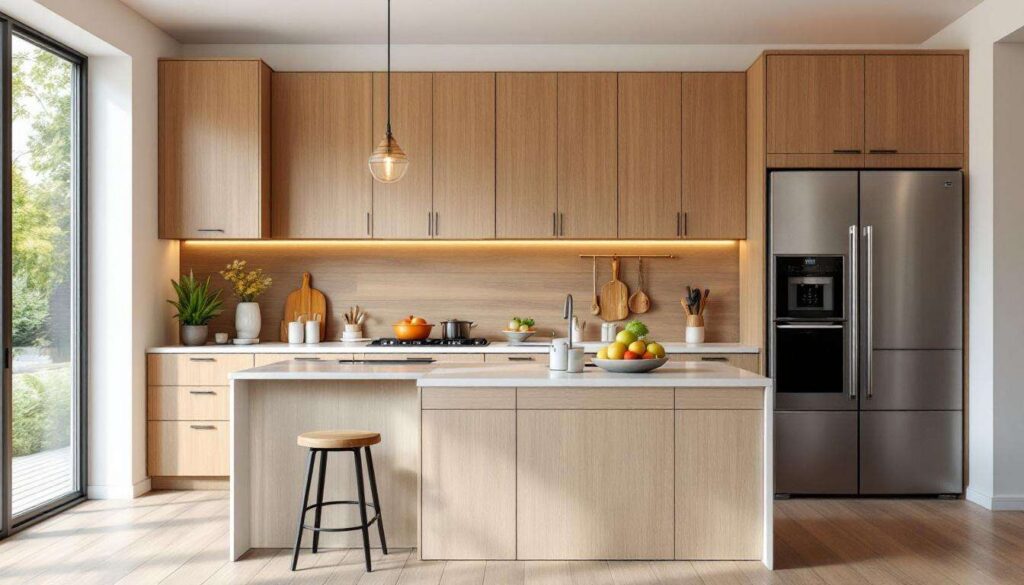
Kitchen renovations often come with hefty price tags, but one particular wood species is proving that style and affordability can coexist beautifully. Pine, a humble yet versatile material, has captured the attention of design professionals and homeowners alike, offering an accessible solution for transforming kitchen cabinets without breaking the bank. This softwood, long overlooked in favour of more expensive hardwoods, is experiencing a remarkable resurgence as décor enthusiasts discover its unique character and practical advantages. With its warm tones, distinctive grain patterns, and remarkable workability, pine presents an opportunity to achieve a high-end aesthetic at a fraction of the cost of traditional cabinet materials.
Why affordable wood is the current trend
The shift towards sustainable and budget-conscious design
The design landscape has undergone a significant transformation as homeowners prioritise value without compromising aesthetics. Economic pressures combined with a growing awareness of sustainable practices have prompted a re-evaluation of traditional material choices. Affordable wood options like pine offer an environmentally responsible alternative, as these species typically grow faster than exotic hardwoods and are more readily available from managed forests.
This movement reflects broader consumer values that emphasise:
- Conscious spending and financial prudence
- Support for local and regional timber sources
- Reduced carbon footprints associated with material transportation
- Appreciation for natural imperfections and authentic character
The appeal of natural materials in modern kitchens
Contemporary kitchen design has moved away from the sterile, uniform finishes that dominated previous decades. Instead, there’s a growing appreciation for materials that tell a story and bring warmth into functional spaces. Pine, with its visible knots, varied grain patterns, and tendency to develop a rich patina over time, offers exactly this quality. The wood’s natural variations create visual interest that synthetic materials simply cannot replicate, making each cabinet truly unique.
This renewed interest in affordable wood aligns perfectly with the desire to create kitchens that feel inviting and lived-in rather than showroom-perfect, setting the stage for understanding how influential designers are championing this material.
An iconic décor icon embraces affordable wood
The designer who changed perceptions
Shaker-style furniture makers and contemporary design influencers have long recognised pine’s potential, but recent endorsements from high-profile interior designers have elevated its status considerably. These tastemakers have demonstrated that affordability need not equate to compromise, showcasing pine cabinets in prestigious projects that rival far more expensive installations. Their advocacy has challenged the notion that only costly materials can deliver sophistication and longevity.
How influential designers use pine in their projects
Leading designers employ several techniques to maximise pine’s aesthetic potential:
- Pairing pine cabinets with high-end hardware and fixtures to create contrast
- Using specialised finishing techniques that enhance the wood’s natural beauty
- Combining pine with statement worktops in marble, concrete, or butcher block
- Incorporating open shelving to showcase the wood’s texture and grain
| Design approach | Pine application | Visual impact |
|---|---|---|
| Scandinavian minimalism | Light-stained pine with simple hardware | Airy, spacious feel |
| Rustic farmhouse | Knotty pine with distressed finish | Warm, lived-in character |
| Contemporary traditional | Painted pine with visible grain | Refined yet approachable |
These applications demonstrate pine’s remarkable versatility, leading naturally to an exploration of the specific advantages this wood offers for cabinet construction.
Benefits of affordable wood for your cabinets
Cost-effectiveness without sacrificing quality
The financial advantage of pine cannot be overstated. Pine cabinets typically cost 40-60% less than equivalent oak or maple units, making complete kitchen renovations accessible to a broader range of homeowners. This price difference stems from pine’s abundance and faster growth cycle, not from inferior quality. When properly treated and maintained, pine cabinets can last decades, offering exceptional value for money.
The savings extend beyond initial purchase costs:
- Lower labour costs due to pine’s ease of working
- Reduced transportation expenses for locally sourced timber
- More budget available for premium appliances or worktops
- Flexibility to update or modify cabinets without significant financial commitment
Workability and customisation potential
Pine’s softwood nature makes it exceptionally easy to work with, whether you’re a professional carpenter or an ambitious DIY enthusiast. The wood accepts screws and nails readily, cuts cleanly, and can be shaped with standard woodworking tools. This workability translates to greater customisation possibilities, allowing for intricate details, bespoke sizing, and personalised design elements that would be prohibitively expensive in harder woods.
Environmental considerations
Choosing pine supports sustainable forestry practices. Pine forests regenerate relatively quickly, and responsible harvesting ensures continuous supply without depleting natural resources. Many pine suppliers hold certifications from organisations like the Forest Stewardship Council, providing assurance that your cabinets contribute to environmental conservation rather than degradation.
Understanding these benefits provides the foundation for considering how to practically implement pine in your kitchen renovation project.
Transforming your kitchen with affordable wood: how-to guide
Assessing your current kitchen layout
Before selecting materials, conduct a thorough evaluation of your existing kitchen structure. Measure cabinet dimensions carefully, noting any irregularities in wall alignment or floor levels that might affect installation. Document the locations of plumbing, electrical outlets, and ventilation systems, as these will influence cabinet placement and design. Consider whether you’re replacing existing cabinets entirely or refacing them with pine veneers, as this decision significantly impacts both cost and complexity.
Preparing for installation
Proper preparation ensures successful outcomes:
- Remove all contents from existing cabinets and clear the work area
- Protect flooring, appliances, and adjacent rooms from dust and debris
- Arrange temporary kitchen facilities if the project extends beyond a few days
- Ensure adequate ventilation for finishing products and adhesives
- Gather all necessary tools before commencing work
Finishing techniques for pine cabinets
The finish you select dramatically affects the final appearance. Pine accepts stains beautifully, allowing you to achieve anything from pale Scandinavian tones to rich amber hues. Consider these popular finishing options:
| Finish type | Appearance | Maintenance level |
|---|---|---|
| Clear varnish | Natural wood colour with protection | Moderate |
| Oil-based stain | Enhanced grain, darker tones | Low to moderate |
| Paint | Solid colour, grain texture visible | Low |
| Wax finish | Soft sheen, traditional appearance | Higher |
Apply multiple thin coats rather than single thick applications for superior durability and appearance. Allow adequate drying time between coats, and sand lightly with fine-grit paper to ensure smooth adhesion of subsequent layers.
With installation methods understood, attention turns to selecting the specific pine variety and grade that best suits your requirements.
Steps to choosing the perfect wood for your kitchen cabinets
Understanding different pine varieties
Not all pine is created equal. Different species offer distinct characteristics that influence both appearance and performance. Yellow pine, also known as southern pine, features a pronounced grain pattern and natural resistance to wear. White pine presents a more uniform, subtle grain with excellent workability. Knotty pine embraces natural imperfections, creating rustic charm, whilst clear pine offers a more refined, contemporary aesthetic.
Grading systems explained
Timber grading determines quality and price. Understanding these classifications helps you make informed decisions:
- Select grade: minimal knots, uniform colour, premium price
- Number 1 common: small, tight knots, good balance of quality and cost
- Number 2 common: larger knots, more colour variation, budget-friendly
- Construction grade: significant imperfections, suitable for painted finishes
Matching wood to your kitchen style
Your design vision should guide material selection. Modern minimalist kitchens benefit from clear-grade pine with light staining or white paint, emphasising clean lines and simplicity. Traditional country kitchens embrace knotty pine’s character, often finished with warm stains that highlight natural variations. Contemporary eclectic spaces might combine different pine grades, creating visual interest through contrasting cabinet sections.
Questions to ask your supplier
Ensure you gather comprehensive information before purchasing:
- What moisture content does the timber have, and is it kiln-dried ?
- Does the supplier offer matching services for consistent grain patterns ?
- What warranty or guarantee covers the wood ?
- Are return policies available for unsuitable pieces ?
- Can the supplier provide references or examples of completed projects ?
Armed with selection criteria, you can now explore creative applications that maximise pine’s aesthetic potential in your kitchen.
Inspiration and décor ideas with affordable wood
Colour schemes that complement pine
Pine’s warm undertones pair beautifully with specific colour palettes. Soft whites and creams create bright, airy spaces that feel larger and more welcoming. Deep blues and greens provide striking contrast whilst maintaining a natural, organic feel. Neutral greys offer contemporary sophistication, allowing the wood’s texture to become a focal point rather than competing with bold colours.
Hardware and accessory selections
Cabinet hardware significantly influences the overall aesthetic. Consider these combinations:
| Hardware style | Best pine finish | Overall effect |
|---|---|---|
| Brass or copper | Medium to dark stain | Warm, traditional elegance |
| Matte black | Light stain or painted | Modern industrial contrast |
| Brushed nickel | Natural or clear finish | Contemporary clean lines |
| Ceramic or porcelain | Painted pine | Cottage charm |
Mixing materials for visual interest
Pine cabinets need not dominate every surface. Create depth by incorporating complementary materials. Use pine for base cabinets whilst installing open shelving in reclaimed wood or metal for upper storage. Combine pine cabinet doors with contrasting drawer fronts in painted finishes. Integrate glass-fronted cabinets to break up solid pine expanses and showcase dishware or decorative items.
Lighting strategies to enhance wood grain
Proper illumination brings pine’s natural beauty to life. Install under-cabinet lighting to create warm ambient glow that highlights grain patterns. Use pendant lights with warm-toned bulbs above islands or dining areas to complement pine’s golden hues. Consider interior cabinet lighting for glass-fronted units, creating focal points that draw the eye and add dimension to the space.
Pine cabinets offer an accessible pathway to kitchen transformation, combining affordability with genuine aesthetic appeal. The wood’s natural warmth, distinctive character, and remarkable versatility make it an intelligent choice for homeowners seeking to balance budget constraints with design ambitions. Whether you’re drawn to rustic farmhouse charm or contemporary minimalist elegance, pine adapts to diverse styles whilst maintaining its inherent beauty. By understanding proper selection, installation, and finishing techniques, you can create a kitchen that rivals far more expensive renovations, proving that thoughtful material choices matter more than premium price tags. The endorsement from influential designers confirms what practical homeowners have long suspected: sometimes the most affordable option is also the most appealing.