

Happiness at home isn’t just about comfort or convenience. Research increasingly shows that our living spaces have a profound effect on our mental health and emotional well-being. The décor trend currently sweeping through interior design circles focuses on creating environments that actively boost mood and reduce stress. This approach combines vibrant colour palettes, natural elements, and thoughtfully chosen accessories to transform ordinary rooms into sanctuaries of positivity. Best of all, achieving this uplifting aesthetic doesn’t require a substantial budget or a complete renovation. With strategic choices and creative thinking, anyone can harness the power of design to cultivate a happier home.
The impact of colours on well-being
Understanding colour psychology in interior design
Colour exerts a remarkable influence on human emotions and behaviour. Warm tones such as yellow, orange, and coral stimulate energy and optimism, whilst cool shades like blue and green promote calmness and concentration. The happiness-boosting décor trend centres on incorporating these psychologically beneficial hues throughout living spaces.
Yellow stands out as particularly effective for enhancing mood. Studies have demonstrated that this cheerful shade increases serotonin production in the brain, the neurotransmitter associated with feelings of happiness and well-being. Even small doses of yellow can transform a room’s atmosphere.
Strategic colour placement for maximum impact
Implementing this trend doesn’t mean painting every wall in bright colours. Strategic accent walls offer an affordable way to introduce happiness-inducing shades without overwhelming a space. Consider these approaches:
- Paint a single feature wall in a cheerful tone whilst keeping remaining walls neutral
- Use colourful removable wallpaper for commitment-free experimentation
- Introduce colour through painted furniture pieces rather than permanent fixtures
- Layer different shades of the same colour family for depth and interest
Budget-conscious decorators can purchase sample paint pots for under £5 to test colours before committing to full tins. This practical approach prevents costly mistakes whilst allowing creative exploration.
Once you’ve established a foundation of mood-enhancing colours, the next step involves maximising natural light to amplify their positive effects.
Creating a bright interior: tips and tricks
Maximising natural light sources
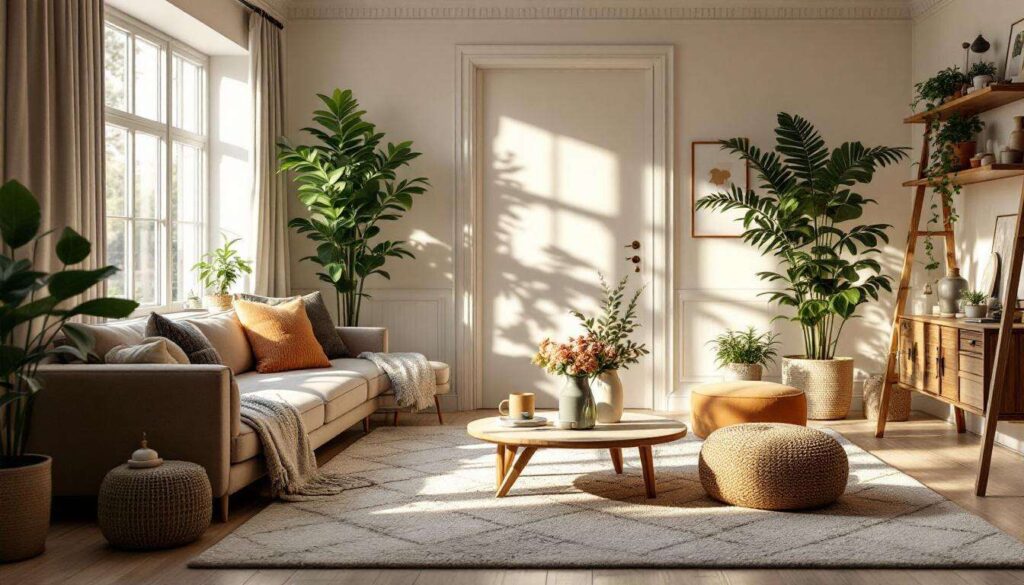
Natural light serves as the cornerstone of happiness-inducing interiors. Sunlight regulates circadian rhythms, improves sleep quality, and naturally elevates mood. Maximising existing light sources requires thoughtful arrangement rather than expensive renovations.
Keep window areas clear of heavy furniture and bulky obstacles. Sheer curtains or lightweight blinds provide privacy whilst allowing sunlight to filter through. Mirrors positioned opposite windows effectively double the amount of natural light in a room by reflecting it throughout the space.
Artificial lighting solutions that mimic daylight
When natural light proves limited, strategic artificial lighting fills the gap. LED bulbs with colour temperatures between 5000K and 6500K replicate daylight conditions and cost less than £10 for a multi-pack. These bulbs consume minimal electricity whilst providing bright, energising illumination.
| Lighting type | Colour temperature | Best placement | Budget range |
|---|---|---|---|
| Daylight LEDs | 5000-6500K | Work areas, kitchens | £8-£15 |
| Warm white | 2700-3000K | Bedrooms, living rooms | £6-£12 |
| Task lighting | 4000-4500K | Reading nooks, desks | £10-£25 |
Layer different light sources at various heights to create depth and eliminate harsh shadows. Floor lamps, table lamps, and overhead fixtures working together produce a welcoming, well-lit environment that supports positive emotions.
Complementing your brightened space with living elements takes the happiness factor even further.
Plants for a calming atmosphere
The psychological benefits of indoor greenery
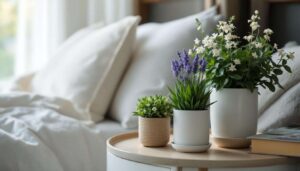
Incorporating plants into interior design delivers measurable psychological benefits. Research indicates that indoor plants reduce stress levels, improve air quality, and increase feelings of well-being. The happiness décor trend embraces botanical elements as essential rather than optional accessories.
Plants create visual interest through varied textures, shapes, and shades of green. They introduce organic forms that soften hard architectural lines and bring a sense of nature indoors, even in urban environments.
Budget-friendly plant choices for beginners
Starting a plant collection needn’t strain finances. Many happiness-boosting varieties cost under £10 and require minimal maintenance:
- Pothos: thrives in low light and forgives occasional neglect
- Spider plants: produce offshoots that can be propagated for free expansion
- Snake plants: require watering only every few weeks
- Peace lilies: bloom regularly and tolerate various light conditions
Propagation offers the most economical way to expand your collection. Many plants grow readily from cuttings placed in water, allowing you to multiply a single purchase into multiple specimens. Friends and family often happily share cuttings from their own plants at no cost.
Secondhand shops and supermarkets frequently stock affordable planters, or you can repurpose containers like tin cans and glass jars for a budget-friendly, personalised look.
With natural elements established, attention turns to the furniture pieces that anchor your happiness-focused space.
Functional and stylish furniture on a budget
Sourcing affordable furniture with character
Quality furniture doesn’t demand premium prices. Charity shops, online marketplaces, and car boot sales offer hidden treasures at fraction-of-retail costs. Solid wood pieces from decades past often surpass modern flat-pack furniture in durability and can be refreshed with paint or new hardware.
Facebook Marketplace, Gumtree, and Freecycle regularly feature free or inexpensive furniture from people downsizing or redecorating. Patience and regular checking yield remarkable finds that simply need cleaning or minor repairs.
Upcycling techniques for personalised pieces
Transforming dated furniture into happiness-boosting statement pieces requires minimal investment. A tin of furniture paint costs around £15-£25 and covers multiple items. Consider these simple upcycling approaches:
- Paint wooden chairs in cheerful colours that complement your palette
- Replace drawer knobs with colourful ceramic or brass alternatives
- Add peel-and-stick wallpaper to drawer fronts or cabinet backs
- Sand and stain wood surfaces to reveal natural grain
Upcycling serves dual purposes: it saves money whilst creating unique pieces that reflect personal style. Mass-produced furniture rarely generates the same emotional connection as items you’ve personally transformed.
Beyond furniture selection, the way you make spaces truly your own determines how happy you feel within them.
Personalisation: the art of feeling at home
Displaying meaningful items
Personal touches transform generic spaces into homes that nurture happiness. Photographs, artwork, and collected objects tell your story and create emotional anchors throughout your living space. These items cost nothing if you already own them, yet contribute immeasurably to well-being.
Create gallery walls using frames from pound shops or charity shops. Mix frame styles and sizes for an eclectic, curated appearance. Print favourite photographs at supermarket photo counters for under £1 each, making this personalisation approach extremely affordable.
DIY artwork and creative displays
Original artwork needn’t come from galleries or expensive prints. Creating your own pieces adds authenticity whilst keeping costs minimal. Abstract paintings require only canvas boards (£3-£5 each) and acrylic paints in your chosen colour palette.
Alternative display ideas include:
- Framing beautiful fabric remnants as textile art
- Creating pressed flower arrangements under glass
- Displaying collections of natural objects like shells or interesting stones
- Hanging postcards, greeting cards, or magazine pages that resonate emotionally
The key lies in surrounding yourself with items that spark joy and positive memories. Authenticity matters more than monetary value when cultivating happiness through décor.
Whilst larger elements establish the foundation, smaller decorative details often make the most significant emotional impact.
Decor accessories: the effect of small details
Textiles that add warmth and colour
Cushions, throws, and rugs introduce softness and colour without permanent commitment. These changeable elements allow seasonal refreshes and mood adjustments as preferences evolve. Budget retailers offer cushion covers from £3-£8, making it affordable to maintain several sets for rotation.
Layering different textures creates visual and tactile interest. Combine smooth cotton with chunky knits, velvet with linen, and patterned fabrics with solid colours. This approach adds depth and sophistication regardless of budget constraints.
Scent and sound as happiness enhancers
Happiness-inducing décor extends beyond visual elements. Scent powerfully affects mood and memory, making it an essential component of well-being-focused interiors. Essential oil diffusers cost under £15, and oils like citrus, lavender, and eucalyptus promote specific emotional states.
Sound also contributes to atmospheric happiness. Affordable Bluetooth speakers allow you to fill spaces with uplifting music, nature sounds, or calming ambient noise. Position speakers strategically to create immersive audio environments.
The power of decluttering
Perhaps the most budget-friendly happiness booster costs nothing at all: decluttering. Removing excess possessions reduces visual chaos, decreases stress, and allows remaining items to shine. This process creates space for the carefully chosen elements that genuinely contribute to well-being.
Regular decluttering maintains the positive atmosphere you’ve created through intentional design choices.
Transforming your home into a happiness-boosting sanctuary proves entirely achievable on a modest budget. The key lies in understanding how colours, light, natural elements, and personal touches work together to influence emotional well-being. Strategic use of mood-enhancing hues, maximising natural light, incorporating affordable plants, sourcing second-hand furniture, and adding meaningful personal details create spaces that actively support mental health. Small changes accumulate into significant impacts, proving that happiness at home stems from thoughtful choices rather than substantial spending. By implementing these accessible strategies, anyone can cultivate an environment that nurtures positivity, reduces stress, and genuinely feels like home.