


Homeowners and decorators have long wrestled with the challenge of securing skirting boards to walls without causing damage or creating unsightly holes. The quest for a cleaner, more efficient installation method has led to innovative solutions that eliminate the need for drilling altogether. This modern approach transforms a traditionally messy and time-consuming task into a straightforward process that preserves wall integrity whilst delivering professional results. The technique relies on advanced adhesive technology that creates bonds strong enough to withstand daily wear whilst remaining accessible to DIY enthusiasts and professionals alike.
What is a skirting board and its importance
Defining the skirting board
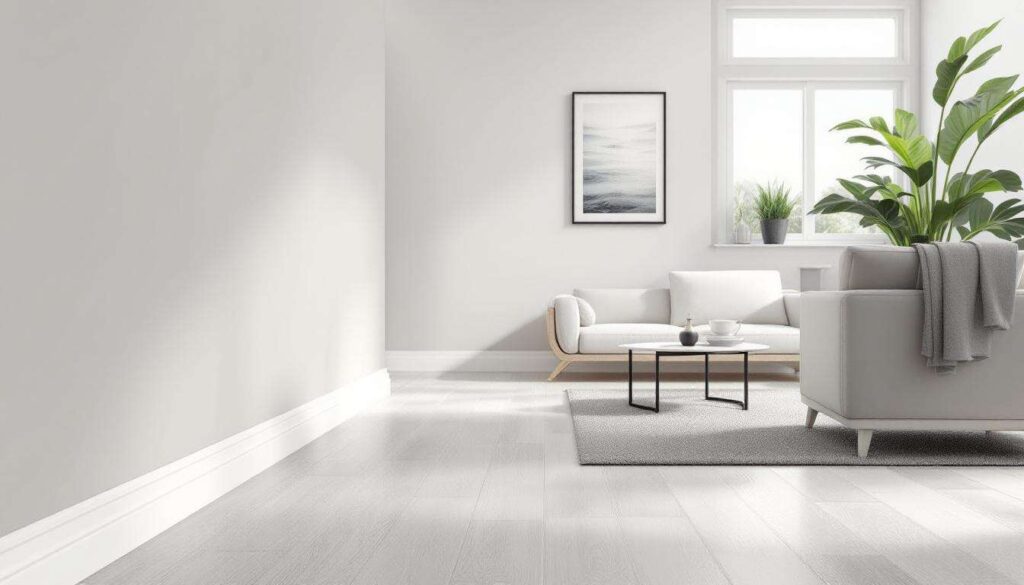
A skirting board, also known as a baseboard in some regions, is the decorative and protective strip of material fixed along the bottom of interior walls where they meet the floor. These architectural features typically measure between 70mm and 200mm in height and can be crafted from various materials including timber, MDF, PVC, or composite materials. The design ranges from simple, flat profiles to ornate Victorian-style mouldings with intricate detailing that adds character to any room.
Functional benefits
Skirting boards serve multiple practical purposes beyond their aesthetic appeal. They protect walls from impact damage caused by furniture, vacuum cleaners, and foot traffic. The boards also conceal the expansion gap required between flooring and walls, particularly crucial for laminate and wooden floors that expand and contract with temperature and humidity changes. Additionally, they provide:
- A channel for hiding electrical cables and pipework
- Protection against moisture damage at floor level
- Visual balance that frames a room and defines its proportions
- A barrier preventing dust and debris from accumulating in wall-floor junctions
Aesthetic contribution
From a design perspective, skirting boards create a finished appearance that ties together flooring and wall treatments. They can complement or contrast with existing décor, adding depth and visual interest to otherwise plain walls. Period properties often feature elaborate profiles that reflect historical architectural styles, whilst contemporary homes favour cleaner, minimalist designs. The choice of colour, height, and profile significantly impacts a room’s perceived proportions and overall ambience.
Understanding these fundamental aspects highlights why proper installation matters so significantly, which brings attention to the challenges posed by conventional fixing approaches.
Limitations of traditional fixing methods
Drilling-related complications
Traditional skirting board installation relies heavily on drilling and screwing or nailing into walls, a process fraught with potential problems. Drilling creates dust, requires protective coverings for furniture and flooring, and demands precise measurements to avoid striking hidden pipes or electrical cables. The holes themselves become permanent features that complicate future renovations or board removal. Masonry walls necessitate specialist drill bits and considerable physical effort, whilst plasterboard walls risk crumbling around fixings, compromising hold strength.
Material damage concerns
Different wall types present unique challenges that make drilling problematic:
- Tile walls risk cracking or shattering when drilled
- Plasterboard requires wall plugs that may not provide adequate support
- Brick and concrete generate excessive dust and noise
- Older walls with unknown compositions pose hidden hazards
The permanent nature of drilled holes limits flexibility for homeowners who wish to update their interiors or correct installation errors. Filling and repainting holes adds time and expense to any redecoration project, leaving visible marks that rarely match the original wall finish perfectly.
Time and skill requirements
Conventional installation demands considerable expertise and specialised tools. Achieving level, gap-free results requires patience, precision measuring, and familiarity with various wall types. Many DIY attempts result in uneven boards, visible gaps, or splitting at screw points. Professional installation, whilst delivering superior results, commands premium pricing that reflects the labour-intensive nature of the work.
These inherent drawbacks have spurred development of alternative approaches that address the shortcomings of drilling-based methods.
Introduction of the modern hole-free technique
Adhesive technology explained
The contemporary solution centres on high-strength polymer adhesives specifically formulated for construction applications. These products create molecular bonds between skirting boards and wall surfaces that rival or exceed the holding power of mechanical fixings. Modern grab adhesives cure through moisture absorption from the air, developing full strength within 24 to 48 hours whilst providing immediate grab that holds boards in position during installation.
Application methodology
The installation process follows a straightforward sequence that eliminates drilling entirely:
- Surface preparation through cleaning and degreasing both wall and board
- Application of adhesive in continuous beads or dots along the board reverse
- Pressing the board firmly against the wall for 30 to 60 seconds
- Temporary support using props or tape whilst adhesive sets
- Final curing period before removing supports
Some systems incorporate double-sided mounting tapes engineered for permanent bonding, offering instant hold without curing time. These tapes feature acrylic foam cores that conform to surface irregularities, distributing stress evenly across the bond line.
Product variations
Several adhesive formulations cater to different requirements and wall types. Solvent-free versions suit occupied spaces where ventilation is limited, whilst rapid-setting variants reduce installation time. Flexible adhesives accommodate slight movement in buildings, preventing bond failure due to thermal expansion or structural settling. Specialist products exist for challenging surfaces including tiles, metal, and painted walls that traditionally resist adhesion.
Understanding these technical aspects reveals why this approach delivers advantages that extend beyond simply avoiding holes.
Advantages of hole-free fixing
Installation simplicity
The adhesive method dramatically reduces the skill level required for professional-looking results. Without the need for drilling, measuring for fixings, or managing screws and plugs, installation becomes accessible to novice DIYers. The absence of power tools eliminates noise concerns, making the work suitable for flats and shared accommodation where drilling restrictions apply. Clean-up involves minimal effort compared to the dust and debris generated by traditional methods.
Wall preservation benefits
| Aspect | Traditional Method | Adhesive Method |
|---|---|---|
| Wall damage | Permanent holes | No penetration |
| Removal ease | Holes require filling | Clean removal possible |
| Redecoration impact | Visible repair marks | Minimal surface preparation |
| Rental suitability | May violate terms | Landlord-friendly |
Aesthetic improvements
Adhesive fixing eliminates visible screw heads or nail points that interrupt the smooth finish of painted skirting boards. The continuous bond line prevents the slight warping or gaps that sometimes occur between mechanical fixings, creating seamless integration with the wall. This proves particularly valuable for high-gloss or metallic finishes where imperfections become conspicuous.
Versatility across materials
The technique works equally well with diverse skirting board materials:
- Lightweight PVC and foam boards that split easily when nailed
- MDF profiles that lack the structural integrity for screwing
- Solid timber boards requiring gap-free mounting
- Flexible rubber or vinyl cove base systems
This universal compatibility streamlines material selection, allowing designers to prioritise aesthetics and performance rather than fixing compatibility.
The practical implications of these advantages become clearer when examining how the technique performs across various wall constructions.
Practical applications on different walls
Plasterboard and drywall installations
Adhesive fixing proves particularly advantageous on plasterboard walls where mechanical fixings often pull through or require additional support. The distributed load across the entire bond area prevents the localised stress that causes plasterboard failure. Surface preparation involves ensuring the plaster is fully dry and applying a primer if the wall has been recently painted with emulsion containing high levels of PVA.
Masonry and brick surfaces
On solid walls, the adhesive method eliminates concerns about striking mortar joints or dealing with uneven surfaces. High-grab formulations compensate for the slight irregularities typical of rendered or plastered masonry, creating reliable bonds without the need for perfect flatness. Older properties with soft lime plaster benefit particularly, as drilling often causes crumbling that compromises fixing strength.
Tiled and ceramic wall applications
Installing skirting boards over tiles traditionally poses significant challenges due to cracking risks. Adhesive mounting provides a safe alternative that preserves expensive tiling whilst creating secure bonds. Specialist primers enhance adhesion to glossy ceramic surfaces, ensuring long-term reliability. This approach suits bathrooms and utility rooms where moisture resistance is paramount.
Challenging surfaces
The technique extends to scenarios where drilling proves impractical or impossible:
- Metal stud walls with limited fixing points
- Glass or mirrored surfaces requiring damage-free mounting
- Curved walls where boards must conform to irregular profiles
- Temporary installations requiring future removal without damage
Understanding these diverse applications naturally leads to consideration of the financial and temporal benefits this approach delivers.
Comparison of costs and time saved
Financial analysis
The economic advantages of adhesive fixing become apparent when comparing comprehensive costs:
| Cost Element | Traditional Method | Adhesive Method |
|---|---|---|
| Basic materials | £30-50 (screws, plugs, filler) | £25-40 (adhesive tubes) |
| Tool investment | £80-200 (drill, bits, detector) | £10-20 (applicator gun) |
| Professional labour | £200-400 per room | £120-250 per room |
| Repair costs | £50-100 (filling, painting) | £0-20 (minimal touch-up) |
The cumulative savings prove substantial, particularly for multi-room projects or rental properties requiring frequent updates. Homeowners without existing drilling equipment avoid significant capital expenditure, whilst the reduced labour time translates directly to lower professional installation costs.
Time efficiency gains
Installation duration decreases markedly with adhesive methods. A typical room requiring 15 metres of skirting board takes approximately:
- Traditional method: 4-6 hours including drilling, fixing, and filling
- Adhesive method: 2-3 hours including surface preparation and application
The elimination of drilling, changing drill bits, and managing fixings accounts for much of this reduction. Cleanup time diminishes substantially without dust containment and debris removal requirements.
Long-term value considerations
Beyond immediate savings, the hole-free approach delivers ongoing benefits. Future redecoration projects proceed faster without hole-filling requirements, and the ability to remove boards cleanly preserves property value. Rental properties maintain better condition between tenancies, reducing void periods and refurbishment costs. The flexibility to update interiors without permanent wall damage encourages more frequent refreshment of living spaces.
The modern adhesive technique for fixing skirting boards represents a significant advancement in interior finishing methods. By eliminating drilling requirements, this approach addresses the fundamental limitations of traditional installation whilst delivering superior results across diverse wall types and materials. The combination of reduced costs, faster installation, and preserved wall integrity makes hole-free fixing the logical choice for contemporary homes. Whether undertaking DIY projects or commissioning professional work, homeowners can now achieve flawless skirting board installation without compromising their walls or budgets. The technology continues to evolve, with manufacturers developing ever-stronger formulations that expand the possibilities for damage-free interior improvements.