



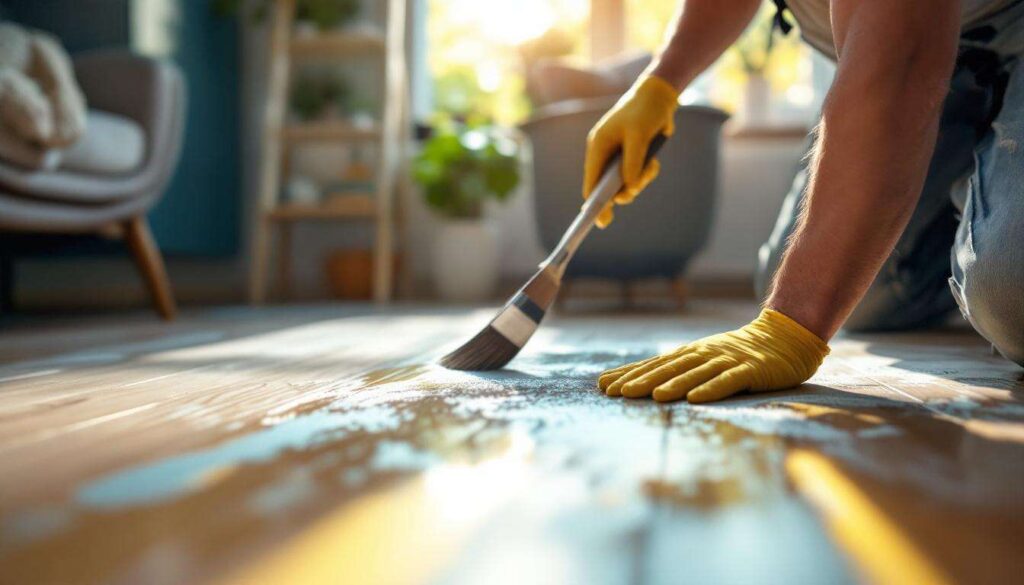
Paint splatters on floors are a common frustration for homeowners and decorators alike. Whether from a recent renovation project or years-old marks, these stubborn stains can detract from the appearance of otherwise pristine flooring. Whilst commercial paint removers offer a quick solution, they often contain harsh chemicals that pose risks to both health and the environment. A growing number of DIY enthusiasts and professional handymen are turning to a surprisingly effective alternative found in most kitchen cupboards: vinegar. This natural acid offers a gentle yet powerful method for lifting dried paint from various floor surfaces, combining effectiveness with environmental responsibility. The technique requires minimal equipment, costs very little, and delivers impressive results without the toxic fumes associated with conventional paint strippers.
Understanding the reasons for paint splatters on the floor
Paint splatters occur during virtually every decorating project, regardless of the painter’s skill level. Even experienced professionals encounter accidental drips and splashes that land on flooring surfaces. These incidents typically arise from several common scenarios that are worth examining to understand the challenge they present.
Common causes of paint accidents
The most frequent culprits behind floor paint stains include overloaded brushes and rollers that drip during application. When painters work on ceilings or upper walls, gravity naturally causes excess paint to fall downwards. Rapid movements whilst painting can also flick small droplets across considerable distances. Inadequate floor protection compounds the problem, as dustsheets may shift or leave gaps that expose flooring to accidental contact.
Why old paint proves particularly stubborn
Fresh paint wipes away relatively easily, but dried paint bonds chemically with floor surfaces over time. The curing process causes paint polymers to harden and adhere firmly to porous materials like wood and some tiles. Oil-based paints present an especially difficult challenge as they form extremely durable films once fully cured. Water-based emulsions, whilst somewhat easier to address, still require proper techniques for complete removal after they have set.
Understanding these causes helps explain why targeted cleaning methods prove necessary, particularly when dealing with aged stains that have survived multiple cleaning attempts.
Why choose vinegar to clean paint stains
White distilled vinegar has emerged as a preferred solution for paint removal amongst environmentally conscious homeowners. Its effectiveness stems from acetic acid content, which typically ranges between 4% and 7% in household varieties.
The chemical properties that make vinegar effective
Acetic acid works by softening the polymer bonds within dried paint, gradually breaking down its adhesion to floor surfaces. This process occurs without the aggressive action of synthetic solvents, making it safer for both users and flooring materials. The mild acidic nature of vinegar means it can tackle paint whilst remaining gentle enough not to damage most floor finishes when used correctly.
Advantages over commercial paint removers
| Aspect | Vinegar | Commercial Removers |
|---|---|---|
| Cost | Very low | Moderate to high |
| Toxicity | Minimal | Often significant |
| Fumes | Mild odour | Strong chemical vapours |
| Environmental impact | Biodegradable | Often harmful |
| Availability | Widely available | Specialist suppliers |
Beyond these practical benefits, vinegar poses no risk of chemical burns and requires no special disposal procedures, making it an accessible option for households with children or pets.
These compelling advantages naturally lead to the practical question of implementation, which requires a systematic approach for optimal results.
Steps to using vinegar effectively
Successful paint removal with vinegar depends on proper preparation and technique. The process requires patience but delivers satisfying results when executed correctly.
Preparing the vinegar solution
For most paint types, undiluted white vinegar provides sufficient strength. However, particularly stubborn stains may benefit from heating the vinegar to approximately 40-50 degrees Celsius, which enhances its penetrating ability. Never boil vinegar, as this reduces its acidity through evaporation.
Application method for best results
The recommended procedure follows these steps:
- Clean the affected area with warm soapy water to remove surface dirt
- Apply heated or room-temperature vinegar directly onto the paint splatter
- Allow the vinegar to sit for 15-30 minutes, depending on paint thickness
- Gently scrape the softened paint using a plastic scraper or old credit card
- Reapply vinegar as needed for multiple layers or stubborn spots
- Wipe the area clean with a damp cloth once paint is removed
- Rinse thoroughly with clean water to remove vinegar residue
Tools that complement the vinegar method
Soft-bristled brushes work well for textured surfaces where scrapers cannot reach effectively. Microfibre cloths absorb both vinegar and loosened paint particles efficiently. For particularly resistant stains, a combination of vinegar soaking and gentle abrasion with fine-grade steel wool may prove necessary on appropriate floor types.
Whilst the cleaning effectiveness of vinegar is impressive, its broader environmental credentials deserve equal consideration.
The environmental benefits of cleaning with vinegar
Choosing vinegar for paint removal extends beyond personal convenience to encompass significant ecological advantages. This humble household product exemplifies sustainable cleaning practices that reduce environmental harm without compromising effectiveness.
Reduced chemical pollution
Conventional paint strippers often contain methylene chloride, toluene, or other volatile organic compounds that contribute to air pollution and water contamination. Vinegar breaks down naturally in the environment, leaving no persistent toxic residues. When rinsed down drains, it poses minimal threat to aquatic ecosystems or water treatment facilities.
Lower carbon footprint
The production of synthetic solvents requires energy-intensive chemical processes and petroleum-derived ingredients. Vinegar manufacturing, by contrast, relies on natural fermentation of renewable resources. Its widespread availability also eliminates the need for specialised transportation and packaging associated with niche chemical products.
Contribution to healthier indoor air quality
Using vinegar avoids releasing harmful fumes into home environments. This consideration proves particularly important in poorly ventilated spaces or households with respiratory sensitivities. The mild acetic acid vapour dissipates quickly and causes no long-term air quality degradation.
Despite these advantages, responsible use requires awareness of certain limitations and potential risks associated with vinegar application.
Precautions when using vinegar on floors
Whilst vinegar offers a safer alternative to chemical strippers, it is not universally suitable for all flooring types. Understanding its limitations prevents accidental damage to valuable surfaces.
Floor types requiring caution
Natural stone floors including marble, limestone, and travertine are particularly vulnerable to acid damage. The acetic acid in vinegar can etch these surfaces, causing permanent dullness or discolouration. Hardwood floors with wax finishes may also suffer degradation from prolonged vinegar exposure, as the acid can break down protective wax layers.
Testing before full application
Always conduct a spot test in an inconspicuous area before treating visible paint splatters. Apply a small amount of vinegar and wait 10-15 minutes to observe any adverse reactions such as discolouration, dulling, or surface softening. This simple precaution prevents widespread damage from incompatible combinations.
Protective measures during use
- Wear rubber gloves to prevent skin irritation from prolonged vinegar contact
- Ensure adequate ventilation to disperse acetic acid vapours
- Avoid excessive saturation that could seep into floor joints or under surface layers
- Never mix vinegar with bleach or other cleaning products, as this creates dangerous fumes
- Rinse treated areas thoroughly to prevent residual acidity from affecting floor finishes
For situations where vinegar proves unsuitable or ineffective, several alternative approaches merit consideration.
Alternatives to vinegar for cleaning paint stains
When vinegar cannot safely address paint splatters, other methods offer viable solutions. Each alternative suits particular circumstances and floor types, providing flexibility for different cleaning challenges.
Mechanical removal techniques
For sealed concrete or tile floors, careful scraping with metal tools can remove paint without chemicals. Oscillating multi-tools fitted with scraper blades allow precise control for stubborn deposits. Heat guns soften paint for easier removal, though this method requires caution to avoid damaging underlying surfaces or creating toxic fumes from certain paint types.
Natural oil-based solutions
Citrus-based cleaners containing d-limonene offer biodegradable paint-dissolving properties similar to vinegar. These products work particularly well on oil-based paints. Olive oil or coconut oil can also soften latex paint splatters through gentle mechanical action combined with the oil’s penetrating properties.
Commercial eco-friendly options
Several manufacturers now produce plant-derived paint removers that avoid harsh solvents whilst delivering professional results. These formulations typically combine natural acids, surfactants, and biodegradable solvents. Though more expensive than vinegar, they provide stronger action for extensive paint removal projects whilst maintaining environmental responsibility.
Paint splatters need not become permanent blemishes on flooring surfaces. The vinegar method demonstrates how effective cleaning solutions often exist within everyday household items, offering both practical results and environmental benefits. By understanding the causes of paint accidents, selecting appropriate removal techniques, and applying them with proper precautions, homeowners can restore floors to their original condition. Whether choosing vinegar for its sustainability credentials or exploring alternative methods suited to specific floor types, the key lies in patience and careful application. This approach transforms a frustrating decorating aftermath into a manageable task, proving that sustainable solutions frequently outperform their chemical-laden counterparts.