



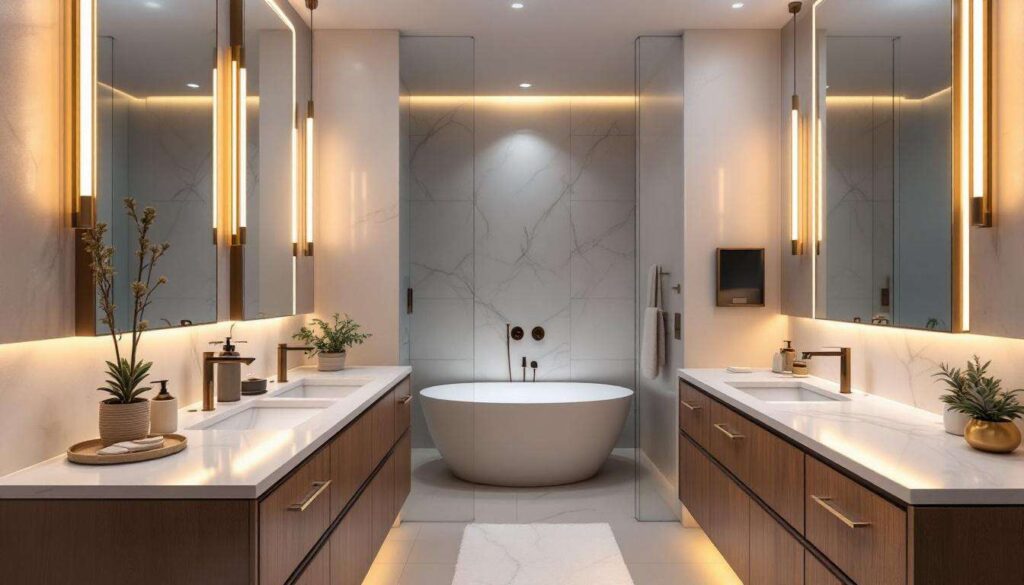
Renovating a bathroom remains one of the most strategic investments for homeowners seeking to enhance both their living space and property value. The decision to undertake such a project requires careful financial planning, particularly as material costs and labour rates continue to evolve. Understanding the true expenses involved, from initial design through to final installation, helps prevent costly surprises and ensures the renovation delivers genuine value. With property markets remaining competitive, a well-executed bathroom upgrade can significantly influence buyer perception whilst improving daily comfort for current residents.
The real cost of a bathroom renovation in 2026
Understanding the baseline investment
A standard bathroom renovation in 2026 typically ranges between £4,500 and £12,000, depending on the scope and quality of materials selected. This baseline covers essential elements including fixtures, tiling, plumbing adjustments, and basic electrical work. Budget-conscious renovations focusing on cosmetic updates may start around £3,000, whilst luxury transformations incorporating premium materials and bespoke features can exceed £20,000.
| Renovation Type | Estimated Cost Range | Typical Scope |
|---|---|---|
| Basic refresh | £3,000 – £5,000 | New fixtures, paint, minor tiling |
| Mid-range renovation | £6,000 – £12,000 | Complete suite replacement, full tiling, lighting upgrades |
| Premium transformation | £13,000 – £25,000+ | Luxury fixtures, underfloor heating, bespoke cabinetry |
Breaking down the major cost components
The largest expense categories in bathroom renovations distribute across several key areas. Labour typically accounts for 40-50% of the total budget, with skilled tradespeople commanding premium rates for quality workmanship. Materials represent 30-40% of costs, whilst fixtures and fittings consume the remaining 20-30%.
- Plumbing work: £800 – £2,500 depending on pipe relocation and fixture complexity
- Electrical installations: £500 – £1,500 for lighting, heated towel rails, and ventilation
- Tiling labour and materials: £1,200 – £3,500 based on area coverage and tile quality
- Bathroom suite: £600 – £4,000 for toilet, basin, and bath or shower enclosure
- Flooring: £400 – £1,200 including preparation and installation
These figures reflect current market conditions where skilled labour shortages continue to influence pricing. Tradespeople with proven expertise in waterproofing and complex installations command higher rates, yet their work often prevents expensive remedial work later.
Understanding these fundamental costs provides the foundation for realistic budgeting, though numerous variables can significantly alter final expenditure.
The factors that increase the bill
Structural modifications and layout changes
Moving plumbing fixtures from their original positions represents one of the most significant cost escalators in bathroom renovations. Relocating a toilet can add £800-£1,500 to the budget, whilst repositioning a bath or shower may increase costs by £1,000-£2,000. These alterations require extensive pipework modifications, potentially affecting floor joists and wall structures.
Structural changes such as removing walls, installing new windows, or adding skylights introduce substantial additional expenses. Building regulations compliance becomes mandatory for such modifications, requiring approved drawings and inspections that add both time and cost to projects.
Premium materials and bespoke elements
Material selection dramatically influences final costs. Natural stone tiles, for instance, cost £60-£150 per square metre compared to £15-£40 for ceramic alternatives. Similarly, high-end sanitaryware from designer brands can cost three to five times more than standard equivalents whilst offering comparable functionality.
| Material Category | Standard Option | Premium Option |
|---|---|---|
| Wall tiles | £15 – £30/m² | £60 – £150/m² |
| Shower enclosure | £300 – £600 | £1,200 – £3,500 |
| Vanity unit | £200 – £500 | £1,000 – £3,000 |
Hidden complications and necessary upgrades
Concealed issues frequently emerge once renovation work begins. Water damage behind existing tiles, outdated wiring requiring complete replacement, or inadequate ventilation systems all necessitate unplanned expenditure. Allocating 10-15% of the total budget for such contingencies proves prudent.
Regulatory compliance, particularly concerning electrical safety zones and ventilation requirements, may mandate upgrades beyond the immediate bathroom space. These essential improvements protect long-term property value despite increasing initial outlay.
Recognising these cost-influencing factors enables more accurate budgeting and helps identify areas where strategic decisions can control expenditure without compromising quality.
Tips to avoid budget overruns
Establishing a comprehensive budget with contingency
Creating a detailed budget breakdown before commencing work remains the most effective strategy for financial control. Itemising every component from adhesives to accessories reveals the true project cost and highlights areas where adjustments might be necessary. Including a 15-20% contingency fund accommodates unexpected discoveries and prevents project stoppages when issues arise.
- Obtain multiple detailed quotes from reputable contractors
- Request itemised breakdowns showing labour and materials separately
- Verify that quotes include waste removal and site protection
- Confirm whether VAT is included in stated prices
Prioritising expenditure on permanent elements
Allocating budget strategically ensures long-term satisfaction with renovation outcomes. Investing in quality waterproofing, robust plumbing fixtures, and durable tiling delivers better value than premium accessories that can be upgraded later. The fundamental infrastructure should consume the majority of the budget, with decorative elements adjusted according to remaining funds.
Timing purchases and labour strategically
Monitoring sales periods for bathroom fixtures and tiles can generate savings of 20-40% on retail prices. Many suppliers offer significant discounts during seasonal promotions, though this approach requires flexible project timing. Booking tradespeople during their quieter periods, typically mid-winter, may also secure more competitive rates.
Purchasing materials independently rather than through contractors sometimes reduces costs, though this approach transfers responsibility for product selection, delivery coordination, and potential defects to the homeowner.
These practical strategies help maintain financial control throughout the renovation process whilst ensuring quality standards remain uncompromised.
The financial traps to avoid before starting
Underestimating the true scope of work
Many homeowners commence renovations with incomplete cost assessments, focusing solely on visible elements whilst overlooking essential preparatory work. Failing to account for floor levelling, wall preparation, or ventilation improvements leads to budget shortfalls mid-project. Comprehensive professional surveys before finalising budgets reveal hidden requirements and prevent costly surprises.
Compromising on waterproofing and installation quality
Selecting the cheapest contractor or skimping on waterproofing materials represents false economy. Water damage from failed seals or inadequate tanking can necessitate complete bathroom replacement within years, costing far more than initial savings. Professional-grade waterproofing membranes and experienced installation justify their premium pricing through long-term reliability.
| Common Trap | Immediate Saving | Potential Long-term Cost |
|---|---|---|
| Budget waterproofing | £200 – £400 | £5,000 – £12,000 (remedial work) |
| Unlicensed electrician | £300 – £500 | £1,500 – £3,000 (rewiring + certification) |
| Cheap shower valve | £100 – £150 | £800 – £1,500 (replacement + tiling damage) |
Neglecting planning and product lead times
Bespoke items such as custom vanities, specific tile ranges, or made-to-measure shower screens often require 6-12 weeks for manufacture and delivery. Commencing structural work before securing these items risks project delays and potential labour cost increases as tradespeople move to other commitments. Finalising all product selections before demolition begins prevents such complications.
Ignoring building regulations and permissions
Certain bathroom modifications require building control approval, particularly those affecting structural elements, drainage alterations, or ventilation systems. Proceeding without necessary permissions can result in enforcement notices requiring remedial work, whilst also complicating future property sales when conveyancing solicitors request compliance documentation.
Awareness of these potential pitfalls enables proactive planning that protects both budget and project timeline.
DIY or hire a professional: which option to choose ?
Assessing skills against task complexity
Certain bathroom renovation tasks suit competent DIY enthusiasts, whilst others demand professional expertise. Painting, installing accessories, and fitting basic vanity units fall within the capabilities of most homeowners with basic tools and patience. However, plumbing modifications, electrical work, and waterproofing require specialist knowledge and certification.
- Suitable for DIY: painting, grouting, fitting mirrors, installing towel rails, basic tiling on small areas
- Requires professionals: electrical installations, plumbing alterations, structural modifications, waterproofing, complex tiling patterns
- Consider carefully: full-room tiling, shower enclosure installation, flooring preparation
Calculating the true cost of DIY approaches
Whilst DIY eliminates labour charges, the approach carries hidden costs that often surprise homeowners. Tool purchase or hire, material wastage from inexperience, and extended project timelines all impact the financial equation. A professional tiler completes in two days what might take an inexperienced homeowner two weeks, during which the bathroom remains unusable.
Insurance implications also warrant consideration. DIY electrical or plumbing work that fails to meet building regulations may invalidate home insurance policies, creating significant financial exposure should water damage or electrical faults occur.
The value of professional guarantees and efficiency
Reputable contractors provide warranties covering workmanship, typically for 12-24 months, whilst many also offer insurance-backed guarantees extending up to ten years. These protections deliver peace of mind and financial security that DIY approaches cannot match. Professional tradespeople also carry public liability insurance protecting homeowners from claims arising from accidents during renovation work.
Efficiency represents another significant advantage. Experienced contractors complete installations faster and with less material wastage, often offsetting their labour charges through reduced material costs and shorter project duration.
The decision between DIY and professional installation ultimately depends on individual skills, available time, and risk tolerance, with hybrid approaches often delivering optimal value.
The added value of a bathroom renovation in 2026
Impact on property valuation and marketability
A well-executed bathroom renovation typically generates a return on investment of 50-60% when properties are sold, with some premium renovations recovering up to 75% of expenditure. In competitive markets, modern bathrooms significantly influence buyer decisions, often determining whether properties receive offers at asking price or require reductions.
Estate agents consistently report that outdated bathrooms rank among the top factors reducing property appeal. Conversely, contemporary bathrooms with quality fixtures accelerate sale timelines and attract more serious buyers, reducing the stress and holding costs associated with extended marketing periods.
Enhanced daily living experience
Beyond financial considerations, bathroom renovations deliver immediate lifestyle improvements. Efficient storage solutions, improved lighting, and modern fixtures transform daily routines, whilst better ventilation and heating create more comfortable environments. These quality-of-life enhancements justify renovation investments even for homeowners without immediate sale intentions.
Energy efficiency and running cost reductions
Modern bathroom fixtures offer substantial efficiency advantages over older equivalents. Low-flow toilets reduce water consumption by up to 60%, whilst LED lighting and improved extractor fans decrease electricity usage. Over a typical ten-year period, these savings can total £800-£1,500, partially offsetting renovation costs whilst benefiting the environment.
| Upgrade | Annual Saving | 10-Year Total |
|---|---|---|
| Low-flow toilet | £40 – £60 | £400 – £600 |
| Efficient shower head | £35 – £50 | £350 – £500 |
| LED lighting | £15 – £25 | £150 – £250 |
These multiple value dimensions demonstrate that bathroom renovations represent strategic investments rather than mere expenditure. Bathroom renovation in 2026 demands careful financial planning, realistic budgeting, and strategic decision-making to achieve successful outcomes. Understanding true costs, recognising factors that escalate expenditure, and avoiding common financial traps enables homeowners to undertake projects confidently. Whether opting for professional installation or selective DIY approaches, thorough preparation and quality-focused choices deliver renovations that enhance daily living whilst protecting long-term property value. The investment, when properly managed, generates tangible returns through improved functionality, reduced running costs, and increased market appeal.