



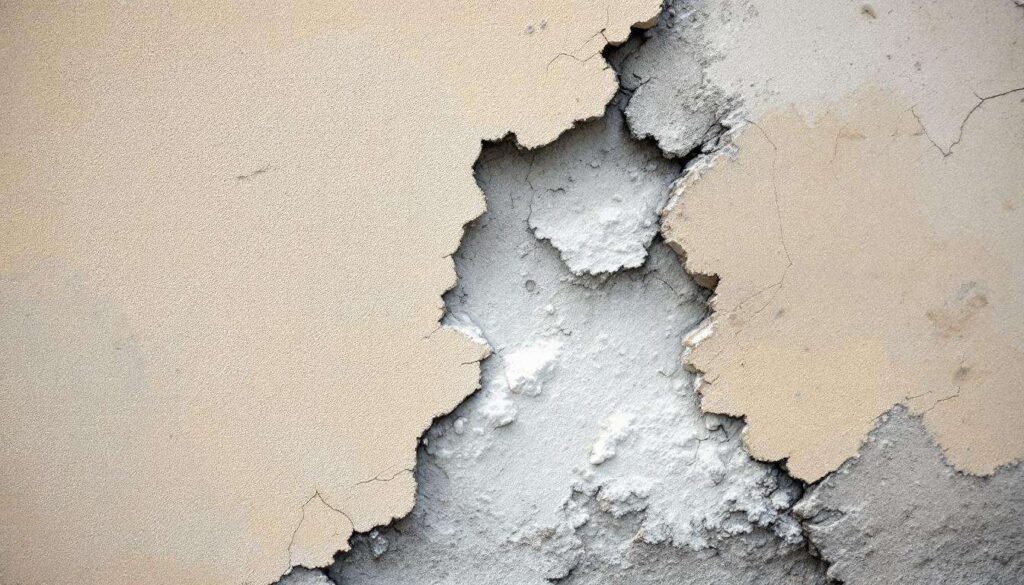
Exterior walls endure constant exposure to weather, temperature fluctuations and moisture, making them vulnerable to damage over time. Cracks appearing in rendered surfaces are not merely cosmetic concerns but indicators of underlying structural issues that demand attention. Property owners frequently discover these fissures spreading across their walls, questioning why supposedly durable render systems fail to withstand the elements. The answer lies in understanding both the limitations of traditional rendering materials and the advances in modern mortar technology that offer superior protection against cracking and deterioration.
Understanding cracks in the exterior wall
Types of cracks and their characteristics
Exterior wall cracks manifest in various forms, each revealing different information about the wall’s condition. Hairline cracks typically measure less than 0.1mm in width and often result from minor settlement or surface shrinkage. Structural cracks, conversely, extend deeper into the wall fabric and may indicate serious foundation problems or excessive movement. Diagonal cracks frequently appear near corners or openings, suggesting differential settlement, whilst horizontal cracks can signal more severe structural concerns requiring immediate investigation.
How cracks develop over time
The progression of wall cracks follows predictable patterns influenced by environmental conditions and material properties. Initial micro-cracks, barely visible to the naked eye, form as render cures and experiences its first seasonal cycle. These small fissures gradually widen as water penetrates, freezes and expands during winter months. The cycle of thermal expansion and contraction exacerbates the problem, with each temperature swing forcing the crack margins apart. Without intervention, minor surface cracks evolve into significant structural defects that compromise the wall’s protective function.
Recognising crack patterns early allows property owners to address problems before they escalate into costly repairs, which naturally leads to examining why traditional render proves inadequate for long-term protection.
Why traditional render deteriorates
Material composition limitations
Traditional cement-based renders contain high proportions of Portland cement mixed with sand and water. This composition creates a rigid, inflexible surface that cannot accommodate the natural movement inherent in building structures. The cement matrix forms strong bonds but lacks the elasticity needed to absorb stress from thermal expansion, settlement or vibration. As buildings shift subtly throughout their lifespan, traditional render resists this movement until internal stresses exceed the material’s tensile strength, resulting in cracking.
Moisture-related problems
Conventional renders exhibit poor breathability, trapping moisture within wall cavities rather than allowing vapour transmission. This characteristic creates several problems:
- Water accumulation behind the render layer causes substrate deterioration
- Freeze-thaw cycles generate expansive forces that detach render from walls
- Moisture promotes biological growth including algae and moss
- Salt crystallisation damages both render and underlying masonry
The impermeability that builders once considered advantageous actually accelerates deterioration by preventing walls from drying naturally, setting the stage for understanding the specific mechanisms behind render failure.
Common causes of render failure
Application errors and poor workmanship
Even quality materials fail when incorrectly applied. Inadequate surface preparation prevents proper adhesion, leaving render vulnerable to delamination. Applying render in unsuitable weather conditions—either too hot, too cold or too wet—compromises curing and final strength. Incorrect mix proportions alter the render’s properties, whilst insufficient thickness or excessive thickness both create problems. Many failures stem from rushing the process, applying subsequent coats before previous layers have adequately cured.
Environmental and structural factors
External forces continuously test render durability. Ground settlement causes walls to move differentially, concentrating stress at weak points. Thermal cycling subjects render to constant expansion and contraction, whilst driving rain saturates surfaces and exploits any weaknesses. Atmospheric pollution introduces corrosive elements that chemically attack render components. Buildings near roads experience vibration stress, and properties with inadequate drainage suffer from rising damp that undermines render adhesion from below.
| Failure Cause | Typical Timeframe | Severity |
|---|---|---|
| Poor adhesion | 1-3 years | Moderate to high |
| Thermal stress | 3-7 years | Moderate |
| Moisture damage | 2-5 years | High |
| Structural movement | Variable | Very high |
Understanding these failure mechanisms highlights the importance of addressing damaged render promptly to prevent escalating problems.
Consequences of damaged render
Structural implications
Compromised render exposes underlying masonry to weathering and moisture penetration. Water infiltration through cracks saturates brickwork, reducing its load-bearing capacity and promoting frost damage. Spalling bricks and eroded mortar joints follow, weakening the wall structure itself. In severe cases, persistent moisture causes steel reinforcement to corrode, expanding and cracking concrete further. The protective barrier that render should provide becomes instead a liability, trapping water against vulnerable substrates.
Financial and aesthetic impact
Deteriorating render diminishes property value and curb appeal. Prospective buyers view cracked facades as indicators of neglect or serious structural problems, affecting marketability. Repair costs escalate dramatically when damage extends beyond the render into underlying masonry or structural elements. Energy efficiency suffers as thermal bridges develop through cracks, increasing heating costs. Insurance premiums may rise if damage suggests inadequate maintenance, whilst some policies exclude claims related to gradual deterioration.
These substantial consequences underscore the necessity of selecting appropriate materials from the outset, particularly mortars engineered to resist cracking.
Choosing the right mortar to prevent cracks
Modern flexible mortar systems
Polymer-modified mortars represent significant advances over traditional formulations. These products incorporate synthetic polymers that enhance flexibility, adhesion and water resistance whilst maintaining breathability. The polymer additives create microscopic bridges across potential crack paths, allowing the mortar to accommodate movement without failing. Unlike rigid cement mortars, flexible systems absorb stress through elastic deformation, preventing crack initiation and propagation.
Key properties to consider
Selecting appropriate mortar requires evaluating several critical characteristics:
- Flexibility rating: ability to accommodate substrate movement without cracking
- Adhesion strength: bond quality with various substrate materials
- Water resistance: protection against moisture penetration whilst allowing vapour transmission
- Workability: ease of application and finishing
- Durability: resistance to weathering, UV exposure and chemical attack
- Compatibility: suitability for specific substrate types and environmental conditions
Matching mortar properties to specific application requirements ensures optimal performance, which modern formulations deliver through innovative engineering.
The benefits of new mortar solutions
Enhanced performance characteristics
Contemporary mortar systems offer superior crack resistance through carefully balanced formulations. Manufacturers engineer these products to remain flexible throughout their service life, accommodating thermal movement and minor structural shifts without damage. Improved adhesion properties ensure secure bonding to diverse substrates including concrete, brick, block and existing render. Enhanced water resistance prevents moisture-related deterioration whilst maintaining breathability that allows trapped moisture to escape, eliminating the problems that plague traditional renders.
Long-term cost effectiveness
Although advanced mortars typically cost more initially, their extended lifespan and reduced maintenance requirements deliver substantial savings. Property owners avoid repeated repair cycles, benefiting from warranties often extending 20-25 years compared to traditional render’s typical 10-year lifespan. Reduced cracking minimises water ingress, protecting underlying structures from expensive damage. Energy efficiency improvements through intact thermal barriers lower heating costs, whilst maintained property aesthetics preserve market value.
| Mortar Type | Expected Lifespan | Maintenance Frequency |
|---|---|---|
| Traditional cement | 10-15 years | Every 3-5 years |
| Polymer-modified | 20-25 years | Every 8-10 years |
| Advanced flexible | 25-30 years | Every 10-15 years |
Exterior wall protection demands materials engineered to withstand decades of environmental stress. Traditional cement renders, despite their historical prevalence, lack the flexibility and moisture management properties necessary for reliable long-term performance. Cracks develop inevitably as rigid materials fail to accommodate natural building movement and thermal cycling. Modern polymer-modified mortars address these limitations through enhanced flexibility, superior adhesion and balanced breathability. Property owners investing in advanced mortar systems benefit from extended service life, reduced maintenance requirements and protection against the costly consequences of render failure. Selecting appropriate materials based on specific environmental conditions and substrate characteristics ensures exterior walls remain protected, attractive and structurally sound for decades to come.