

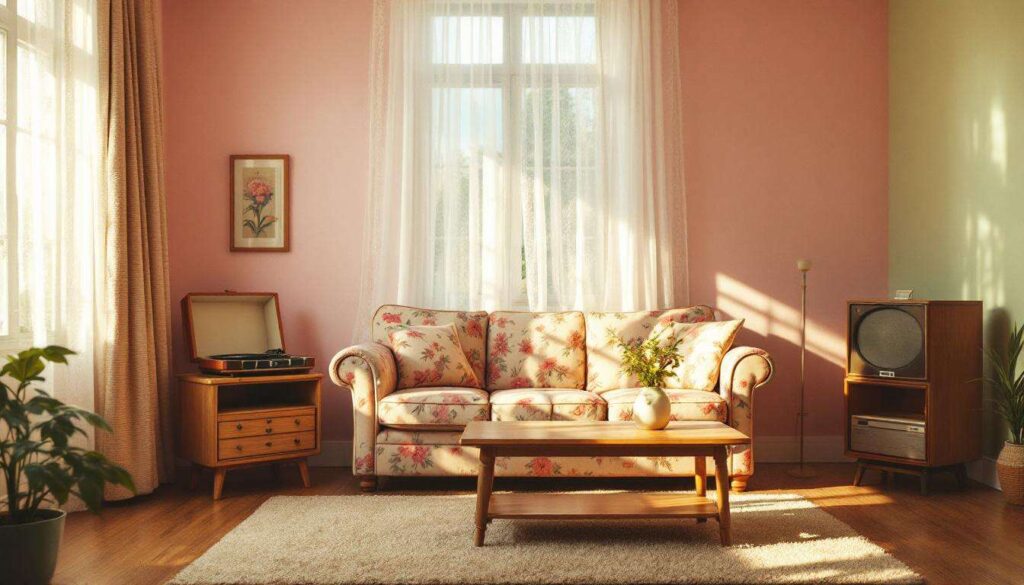
The unmistakable aesthetic of the 1980s has resurfaced with remarkable vigour, transforming contemporary interiors with its bold, unapologetic character. From oversized patterns to vibrant colour palettes, these design elements are capturing the imagination of homeowners and interior designers alike. What was once dismissed as dated now represents a refreshing departure from the minimalist trends that have dominated recent years, offering personality and playfulness in equal measure.
The Return of Floral Wallpapers
Large-Scale Botanical Prints Dominate Walls
Floral wallpapers from the 1980s were characterised by their oversized blooms and dramatic compositions, a stark contrast to the delicate patterns of previous decades. These statement-making designs are now reappearing in dining rooms, bedrooms and even bathrooms, bringing instant character to otherwise neutral spaces.
Contemporary interpretations maintain the essence of their predecessors whilst incorporating modern printing techniques that enhance durability and colour vibrancy. The following features define this resurgence:
- Oversized tropical leaves and palm fronds
- Bold chintz patterns with layered florals
- Metallic accents integrated into botanical designs
- Contrasting background colours that amplify visual impact
Application Strategies for Modern Homes
Rather than covering entire rooms, many homeowners now opt for feature walls that showcase these bold patterns without overwhelming the space. This approach allows the wallpaper to serve as an artistic focal point whilst maintaining balance with contemporary furnishings.
| Room Type | Recommended Pattern Scale | Popular Colour Combinations |
|---|---|---|
| Living Room | Extra large (50cm+ repeat) | Navy and coral, emerald and gold |
| Bedroom | Medium to large (30-50cm repeat) | Blush and grey, teal and cream |
| Powder Room | Small to medium (15-30cm repeat) | Black and white, burgundy and pink |
This renewed appreciation for botanical drama naturally extends to other aspects of 1980s design philosophy, particularly the fearless use of colour.
Bold Colours Make a Comeback
Jewel Tones Reclaim Interior Spaces
The saturated hues that defined 1980s interiors are experiencing a remarkable renaissance, with homeowners embracing jewel tones such as emerald green, sapphire blue and ruby red. These rich colours add depth and sophistication whilst creating spaces that feel both luxurious and welcoming.
Unlike the muted palettes that have dominated recent years, these vibrant shades command attention and express confidence. Interior designers report increased demand for:
- Deep teal accent walls paired with brass fixtures
- Aubergine upholstery on statement furniture pieces
- Burnt orange textiles in cushions and throws
- Cobalt blue cabinetry in kitchens and bathrooms
Colour Blocking Techniques
The 1980s technique of colour blocking has returned with renewed sophistication, allowing homeowners to create dynamic visual interest through strategic colour placement. This approach involves using contrasting or complementary colours in distinct sections rather than blending them gradually.
Modern applications include painting adjacent walls in different bold colours, using coloured tiles to create geometric patterns in bathrooms, and selecting furniture pieces in contrasting vibrant shades. The key lies in maintaining intentionality rather than randomness in colour selection.
These striking colour choices find perfect companions in the geometric patterns and unconventional forms that characterised one of the decade’s most distinctive movements.
The Memphis Style Charms Once Again
Geometric Patterns and Asymmetrical Forms
The Memphis design movement, which emerged in Milan during the early 1980s, has captured contemporary attention with its rebellious approach to form and function. Characterised by clashing patterns, unexpected colour combinations and deliberately asymmetrical shapes, this style challenges conventional design principles.
Original Memphis pieces now command premium prices at auction, but the aesthetic has inspired affordable reproductions and contemporary interpretations. Key elements include:
- Squiggly lines and abstract geometric shapes
- Laminate surfaces with bold graphic patterns
- Tubular metal frames in primary colours
- Terrazzo-inspired surfaces and patterns
Incorporating Memphis Elements Without Overwhelming Spaces
The maximalist nature of Memphis design requires careful curation to avoid visual chaos. Designers recommend introducing these elements gradually, perhaps beginning with a single statement piece such as a side table or mirror frame.
| Memphis Element | Suggested Application | Complementary Styles |
|---|---|---|
| Geometric patterns | Cushions, rugs, artwork | Minimalist, Scandinavian |
| Asymmetrical furniture | Accent chairs, shelving units | Mid-century modern |
| Bold colour blocking | Feature walls, painted furniture | Industrial, contemporary |
Whilst Memphis design celebrates artificiality and synthetic materials, another 1980s trend embraced natural textures and organic forms.
Rattan Furniture, a Timeless Classic
The Versatility of Woven Natural Materials
Rattan furniture experienced tremendous popularity during the 1980s, appearing in everything from peacock chairs to elaborate headboards. This natural material has returned to prominence, valued for its sustainability and ability to soften contemporary interiors.
Modern rattan pieces maintain the craftsmanship of their predecessors whilst incorporating updated silhouettes that suit current aesthetic preferences. The material’s inherent warmth provides textural contrast against sleek surfaces and cool metals.
Contemporary Applications of Rattan
Today’s designers utilise rattan in unexpected ways, moving beyond traditional furniture applications. Popular implementations include:
- Rattan pendant light shades that cast intricate shadows
- Woven room dividers that maintain visual lightness
- Rattan-fronted cabinet doors replacing solid panels
- Headboards with integrated woven panels
- Bar stools and dining chairs with rattan seats
The natural tones of rattan complement both neutral and bold colour schemes, making it remarkably adaptable. When paired with brass accents and jewel-tone cushions, rattan furniture bridges the gap between organic and glamorous aesthetics.
Just as rattan brings natural texture to interiors, lighting fixtures from this era provide sculptural interest and atmospheric illumination.
Retro Lighting Fixtures Impose Their Charm
Statement Chandeliers and Pendant Lights
The 1980s produced some of the most distinctive lighting designs in interior history, from cascading crystal chandeliers to geometric pendant lights. These fixtures were unashamedly decorative, serving as focal points rather than merely functional elements.
Contemporary interest in these designs reflects a broader shift towards statement lighting that contributes personality to a space. Popular styles include:
- Tiered glass chandeliers with chrome or brass fittings
- Sputnik-style fixtures with multiple arms
- Art deco-inspired wall sconces
- Track lighting with adjustable spotlights
- Neon accent lighting in geometric shapes
Layered Lighting Approaches
The 1980s emphasis on dramatic illumination has influenced contemporary lighting design, which now favours layered approaches combining ambient, task and accent lighting. This technique creates depth and allows for mood adjustment throughout the day.
| Lighting Type | 1980s Fixture | Modern Equivalent |
|---|---|---|
| Ambient | Dimmer-controlled ceiling fixtures | Smart bulbs with adjustable warmth |
| Task | Adjustable desk lamps | LED strips under cabinets |
| Accent | Uplighters behind plants | Picture lights, display case lighting |
These lighting choices work harmoniously with the playful accessories that complete the 1980s aesthetic.
Kitsch Accessories Make a Strong Comeback
Embracing Decorative Objects Without Irony
The 1980s celebrated decorative excess, filling homes with ornamental objects that prioritised visual interest over minimalism. This approach has returned as homeowners seek to inject personality and warmth into their spaces.
Contemporary collectors are rediscovering vintage pieces at car boot sales and online marketplaces, whilst retailers produce new items inspired by this aesthetic. Popular accessories include:
- Ceramic figurines and decorative plates
- Lucite and acrylic display items
- Oversized vases in bold colours
- Mirrored trays and decorative boxes
- Abstract sculptures in brass or chrome
Curating Collections Thoughtfully
The key to successfully incorporating kitsch accessories lies in intentional curation rather than random accumulation. Grouping similar items creates visual coherence, whilst varying heights and textures adds interest without clutter.
Display strategies might include dedicating a single shelf to a collection of coloured glass objects, arranging decorative plates in a gallery wall formation, or clustering brass animals on a sideboard. The approach celebrates abundance whilst maintaining organisation.
The resurgence of 1980s home decor represents more than nostalgia; it reflects a desire for spaces that express individuality and reject homogeneity. From floral wallpapers to Memphis design, bold colours to rattan furniture, retro lighting to kitsch accessories, these elements offer homeowners tools to create interiors that feel personal and joyful. The key lies in selective incorporation, blending vintage inspiration with contemporary sensibilities to achieve spaces that honour the past whilst remaining firmly rooted in the present.