



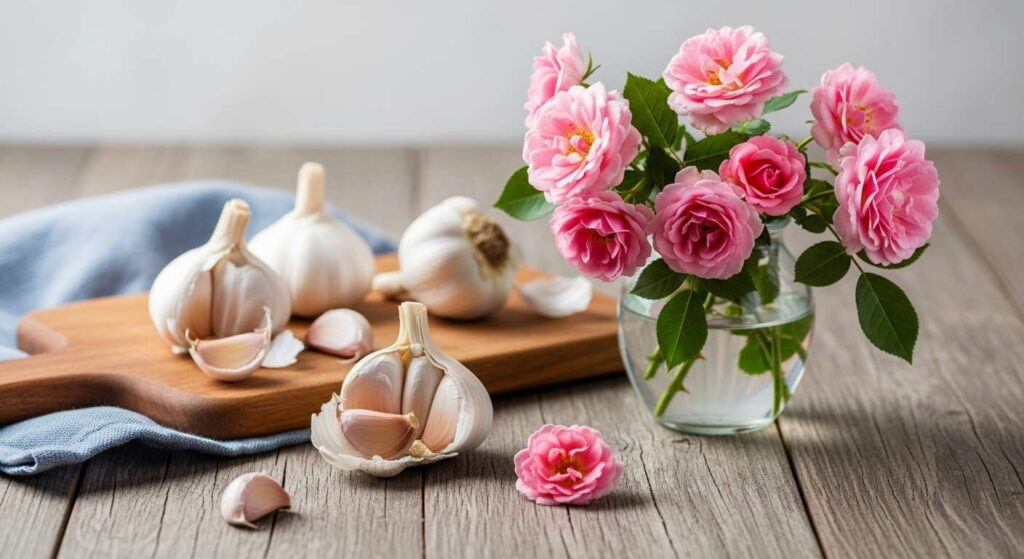
Gardeners constantly seek natural solutions to enhance their plants’ vitality and flowering potential. Among the most accessible remedies lies a common kitchen staple that has proven remarkably effective: garlic. This humble ingredient, long celebrated for its culinary and medicinal properties, offers surprising advantages when incorporated into plant care routines. Beyond its traditional uses, garlic contains compounds that can transform struggling plants into thriving specimens with abundant blooms.
The unsuspected benefits of garlic for plants
Natural compounds that support plant health
Garlic possesses powerful antimicrobial and antifungal properties derived from allicin, a sulphur compound released when garlic cloves are crushed or chopped. This natural defence mechanism helps protect plants from various pathogens that commonly affect roots and foliage. The sulphur content also contributes to improved nutrient absorption, enabling plants to utilise available minerals more efficiently.
The trace minerals found in garlic include:
- Selenium, which strengthens plant cell walls
- Manganese, essential for photosynthesis
- Calcium, promoting robust stem development
- Phosphorus, crucial for flower formation
Pest deterrent properties
Beyond nutritional benefits, garlic acts as a natural pest repellent that discourages aphids, spider mites, and other common garden insects. The pungent aroma interferes with pests’ ability to locate host plants, creating an invisible barrier that protects delicate blooms and foliage. This dual-action approach makes garlic particularly valuable for organic gardening practices.
Understanding these fundamental benefits sets the stage for practical application methods that maximise garlic’s potential in your garden.
How to prepare a natural garlic-based fertiliser
Simple infusion method
Creating an effective garlic fertiliser requires minimal ingredients and equipment. Begin by crushing four to five medium-sized garlic cloves and placing them in a litre of warm water. Allow this mixture to steep overnight, enabling the beneficial compounds to dissolve into the liquid. Strain the solution through a fine mesh or cheesecloth to remove solid particles that might clog spray bottles or watering equipment.
Enhanced formulation with additional ingredients
For gardeners seeking more potent results, consider enriching the basic recipe with complementary elements. Add one tablespoon of liquid soap to help the solution adhere to plant surfaces, improving absorption. Some practitioners incorporate crushed chilli peppers or neem oil for enhanced pest-repelling properties.
| Ingredient | Quantity | Purpose |
|---|---|---|
| Garlic cloves | 4-5 medium | Primary nutrient source |
| Water | 1 litre | Base solution |
| Liquid soap | 1 tablespoon | Adhesion enhancer |
| Steeping time | 12-24 hours | Compound extraction |
Once prepared, this solution remains effective for approximately one week when stored in a cool, dark location. With your fertiliser ready, the next consideration involves proper application techniques.
Application: steps to nourish your plants
Soil drenching technique
Apply the garlic solution directly to the soil surrounding plant bases, ensuring thorough saturation of the root zone. Pour approximately 250 millilitres around each plant, adjusting quantities based on container size or garden bed dimensions. This method delivers nutrients directly to roots whilst simultaneously protecting against soil-borne pathogens.
Foliar spray application
For plants showing signs of stress or pest activity, foliar application provides rapid results. Transfer the strained solution into a spray bottle and mist plant leaves during early morning or late evening hours, avoiding midday application when sunlight might cause leaf burn. Ensure coverage of both upper and lower leaf surfaces where pests typically congregate.
Application frequency guidelines:
- Established plants: once fortnightly during growing season
- Newly transplanted specimens: weekly for first month
- Plants under pest pressure: twice weekly until infestation subsides
- Flowering plants: every ten days throughout blooming period
Consistent application schedules yield the most impressive results, which become evident through observable changes in plant vigour.
The effects of garlic on growth and blooming
Visible improvements in plant vitality
Gardeners typically notice enhanced foliage colour and texture within two to three weeks of initial application. Leaves develop a deeper green hue, indicating improved chlorophyll production and photosynthetic efficiency. Stems become sturdier, supporting heavier flower clusters without requiring additional staking.
Increased flowering performance
The phosphorus and trace minerals in garlic directly influence flower bud formation and development. Plants treated with garlic solutions often produce twenty to thirty percent more blooms compared to untreated specimens. Individual flowers display more vibrant colours and extended longevity, remaining attractive for longer periods.
| Plant Type | Bloom Increase | Flowering Duration |
|---|---|---|
| Roses | 25-30% | Extended 5-7 days |
| Tomatoes | 20-25% | Improved fruit set |
| Petunias | 30-35% | Extended 4-6 days |
| Geraniums | 22-28% | Extended 6-8 days |
Whilst these benefits appear universally positive, responsible use requires awareness of potential limitations and proper handling procedures.
Precautions when using garlic
Concentration considerations
Excessive garlic concentration can damage sensitive plant tissues, particularly young seedlings and tender new growth. Always dilute solutions appropriately and conduct small-scale tests before widespread application. If leaf discolouration or wilting occurs, discontinue use immediately and flush soil with plain water.
Plant-specific sensitivities
Certain plant families exhibit reduced tolerance to garlic applications. Members of the Fabaceae family, including peas and beans, may experience growth inhibition when exposed to concentrated garlic solutions. Similarly, some ornamental species with delicate foliage require diluted formulations.
Plants requiring cautious application:
- Legumes and nitrogen-fixing species
- Ferns and moisture-loving shade plants
- Newly germinated seedlings under three weeks old
- Plants recovering from transplant shock or disease
Understanding these precautions helps gardeners make informed decisions when comparing garlic to alternative natural fertilising options.
Comparison with other natural fertilisers
Garlic versus compost tea
Compost tea provides broader spectrum nutrients and beneficial microorganisms, making it ideal for general soil improvement. However, garlic offers superior pest-deterrent properties and faster visible results. Many gardeners combine both approaches, using compost tea for foundational nutrition whilst employing garlic for targeted bloom enhancement and pest management.
Relative advantages of different natural options
| Fertiliser Type | Primary Benefit | Application Frequency | Cost Efficiency |
|---|---|---|---|
| Garlic solution | Pest control + blooms | Fortnightly | Very high |
| Compost tea | Soil health | Monthly | High |
| Seaweed extract | Growth hormones | Monthly | Moderate |
| Banana peel tea | Potassium boost | Fortnightly | Very high |
Garlic distinguishes itself through exceptional accessibility and multifunctional benefits, requiring no specialised equipment or expensive ingredients whilst delivering measurable improvements in plant performance.
The evidence supporting garlic as a garden enhancement tool proves compelling for both novice and experienced gardeners. This readily available ingredient offers a cost-effective, environmentally friendly approach to improving plant health and maximising flowering potential. By following proper preparation methods, application techniques, and safety precautions, gardeners can harness garlic’s natural properties to create more vibrant, productive gardens. The combination of nutritional support and pest protection makes garlic an invaluable addition to any organic gardening strategy, demonstrating that sometimes the most effective solutions already exist within our kitchen cupboards.