

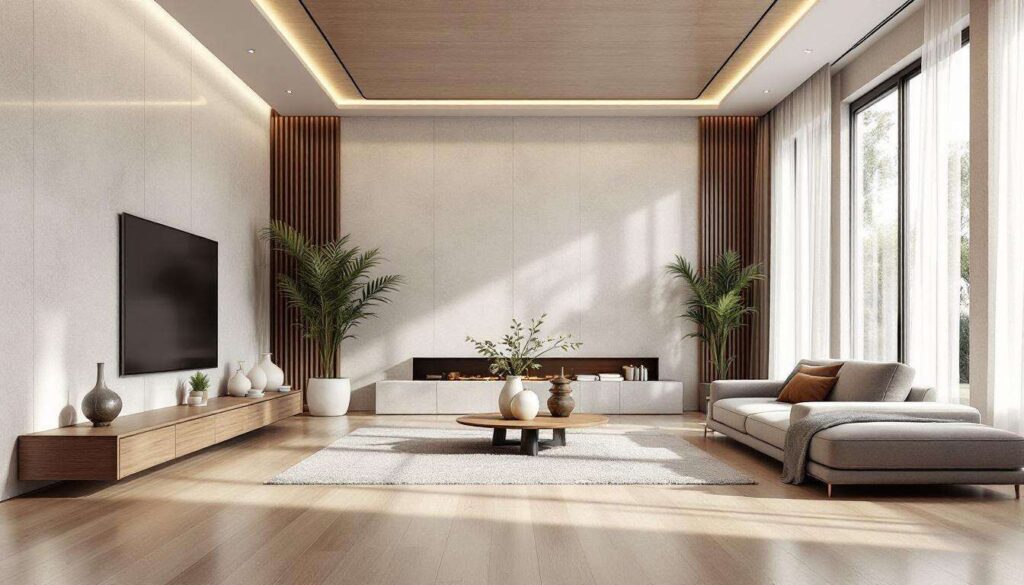
Floors have long been overlooked in interior design conversations, relegated to mere functional surfaces beneath our feet. Yet a revolutionary approach is transforming how homeowners and designers perceive this horizontal plane, treating it as the ‘sixth wall’ of a room. This concept elevates flooring from background element to design centrepiece, with painted floors emerging as an accessible, creative solution for those seeking to refresh their spaces without undertaking extensive renovations. The technique offers remarkable versatility, allowing homeowners to introduce bold patterns, subtle textures, or striking colour statements that fundamentally alter a room’s atmosphere.
Understanding the ‘sixth wall’ trend in 2026
The philosophy behind treating floors as design features
The sixth wall concept challenges traditional interior design hierarchies by recognising that floors occupy significant visual real estate in any room. Unlike vertical walls interrupted by furniture and artwork, floors present continuous surfaces that influence spatial perception and mood. This philosophy encourages homeowners to consider flooring with the same creative attention typically reserved for wall colours, wallpaper selections, and decorative finishes.
Design professionals have embraced this trend as it addresses several contemporary concerns:
- Budget-conscious renovations that deliver maximum visual impact
- Sustainability through repurposing existing floors rather than replacing materials
- Personalisation in an era of mass-produced furnishings
- Flexibility to adapt spaces as tastes evolve
Popular applications and room suitability
Painted floors prove particularly effective in spaces where traditional flooring materials might seem impractical or uninspiring. Rental properties, for instance, benefit enormously from this approach, as painted floors can disguise worn surfaces whilst remaining reversible. Entryways, bathrooms, kitchens, and utility rooms represent ideal candidates, though increasingly homeowners are extending the technique to bedrooms and living areas.
The trend accommodates various aesthetic preferences, from geometric patterns that create visual interest in minimalist spaces to faux finishes mimicking expensive materials like marble or terrazzo. This versatility explains its growing appeal across different property types and design sensibilities.
Having established the conceptual foundation of the sixth wall approach, the practical implementation begins with selecting appropriate colours that harmonise with your broader design vision.
Choosing the right colour palette
Assessing your space and lighting conditions
Colour selection for painted floors requires careful consideration of natural light patterns throughout the day. North-facing rooms with cooler light benefit from warmer floor tones that counterbalance the blue cast, whilst south-facing spaces can accommodate cooler palettes without appearing sterile. The room’s dimensions also influence appropriate choices: lighter colours expand perceived space in compact areas, whereas darker tones add intimacy to larger rooms.
Consider creating sample boards with your shortlisted colours and observing them on the floor at different times of day. This practical step prevents costly mistakes and ensures the final result meets expectations under varying lighting conditions.
Trending colour directions for painted floors
Current colour trends reflect broader movements towards nature-inspired palettes and sophisticated neutrals:
- Earthy terracottas and clay tones: bringing warmth and grounding energy to contemporary interiors
- Sage greens and muted olives: connecting indoor spaces with natural environments
- Charcoal and slate greys: providing elegant backdrops for colourful furnishings
- Warm whites and creams: creating Scandinavian-inspired simplicity
- Deep navy and forest green: adding drama to confident design schemes
Balancing bold statements with longevity
Whilst vibrant colours create immediate impact, consider your commitment to the chosen palette. Neutral base colours with accent patterns offer flexibility, allowing you to update the space through accessories rather than complete repainting. Alternatively, confine bold colour experiments to smaller rooms where change feels less daunting.
With your colour palette determined, attention turns to the crucial preparatory work that determines the longevity and appearance of your painted floor.
Preparing the floor before painting
Surface assessment and repair requirements
Successful floor painting depends fundamentally on thorough surface preparation. Begin by examining the existing floor for damage, identifying loose boards, protruding nail heads, gaps, or uneven areas. Wooden floors require particular attention to ensure boards are securely fastened and any squeaks addressed before painting commences.
Different flooring materials demand specific preparation approaches:
| Floor Type | Key Preparation Steps | Special Considerations |
|---|---|---|
| Wooden floorboards | Sand, fill gaps, secure loose boards | Remove old varnish completely |
| Concrete | Clean, repair cracks, etch surface | Address moisture issues first |
| Vinyl or linoleum | Deep clean, light sanding for adhesion | Ensure material is firmly adhered |
| Tiles | Clean grout, lightly sand glaze | Use specialist primers |
Cleaning and priming protocols
Once repairs are complete, meticulous cleaning becomes paramount. Remove all dust, grease, and residues using appropriate cleaners for your floor type. Wooden floors benefit from sugar soap solutions, whilst concrete requires degreasing agents. Allow surfaces to dry completely before proceeding.
Priming creates the essential bond between floor surface and paint. Select primers formulated specifically for floor applications, as these contain additives that enhance adhesion and durability. Apply primer according to manufacturer specifications, typically requiring 24 hours drying time before painting begins.
With surfaces properly prepared and primed, you can explore the creative techniques that transform functional floors into artistic statements.
Innovative painting techniques
Foundational application methods
Professional-quality results require appropriate tools and systematic application. High-density foam rollers deliver smoother finishes than traditional pile rollers, minimising texture and ensuring even coverage. Apply paint in thin, consistent coats rather than attempting full coverage in a single application, which typically causes drips and uneven drying.
Work in manageable sections, maintaining wet edges to prevent visible joins. For larger rooms, consider dividing the space into zones, completing each fully before progressing. This approach proves particularly valuable when incorporating multiple colours or patterns.
Creating patterns and visual interest
Beyond solid colours, painted floors accommodate numerous decorative techniques:
- Geometric patterns: use painter’s tape to create diamonds, chevrons, or checkerboards
- Stencilled motifs: introduce repeated designs inspired by traditional tiles
- Ombré effects: blend colours gradually for subtle sophistication
- Faux finishes: replicate marble veining or wood grain through specialist techniques
- Border designs: frame rooms with contrasting colours or patterns
Protective topcoat application
The final protective layer determines your floor’s practical durability. Water-based polyurethane offers excellent protection with minimal odour and quick drying times, whilst oil-based alternatives provide superior hardness for high-traffic areas. Apply multiple thin coats rather than single thick applications, allowing proper curing time between layers.
Most painted floors require at least three protective coats, with high-traffic areas benefiting from four or five. This investment in protection pays dividends through extended lifespan and maintained appearance.
Once your painted floor is complete, implementing appropriate maintenance routines ensures it remains beautiful for years to come.
Maintaining your ‘sixth wall’ for optimal durability
Daily and weekly care routines
Painted floors demand gentler treatment than traditional finishes. Sweep or vacuum regularly using soft attachments to prevent abrasive dirt particles from scratching the surface. For mopping, use pH-neutral cleaners specifically formulated for painted surfaces, avoiding harsh chemicals that degrade protective coatings.
Implement protective measures in high-traffic zones:
- Place mats at exterior doorways to capture grit and moisture
- Attach felt pads beneath furniture legs to prevent scratches
- Use area rugs in pathways whilst ensuring they have non-slip backing
- Remove shoes indoors to minimise wear
Addressing wear and planning refreshes
Despite careful maintenance, painted floors will show wear over time, particularly in doorways and frequently travelled paths. Rather than viewing this as failure, consider it natural patina that adds character. When wear becomes excessive, spot-touch-ups prove remarkably effective, blending seamlessly when executed with the original paint.
Plan for complete refinishing every three to five years depending on traffic levels. This interval allows you to refresh colours, experiment with new patterns, or return to neutral palettes as your design preferences evolve.
Beyond maintenance considerations, successfully integrating your painted floor within the broader interior scheme requires thoughtful coordination.
Coordinating your painted floor with interior design
Balancing floor statements with furnishings
A boldly painted floor functions most effectively when other elements provide visual breathing space. If your floor features intricate patterns or saturated colours, opt for simpler wall treatments and understated furniture profiles. Conversely, neutral floor colours accommodate more adventurous choices elsewhere in the room.
Consider the 60-30-10 rule adapted for floors: if your floor represents the dominant colour (60%), select complementary tones for walls (30%) and introduce accent colours through accessories (10%). This proportion creates cohesion without monotony.
Architectural considerations and flow
Painted floors should acknowledge architectural features rather than competing with them. In period properties, respect original details by selecting colours and patterns sympathetic to the building’s era. Contemporary spaces afford greater experimental freedom, though maintaining visual flow between connected rooms prevents jarring transitions.
Where painted floors meet other flooring types, create intentional thresholds using contrasting colours or transition strips that signal the change deliberately rather than awkwardly.
Seasonal and lighting adjustments
Painted floors interact dynamically with changing natural light throughout seasons. Summer’s intense sunshine may emphasise colours differently than winter’s softer illumination. Supplement with appropriate artificial lighting: warm-toned bulbs enhance earthy floor colours, whilst cooler temperatures suit grey and blue palettes.
Layer lighting at multiple heights to prevent your floor from appearing flat. Table lamps, wall sconces, and pendant fixtures create dimensional interest that highlights your floor’s texture and colour variations.
The sixth wall concept represents more than aesthetic novelty; it embodies a fundamental shift towards viewing every surface as an opportunity for creative expression. Painted floors deliver remarkable transformative power through accessible techniques and modest investment, offering homeowners unprecedented control over their environments. From initial colour selection through meticulous preparation, creative application, and ongoing maintenance, each stage contributes to a distinctive feature that grounds your interior design scheme. By coordinating your painted floor thoughtfully with furnishings, architectural elements, and lighting, you create cohesive spaces that reflect personal style whilst embracing contemporary design thinking. This approach proves that innovation need not require extensive renovations, demonstrating instead how reimagining familiar elements can yield extraordinary results.