



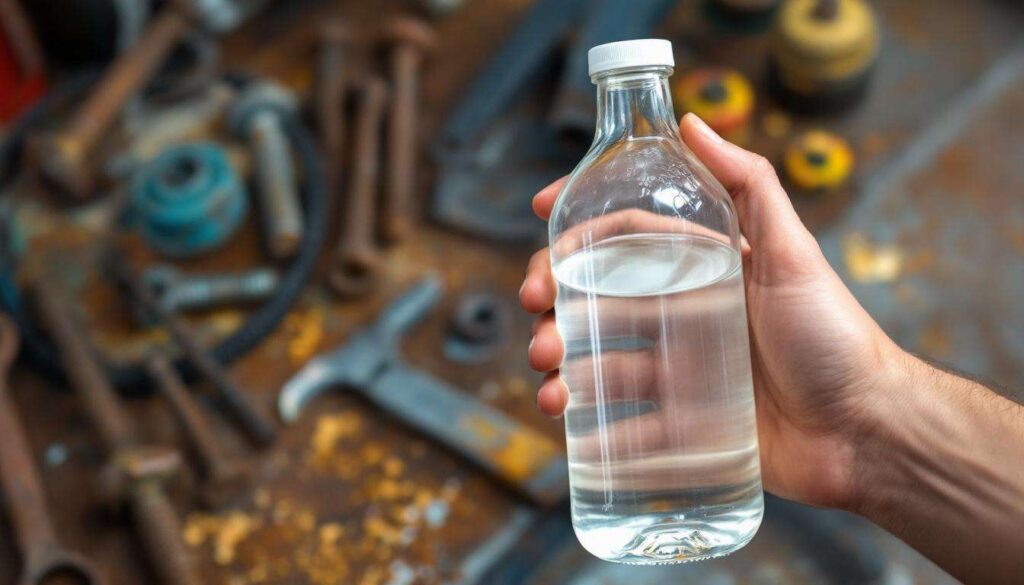
Tackling a home improvement project or performing routine maintenance on machinery often leads to the same frustrating encounter: bolts that refuse to budge due to rust and corrosion. These stubborn fasteners can turn a simple task into an exhausting ordeal, testing patience and threatening to damage surrounding components. However, an inexpensive solution might already be sitting in your kitchen cupboard, ready to transform this common problem into a manageable task.
The nightmare of rusty bolts
Understanding the frustration
Anyone who has worked with older equipment, vehicles, or outdoor fixtures knows the intense frustration that accompanies rusty bolts. What should be a straightforward removal becomes a battle against time and oxidation. The bolt head rounds off under pressure, threads seize completely, and the risk of snapping the fastener increases with every failed attempt. This scenario is particularly common in environments exposed to moisture and salt, where corrosion accelerates rapidly.
The consequences of forcing rusty fasteners
Attempting to force a rusty bolt without proper treatment can lead to several problems:
- Stripped bolt heads that become impossible to grip
- Broken fasteners requiring drilling and extraction
- Damaged threads in the receiving material
- Injury from slipping tools or sudden breakage
- Extended project timelines and increased costs
Professional mechanics and tradespeople understand that patience and the right approach are essential when dealing with corroded hardware. Rather than resorting immediately to expensive penetrating oils or aggressive methods, a gentler solution often proves more effective. This brings us to an unlikely hero in the fight against rust.
Why kitchen vinegar ?
Accessibility and affordability
Kitchen vinegar, typically white distilled vinegar, offers remarkable advantages over commercial rust removers. Found in virtually every household, this common cooking ingredient costs a fraction of specialised products whilst delivering comparable results. A standard bottle purchased for under two pounds can treat numerous rusty bolts, making it an economical choice for both occasional DIY enthusiasts and regular workshop users.
Safety considerations
Unlike harsh chemical rust removers that emit dangerous fumes and require extensive safety equipment, vinegar presents minimal health risks. It produces no toxic vapours, won’t burn skin on brief contact, and poses no environmental hazards when disposed of properly. This makes it particularly suitable for home applications where ventilation might be limited and where families with children or pets need safer alternatives to aggressive chemicals.
| Feature | Kitchen Vinegar | Commercial Penetrant |
|---|---|---|
| Cost per litre | £0.50-£1.50 | £8.00-£15.00 |
| Toxicity | Low | Moderate to High |
| Availability | Universal | Hardware stores |
| Environmental impact | Minimal | Moderate |
The combination of effectiveness, safety, and cost makes vinegar an attractive first option before escalating to more aggressive solutions. Understanding how this humble liquid achieves such impressive results requires examining its chemical properties.
The magical properties of vinegar
Acetic acid and rust dissolution
The active ingredient in vinegar is acetic acid, typically comprising 4-8% of the solution. This weak acid reacts with iron oxide (rust) through a chemical process that gradually dissolves the corrosion. Unlike abrasive methods that risk damaging the underlying metal, the acid works selectively on the rust itself, penetrating into crevices and threads where mechanical cleaning cannot reach. The reaction converts the rust into water-soluble compounds that can be wiped away easily.
Penetrating capability
Vinegar’s low viscosity allows it to seep into microscopic gaps between the bolt threads and the surrounding material. This penetration is crucial because rust often forms deep within the thread engagement, creating the mechanical lock that prevents removal. As the vinegar works its way into these spaces, it begins breaking down the corrosion from the inside out, gradually loosening the bond that holds the fastener captive.
Time-release effectiveness
The beauty of vinegar lies in its sustained action. Unlike impact-based methods that provide momentary force, the chemical reaction continues as long as the vinegar remains in contact with the rust. This makes it particularly effective for severely corroded bolts where immediate solutions fail. The longer the exposure time, the more thorough the rust dissolution becomes, though practical considerations usually limit treatment to several hours or overnight soaking.
With this understanding of vinegar’s rust-fighting properties, implementing an effective treatment becomes straightforward.
Simple method to remove rust
Preparation steps
Begin by cleaning away any loose dirt, grease, or debris around the rusty bolt. This ensures the vinegar can make direct contact with the corroded areas. For bolts that can be removed from their assembly, complete immersion in a container of vinegar provides the most thorough treatment. However, many situations involve fixed bolts that cannot be submerged, requiring alternative application methods.
Application techniques
For bolts that must remain in place, several application methods prove effective:
- Soak a cloth or paper towel in vinegar and wrap it around the bolt, securing with tape or wire
- Pour vinegar into a small plastic bag, position it over the bolt, and secure tightly to create a vinegar bath
- Use a pipette or syringe to apply vinegar repeatedly, allowing gravity to draw it into the threads
- For horizontal bolts, create a small dam using putty or clay to hold a pool of vinegar around the fastener
Timing and removal
Allow the vinegar to work for at least two to four hours for light rust, or overnight for severe corrosion. Check periodically and reapply if the vinegar evaporates. After the treatment period, use a wire brush to remove loosened rust and attempt removal with the appropriate tool. If resistance persists, repeat the process. The combination of dissolved rust and the lubricating properties of the remaining vinegar typically allows the bolt to turn freely.
Whilst vinegar proves remarkably effective, following certain guidelines ensures optimal results and prevents potential complications.
Precautions and tips to follow
Material compatibility
Vinegar works safely on most ferrous metals but can damage certain materials. Avoid prolonged contact with aluminium, zinc-plated surfaces, and some painted finishes. Test on an inconspicuous area first if uncertainty exists about material compatibility. For brass or copper fittings, limit exposure time as the acid can cause discolouration, though it rarely damages the structural integrity.
Maximising effectiveness
Several techniques enhance vinegar’s rust-removing capabilities:
- Warm the vinegar slightly before application, as heat accelerates the chemical reaction
- Add a tablespoon of salt per cup of vinegar to increase acidity and improve penetration
- Combine with gentle tapping using a hammer to help break the rust bond mechanically
- Apply multiple treatments rather than one extended session for extremely stubborn bolts
Post-treatment care
After successfully removing the bolt, thoroughly clean all vinegar residue from threads and surfaces using water, then dry completely. Apply a light coating of oil to prevent flash rusting, which can occur rapidly on freshly exposed metal. This step is particularly important in humid environments where new corrosion forms within hours of cleaning.
Despite vinegar’s effectiveness, certain situations may benefit from exploring other readily available options.
Alternatives to vinegar for loosening
Cola-based beverages
Carbonated cola drinks contain phosphoric acid, which also reacts with rust. Whilst less concentrated than vinegar, cola can work on light corrosion and offers the advantage of being even more universally available. The sugar content creates a sticky residue that helps the liquid cling to vertical surfaces, though this same property requires more thorough cleaning afterwards.
Lemon juice and citric acid
Citric acid provides another natural alternative with rust-dissolving properties. Fresh lemon juice or powdered citric acid mixed with water creates an effective treatment that smells more pleasant than vinegar. The acid concentration in pure citric acid solutions can exceed that of vinegar, potentially offering faster results on stubborn corrosion.
Heat application
Carefully applied heat causes metal expansion that can break rust bonds. A heat gun or propane torch can warm the bolt, though this method requires caution to avoid damaging surrounding components or creating fire hazards. Heat works particularly well when combined with penetrating liquids, as thermal expansion creates additional pathways for the liquid to penetrate.
| Method | Effectiveness | Cost | Safety |
|---|---|---|---|
| White vinegar | High | Very low | Excellent |
| Cola drinks | Moderate | Low | Excellent |
| Citric acid | High | Low | Excellent |
| Heat application | Variable | Low | Moderate |
Rusty bolts need not spell disaster for your project or repair work. Kitchen vinegar stands as a testament to the effectiveness of simple, accessible solutions for common problems. By understanding the chemical processes at work and applying proper techniques, even severely corroded fasteners can be freed without resorting to expensive products or destructive methods. Keep a bottle in your workshop alongside your tools, and approach rusty bolts with confidence rather than dread. The combination of patience, proper application, and this humble kitchen staple transforms a notorious challenge into a routine task, saving time, money, and considerable frustration in the process.