



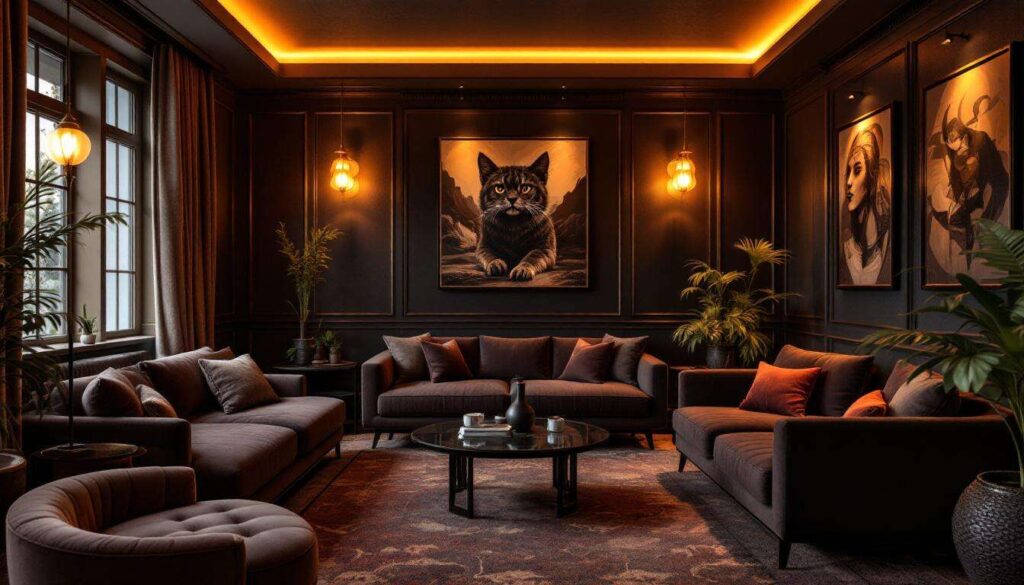
The concept of intentionally transforming your main living space as evening approaches might seem unusual at first, yet this simple design philosophy has revolutionised how countless households experience their downtime. When my interior designer first suggested creating an “evening living room”, I was sceptical about whether such a subtle shift could genuinely impact my daily routine. However, after implementing her recommendations, I discovered that this approach offered far more than aesthetic appeal—it fundamentally altered how I unwind, relax, and prepare for restful sleep.
Introduction to the notion of “evening living room”
What defines an evening living room
An evening living room represents a deliberately curated space that transitions from daytime functionality to night-time sanctuary. Unlike traditional living rooms that maintain consistent lighting, furniture arrangements, and atmospheres throughout the day, this concept embraces the natural rhythm of circadian cycles and human psychology. The transformation doesn’t require purchasing entirely new furniture or undertaking major renovations—rather, it involves strategic adjustments that signal to your mind and body that the active portion of the day has concluded.
The philosophy behind intentional evening spaces
This design approach draws inspiration from several sources:
- Scandinavian hygge principles that emphasise cosiness and contentment during darker hours
- Japanese ma concepts focusing on purposeful space and temporal awareness
- Chronobiology research demonstrating how environmental cues influence sleep-wake cycles
- Biophilic design elements that reconnect inhabitants with natural day-night patterns
The underlying premise suggests that modern living spaces often ignore the distinction between day and night, maintaining harsh overhead lighting and stimulating environments regardless of the hour. An evening living room deliberately counters this tendency, creating a sensory transition that prepares occupants for rest.
Understanding this foundational concept naturally leads to exploring the practical motivations behind implementing such a transformation.
Why transform your living room into an “evening living room” ?
Addressing modern lifestyle challenges
Contemporary life presents numerous obstacles to quality relaxation. The boundaries between work and leisure have blurred considerably, with many individuals checking emails, attending virtual meetings, or completing tasks in their living spaces well into the evening. This constant state of productivity prevents genuine mental disengagement, making it difficult to shift from active to restorative modes.
An evening living room establishes clear environmental boundaries that support psychological transitions. When the space physically changes, your brain receives unmistakable signals that work time has ended and personal time has begun.
The impact of lighting on evening routines
Perhaps the most compelling reason for creating an evening living room involves lighting considerations. Standard living room illumination typically includes:
- Overhead ceiling fixtures emitting bright, cool-toned light
- Task lighting designed for reading or detailed work
- Natural daylight streaming through windows during earlier hours
- Screen glare from televisions, computers, and mobile devices
Research consistently demonstrates that exposure to bright, blue-spectrum light during evening hours suppresses melatonin production, disrupting natural sleep preparation. An evening living room addresses this by incorporating warm-toned, dimmable lighting that mimics the sunset’s natural progression.
Creating psychological separation
Beyond physiological benefits, the evening living room provides crucial psychological demarcation. When your environment remains static throughout the day, your mind struggles to distinguish between active and passive periods. This lack of differentiation contributes to stress, anxiety, and difficulty “switching off” mentally.
These compelling reasons naturally connect to the tangible benefits that emerge once you implement this approach.
The benefits of an “evening living room” on your nightly well-being
Improved sleep quality and onset
The most immediately noticeable advantage involves sleep improvements. By reducing light exposure and creating calming environments during the two to three hours before bedtime, you support your body’s natural melatonin production. Users consistently report falling asleep more quickly and experiencing fewer night-time awakenings.
| Sleep metric | Before evening living room | After implementation |
|---|---|---|
| Average time to fall asleep | 35-45 minutes | 15-20 minutes |
| Night-time awakenings | 3-4 per night | 1-2 per night |
| Reported sleep quality | 5.2/10 | 7.8/10 |
Enhanced relaxation and stress reduction
An evening living room facilitates genuine relaxation by removing stimulating elements and introducing calming features. The intentional shift from bright, cool lighting to warm, dim illumination triggers physiological responses including:
- Reduced cortisol levels
- Lowered heart rate and blood pressure
- Decreased muscle tension
- Improved parasympathetic nervous system activation
These changes don’t require conscious effort—they occur naturally when your environment supports relaxation rather than alertness.
Strengthened family connections
Perhaps unexpectedly, many families discover that their evening living room encourages more meaningful interactions. When screens dim and the atmosphere becomes cosier, conversation flows more naturally. Children often become calmer, and adults find themselves more present rather than distracted by devices or work concerns.
With these substantial benefits established, the practical question becomes how to actually create such a space.
How to design an “evening living room” according to your style
Lighting strategies for evening transformation
The foundation of any evening living room involves strategic lighting choices. Rather than relying solely on overhead fixtures, layer multiple light sources:
- Table lamps with warm-toned bulbs (2700K or lower) positioned at eye level when seated
- Floor lamps with dimmers allowing precise control over brightness
- LED strip lighting behind furniture or under shelving for ambient glow
- Candles or flameless alternatives providing flickering, low-level illumination
The key involves creating pools of soft light rather than uniform brightness across the entire space.
Textile and texture considerations
An evening living room benefits enormously from tactile elements that invite relaxation. Consider incorporating:
- Thick, soft throws in natural fibres like wool or cotton
- Cushions with varied textures creating visual and physical interest
- Area rugs that define the evening zone and add warmth underfoot
- Heavy curtains or blinds that block external light pollution
These elements needn’t clash with your existing aesthetic—whether your style leans towards minimalist, traditional, or eclectic, appropriate textiles exist to enhance your evening atmosphere.
Colour palette adjustments
Whilst you needn’t repaint your entire living room, introducing evening-appropriate colours through accessories makes a significant difference. Warm neutrals, deep blues, forest greens, and burgundy tones create psychological associations with rest and comfort. These can appear in:
| Element | Daytime option | Evening option |
|---|---|---|
| Cushion covers | Bright whites, yellows | Deep navy, charcoal |
| Throws | Light linen | Chunky knit wool |
| Artwork | Abstract, energetic | Landscapes, calming scenes |
Furniture arrangement for evening use
Consider whether your current furniture layout serves evening relaxation. Small adjustments can dramatically improve the space:
- Angling seating towards each other rather than exclusively towards screens
- Creating intimate conversation zones within larger rooms
- Positioning reading chairs near lamps with adequate task lighting
- Establishing clear pathways that feel safe in dimmer lighting
Understanding these design principles helps avoid common pitfalls that undermine the evening living room concept.
Mistakes to avoid when creating an “evening living room”
Over-reliance on technology
The most frequent error involves maintaining the same screen-centric focus despite other environmental changes. Whilst you needn’t eliminate televisions entirely, consider implementing boundaries such as dimming screen brightness, using blue-light filtering modes, or designating certain evenings as screen-free.
Insufficient lighting control
Some enthusiasts make their evening living rooms too dark, creating spaces that feel gloomy rather than cosy. The goal involves warm, dim lighting—not complete darkness. You should still be able to move safely, read comfortably, and see faces clearly during conversation.
Neglecting individual preferences
Remember that household members may have different evening needs. One person might crave complete silence and minimal stimulation, whilst another prefers gentle background music or audiobooks. The most successful evening living rooms accommodate these variations through:
- Multiple seating zones with different lighting levels
- Headphones for individual audio preferences
- Flexible arrangements that adapt to different activities
- Clear communication about evening routines and expectations
Inconsistent implementation
An evening living room requires consistent practice to deliver benefits. Sporadically dimming lights whilst maintaining other stimulating habits won’t produce the desired effects. Commit to the full transformation for at least three weeks before evaluating its impact.
These practical considerations become more tangible when examining real experiences from those who’ve embraced this concept.
Testimonials: how the “evening living room” changed our nights
Sarah’s experience with chronic insomnia
Sarah, a marketing executive from Manchester, struggled with sleep onset for years. After implementing an evening living room routine, she reports: “Within a fortnight, I noticed I was naturally feeling drowsy around 22:00 rather than lying awake until past midnight. The combination of dim lighting and removing work materials from the space made an enormous difference. My sleep tracker shows I’m now averaging seven hours per night compared to five previously.”
The Martinez family’s reconnection
The Martinez family from Bristol discovered unexpected benefits beyond sleep improvement. “Our teenage children actually started joining us in the living room during evenings rather than isolating in their bedrooms,” explains Maria Martinez. “The softer lighting and cosy atmosphere seemed to invite conversation. We’ve had more meaningful family discussions in the past three months than in the previous year.”
James’s work-life balance transformation
James, a solicitor working primarily from home, found that his evening living room created crucial boundaries: “I was constantly checking emails and feeling unable to properly disconnect. When I started physically transforming the living room each evening—dimming lights, putting away my laptop, lighting candles—it became a ritual that signalled work had ended. My stress levels have noticeably decreased, and my partner says I’m far more present during our time together.”
The evening living room concept represents more than a passing interior design trend—it addresses fundamental human needs for rest, connection, and environmental harmony with our natural rhythms. By intentionally transforming your living space as daylight fades, you create powerful cues that support both physiological and psychological transitions from activity to rest. Whether your primary motivation involves improving sleep quality, reducing stress, strengthening family bonds, or simply creating a more pleasurable evening experience, this approach offers accessible, adaptable solutions. The testimonials demonstrate that relatively simple environmental modifications can produce profound changes in how we experience our nights and, ultimately, our overall well-being. Consider beginning with small adjustments—perhaps just changing your lighting approach for one week—and observe how these shifts influence your evening experience.