


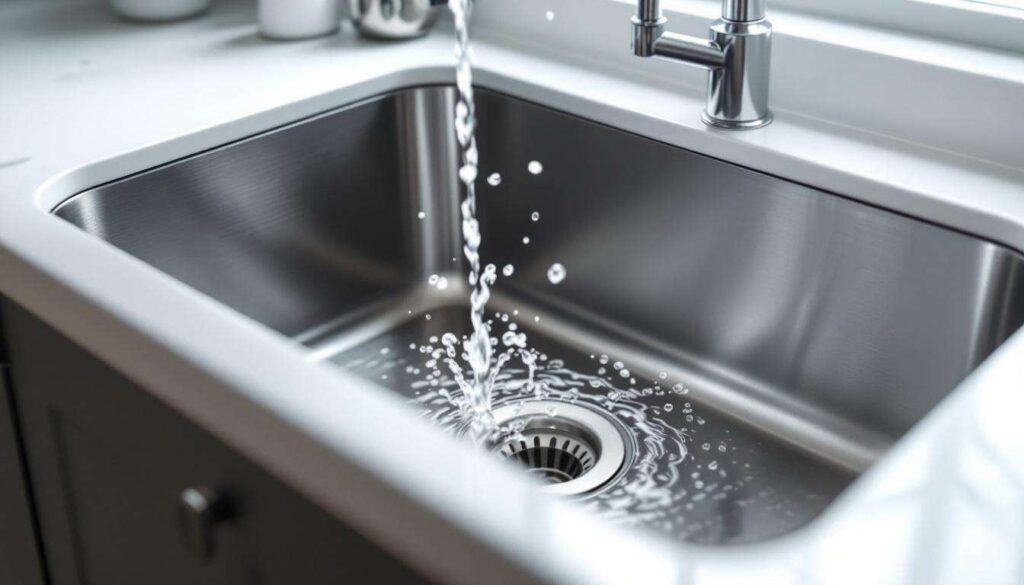
A blocked sink can quickly disrupt daily routines, transforming simple tasks like washing dishes or brushing teeth into frustrating ordeals. While most homeowners instinctively reach for baking soda or a plunger when faced with standing water, professional plumbers often employ alternative techniques that prove remarkably effective. These methods require minimal equipment and can resolve common blockages in remarkably short timeframes, often under sixty seconds. Understanding these professional approaches provides households with practical solutions that bypass conventional remedies, offering immediate relief when drainage problems arise unexpectedly.
Understanding the cause of the blockage
Before attempting any unclogging method, identifying the nature of the obstruction significantly improves success rates. Kitchen sinks typically suffer from grease accumulation, food particles, and soap residue, whilst bathroom basins commonly experience blockages from hair, toothpaste, and cosmetic products. These materials combine with mineral deposits from hard water, creating stubborn barriers within pipework.
Common culprits in different sink types
The location of your sink determines the likely composition of blockages. Kitchen drainage systems face particular challenges from:
- Cooking oils and fats that solidify within pipes
- Coffee grounds and tea leaves that accumulate gradually
- Vegetable peelings and starchy pasta remnants
- Detergent build-up combining with organic matter
Bathroom sinks encounter different obstacles, predominantly hair strands that intertwine with soap scum, creating dense masses that trap additional debris. Understanding these distinctions helps predict which professional technique will prove most effective.
Recognising warning signs
Blockages rarely develop instantaneously. Slow drainage, gurgling sounds, and unpleasant odours typically precede complete obstructions. Water pooling around the plughole indicates partial blockage, whilst complete stagnation suggests a more severe restriction. Recognising these early indicators allows intervention before problems escalate, making resolution considerably simpler.
With a clear understanding of what causes these frustrating blockages, attention naturally turns to gathering the simple tools required for the plumber’s rapid solution.
Preparing the necessary equipment
Professional plumbers achieve remarkable results with surprisingly minimal equipment. The technique described here requires items readily available in most households, eliminating the need for specialist tools or chemical products.
Essential items for the quick method
Gather these components before beginning:
- A standard wire coat hanger
- Pliers or wire cutters
- A bucket or bowl
- Rubber gloves
- Old towels or cloths
- Hot water from the kettle
The wire coat hanger serves as the primary tool, transformed into an effective drain snake through simple manipulation. Pliers help reshape the wire, whilst the bucket catches any water displaced during the process. Protective gloves maintain hygiene when handling potentially unpleasant debris.
Workspace preparation
Clear the area beneath the sink, removing cleaning products and stored items. Position towels around the base of the sink to absorb splashes. Ensure adequate lighting allows clear visibility of the drain opening. Proper preparation prevents unnecessary mess and allows focused attention on the unclogging process itself.
With equipment assembled and workspace prepared, the stage is set to implement the professional technique that delivers such impressive results.
Plumber’s tricks for quick unclogging
The professional method centres on creating an improvised drain snake from the wire coat hanger, a tool that physically removes blockages rather than attempting to dissolve them chemically.
Fashioning the wire tool
Straighten the coat hanger completely, leaving only a small hook at one end approximately half an inch long. This hook should be small enough to navigate the drain opening yet substantial enough to snag trapped debris. Use pliers to create a slight bend approximately six inches from the hooked end, facilitating easier manoeuvring within curved pipework.
The insertion technique
Remove the sink stopper or drain cover completely. Insert the hooked end of the wire slowly into the drain opening, pushing gently whilst rotating the wire. When resistance is encountered, avoid forcing the wire; instead, rotate it clockwise and anticlockwise to work around bends in the pipe. The goal is to reach the blockage, typically located between twelve and eighteen inches below the drain opening.
Extracting the obstruction
Once the wire reaches the blockage, push slightly beyond it, then slowly withdraw whilst maintaining rotational movement. The hook catches accumulated debris, pulling it upwards. Multiple insertions may prove necessary, each removing additional material. After several passes, pour hot water down the drain to flush remaining particles and test whether normal flow has resumed.
| Step | Action | Duration |
|---|---|---|
| 1 | Insert wire tool | 10-15 seconds |
| 2 | Locate blockage | 15-20 seconds |
| 3 | Extract debris | 20-30 seconds |
| 4 | Flush with hot water | 10-15 seconds |
This straightforward process typically resolves common blockages within sixty seconds, though stubborn obstructions may require slightly longer. The physical removal approach proves particularly effective for hair and solid debris that chemical solutions struggle to address.
Whilst this method proves highly effective, implementing certain precautions ensures the process remains safe and avoids potential complications.
Safety tips before intervention
Protecting yourself and your plumbing system requires attention to several important considerations before attempting any unclogging procedure.
Personal protective measures
Always wear rubber gloves when working with drains, as bacteria and unpleasant substances accumulate within pipework. Consider wearing safety glasses if working beneath the sink, particularly when disconnecting pipes, as trapped water may splash unexpectedly. Ensure adequate ventilation in the working area, especially in smaller bathrooms where air circulation may be limited.
Plumbing system considerations
Older pipes, particularly those constructed from lead or corroded metal, require gentle handling. Excessive force can damage weakened pipework, creating leaks that necessitate costly repairs. If the wire tool encounters solid resistance that doesn’t yield to gentle pressure, cease attempts and consider alternative approaches. Modern plastic pipes prove more resilient but can still crack under excessive stress.
Chemical product warnings
If chemical drain cleaners have been used recently, exercise extreme caution. These products remain active within pipes and can cause chemical burns if they contact skin. Never mix different chemical products, as dangerous reactions may occur. When using the wire method after chemical treatments, ensure thorough ventilation and consider waiting several hours before physical intervention.
Beyond addressing immediate blockages, implementing regular maintenance practices significantly reduces the likelihood of future drainage problems.
Regular sink maintenance
Preventative measures prove far more convenient than repeatedly addressing blockages. Establishing simple maintenance routines keeps drainage systems functioning optimally.
Weekly prevention practices
- Pour hot water down drains weekly to dissolve minor grease accumulations
- Use sink strainers to catch food particles and hair before they enter pipes
- Flush drains with hot water immediately after washing greasy dishes
- Remove and clean pop-up stoppers monthly to prevent debris accumulation
Monthly deep cleaning
Once monthly, remove the drain cover and use a torch to inspect visible portions of the pipe. Remove any accessible debris manually. Pour a kettle of boiling water followed by cold water to flush the system thoroughly. This simple routine addresses minor accumulations before they develop into problematic blockages.
What to avoid
Certain practices significantly increase blockage risks. Never pour cooking oils or fats down kitchen sinks, as these solidify within pipes. Avoid disposing of coffee grounds, eggshells, or fibrous vegetables through drains. In bathrooms, use drain covers to catch hair, and regularly remove accumulated strands before they enter the plumbing system.
Despite best efforts at prevention and DIY resolution, certain situations demand professional expertise rather than continued amateur attempts.
When to call a professional
Recognising the limitations of DIY methods prevents minor issues escalating into significant plumbing emergencies. Several indicators suggest professional intervention has become necessary.
Signs requiring expert attention
If multiple drains throughout the property drain slowly simultaneously, the blockage likely exists in the main drainage line rather than individual fixtures. This situation requires professional equipment and expertise beyond household capabilities. Persistent foul odours despite cleaning attempts may indicate deeper system problems or ventilation issues requiring specialist diagnosis.
Recurring blockage patterns
When the same sink blocks repeatedly despite regular maintenance and successful temporary clearing, underlying structural issues may exist. Tree roots infiltrating pipes, collapsed sections, or improper installation angles all cause recurring problems that DIY methods cannot permanently resolve. Professional plumbers possess camera equipment to inspect pipes internally, identifying problems invisible from drain openings.
Emergency situations
Water backing up into other fixtures, sewage odours, or visible leaks around pipe connections constitute plumbing emergencies. These scenarios risk property damage and health hazards, demanding immediate professional response rather than attempted DIY solutions.
The wire coat hanger method provides households with an effective, chemical-free solution for common sink blockages, typically resolving issues within a minute when properly executed. Understanding blockage causes, preparing appropriate equipment, and following safety protocols ensures successful outcomes whilst protecting plumbing systems. Regular maintenance significantly reduces blockage frequency, though recognising situations requiring professional expertise prevents minor inconveniences developing into costly emergencies. This practical knowledge empowers homeowners to address everyday plumbing challenges confidently whilst maintaining realistic expectations about when specialist intervention becomes necessary.