



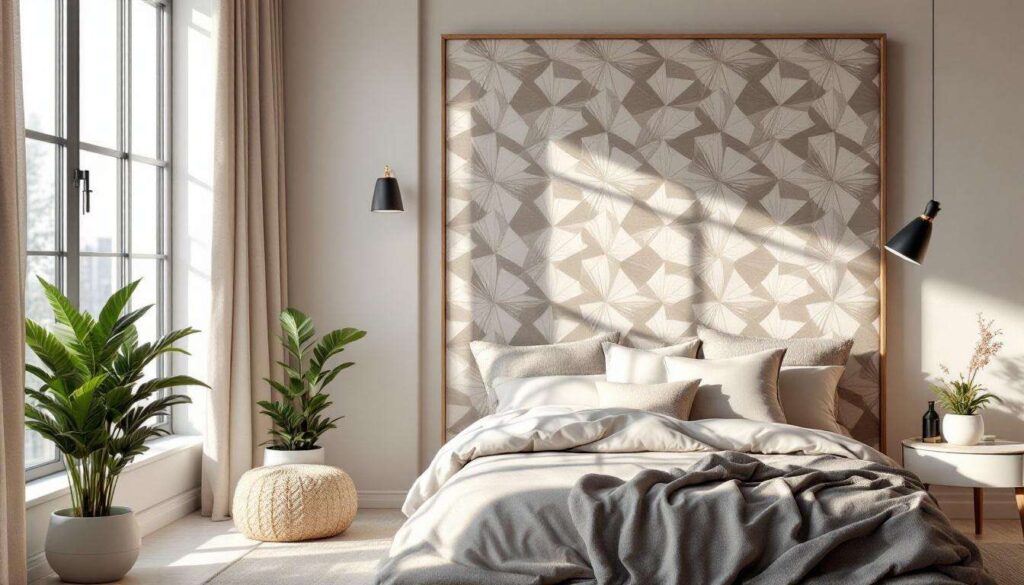
Bedrooms are experiencing a bold transformation as pattern headboards reclaim their place in contemporary interiors. Once dismissed as relics of bygone decades, these statement pieces are now celebrated for their ability to inject personality and visual interest into sleeping spaces. The resurgence reflects a broader shift towards maximalism and self-expression in home design, where homeowners seek to create rooms that tell a story rather than follow minimalist conventions. However, embracing this trend requires careful consideration to avoid recreating the dated looks of the past whilst capitalising on the undeniable charm that patterns can bring to a bedroom.
What is a pattern headboard ?
Defining the pattern headboard
A pattern headboard is a bed frame component featuring decorative motifs, prints, or designs rather than solid colours or plain textures. These patterns can range from geometric shapes and floral prints to abstract art and traditional damask designs. The pattern may be applied through various methods including upholstery fabric, painted finishes, wallpaper application, or carved wood detailing. Unlike their plain counterparts, pattern headboards serve as focal points that immediately draw the eye and establish the aesthetic direction of the entire bedroom.
Historical context and modern evolution
Pattern headboards enjoyed particular popularity during the 1960s and 1970s, when bold prints dominated interior design. They subsequently fell from favour as minimalism gained traction in the 1990s and early 2000s. Today’s versions differ significantly from their predecessors, incorporating contemporary colour palettes and refined pattern scales that align with current design sensibilities. Modern manufacturers offer options that balance nostalgic appeal with fresh interpretations, making them suitable for a variety of decorating styles.
Understanding these foundational elements helps clarify why pattern headboards have regained popularity and how they function within bedroom spaces. This knowledge becomes particularly valuable when considering the tangible advantages they offer.
The aesthetic benefits of pattern headboards
Creating visual interest and focal points
Pattern headboards excel at transforming bland bedrooms into dynamic spaces. They provide an instant focal point that anchors the room’s design scheme without requiring extensive renovation. The patterns create depth and dimension that flat surfaces cannot achieve, making rooms feel more curated and intentional. This visual impact proves especially valuable in rental properties or spaces where permanent architectural changes are impractical.
Versatility across design styles
Contemporary pattern headboards adapt to numerous aesthetic approaches:
- Traditional elegance: damask, toile, and paisley patterns complement classic furniture
- Bohemian charm: ethnic prints and tribal motifs enhance eclectic spaces
- Modern sophistication: geometric patterns and abstract designs suit minimalist frameworks
- Transitional appeal: subtle patterns bridge traditional and contemporary elements
Psychological and practical advantages
Beyond aesthetics, pattern headboards offer psychological benefits by creating a sense of enclosure and comfort around the sleeping area. They also serve practical purposes by concealing minor wall imperfections and reducing the need for additional wall art above the bed. The patterns can cleverly disguise stains or wear better than solid colours, extending the headboard’s attractive appearance over time.
With these benefits established, the critical question becomes how to select a pattern headboard that enhances rather than overwhelms your particular bedroom.
How to choose the right headboard for your bedroom
Assessing room size and proportions
The relationship between headboard size and room dimensions significantly impacts the overall effect. Smaller bedrooms benefit from headboards with delicate, small-scale patterns that create interest without overwhelming the space. Conversely, larger rooms can accommodate bold, oversized patterns that make appropriate visual statements. Measure your wall space carefully and consider viewing fabric samples or images at actual size before committing to a purchase.
Coordinating with existing decor elements
| Existing bedroom style | Recommended pattern type | Colours to consider |
|---|---|---|
| Neutral minimalist | Subtle geometric or linear | Monochromatic or two-tone |
| Colourful eclectic | Bold florals or abstract | Complementary accent colours |
| Traditional classic | Damask or botanical | Rich jewel tones or muted heritage shades |
| Coastal relaxed | Striped or wave motifs | Blues, whites, and sandy neutrals |
Considering longevity and personal taste
Select patterns that resonate with your personal aesthetic rather than following trends blindly. Ask yourself whether the pattern will remain appealing after prolonged exposure. Timeless patterns such as stripes, herringbone, and classic florals typically offer greater longevity than highly trendy designs. Consider your commitment level: reupholstering or replacing a headboard represents a significant investment of time and money.
Even with careful selection, certain missteps can undermine the sophisticated appearance you’re working to achieve.
Errors to avoid with pattern headboards
Overmatching and pattern clashing
One of the most common mistakes involves excessive coordination where bedding, curtains, and the headboard all feature competing patterns. This creates visual chaos rather than cohesion. Similarly, selecting a headboard pattern that clashes with existing wallpaper or prominent textiles produces a jarring effect. Aim for pattern balance by limiting bold patterns to one or two elements whilst keeping surrounding pieces relatively neutral.
Ignoring scale and proportion
Pattern scale must correspond to room size and bed dimensions. Oversized patterns in compact rooms create claustrophobia, whilst tiny patterns on large headboards appear fussy and indistinct from a distance. The pattern should be clearly visible and appreciated from typical viewing distances within the bedroom.
Neglecting lighting considerations
Patterns appear dramatically different under various lighting conditions. A headboard that looks sophisticated in natural daylight may seem garish under warm artificial lighting or washed out in dim conditions. Always evaluate pattern samples in your actual bedroom under both natural and artificial light before making final decisions.
Avoiding these pitfalls positions you to successfully integrate pattern headboards within contemporary bedroom designs.
Incorporating a pattern headboard into modern decor
Balancing patterns with solid elements
The key to contemporary pattern integration lies in strategic restraint. Pair your pattern headboard with solid-colour bedding in complementary or neutral tones. This approach allows the headboard to shine without competing for attention. Select one or two accent colours from the headboard pattern to repeat in throw pillows or small decorative objects, creating subtle visual connections throughout the space.
Layering textures for depth
Modern bedrooms benefit from textural variety that adds sophistication without additional patterns. Combine your pattern headboard with:
- Linen or cotton bedding in solid colours
- Velvet or faux fur throw pillows
- Woven blankets or quilts with subtle texture
- Natural wood furniture pieces
- Metal or glass accent accessories
Maintaining contemporary proportions
Ensure your pattern headboard maintains clean lines and modern proportions rather than ornate Victorian-style shapes. Straight edges, gentle curves, and streamlined profiles help pattern headboards feel current rather than dated. The frame surrounding the pattern should complement contemporary furniture styles present in your bedroom.
Once installed, proper maintenance ensures your pattern headboard retains its fresh appearance for years to come.
Tips for easy and durable maintenance of pattern headboards
Regular cleaning protocols
Upholstered pattern headboards require consistent care to prevent dust accumulation and staining. Vacuum weekly using an upholstery attachment, paying particular attention to tufted areas and seams where debris collects. For spot cleaning, test any solution on an inconspicuous area first, then blot rather than rub stains to avoid spreading or damaging the fabric. Professional cleaning every 12-18 months maintains appearance and hygiene.
Protective measures
Consider applying fabric protector spray to upholstered headboards, which creates a barrier against stains and moisture. Position the headboard slightly away from walls to prevent moisture transfer and allow air circulation. In bedrooms with high humidity, use dehumidifiers to prevent mould growth on fabric surfaces. Keep the headboard away from direct sunlight to minimise fading, or install UV-filtering window treatments.
Material-specific care
| Headboard material | Cleaning method | Frequency |
|---|---|---|
| Upholstered fabric | Vacuum and spot clean | Weekly vacuuming |
| Painted wood | Damp cloth wipe | Monthly |
| Wallpapered surface | Dry dusting only | Fortnightly |
| Leather or faux leather | Specialised cleaner | Quarterly |
Pattern headboards successfully bridge nostalgic charm and contemporary design when selected thoughtfully and maintained properly. Their ability to transform bedrooms into personalised retreats makes them valuable additions that transcend fleeting trends. By understanding pattern types, avoiding common pitfalls, and implementing appropriate care routines, homeowners can confidently embrace this resurgent trend whilst ensuring their bedrooms remain stylish and inviting for years ahead. The pattern headboard revival demonstrates that well-executed design elements never truly disappear but rather evolve to meet changing tastes and lifestyles.