



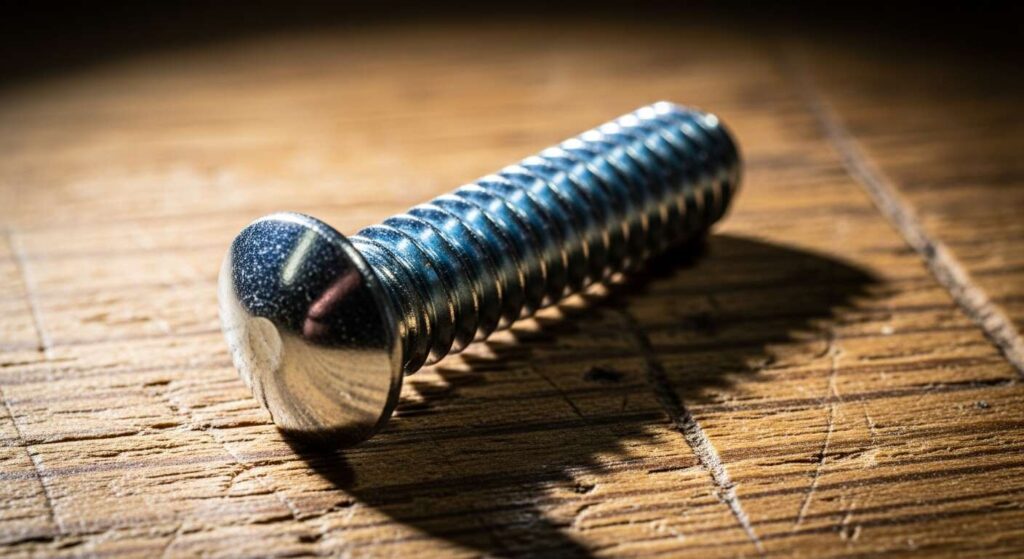
Every DIY enthusiast has faced this frustrating scenario: a screw head has been stripped, the grooves worn down to nothing, and no amount of pressure with a screwdriver seems to help. Before reaching for power tools or expensive extraction kits, there’s a surprisingly simple solution hiding in your desk drawer. A humble rubber band can transform this common household nightmare into a manageable task, saving both time and money whilst preserving the integrity of your materials.
Understanding the stripped screw problem
What causes a screw head to strip
A stripped screw occurs when the grooves or slots in the screw head become damaged or worn down, preventing the screwdriver from gaining proper purchase. This frustrating situation typically arises from several common causes that plague both amateur and experienced craftspeople alike.
- Applying excessive force with an incorrectly sized screwdriver
- Using worn or damaged screwdrivers that cannot grip properly
- Over-tightening screws beyond their intended torque specification
- Working with poor quality screws made from soft metals
- Attempting to remove corroded or rusted screws without preparation
The consequences of ignoring the issue
When faced with a stripped screw, many people make the situation worse by continuing to apply force with the same ineffective method. This aggressive approach can lead to further damage, including stripping the head completely flat, breaking the screw shaft, or damaging the surrounding material. In furniture, electronics, or delicate woodwork, such damage can be costly and time-consuming to repair, potentially requiring professional intervention or complete component replacement.
Understanding why conventional methods fail sets the stage for appreciating why alternative approaches prove more effective.
Why a screwdriver is not always the solution
The limitations of traditional tools
Standard screwdrivers rely entirely on the mechanical engagement between the driver tip and the screw head grooves. Once these grooves become damaged, the fundamental principle behind the tool’s design fails. Applying more pressure only exacerbates the problem, as the metal-on-metal contact lacks the friction necessary to turn a resistant screw.
| Tool type | Effectiveness on stripped screws | Risk of further damage |
|---|---|---|
| Standard screwdriver | Very low | High |
| Power drill | Low to moderate | Very high |
| Screw extractor | Moderate to high | Moderate |
| Rubber band method | High | Very low |
When power tools make matters worse
The instinctive response to a stubborn screw often involves reaching for an electric drill or impact driver. However, these powerful tools can transform a minor inconvenience into a major disaster. The increased torque and speed can strip the head completely, snap the screw shaft, or drive the screw deeper into the material, making extraction nearly impossible without drilling out the entire fastener.
Recognising these limitations naturally leads to exploring more innovative solutions that work with the problem rather than against it.
The unexpected tool: the secret of rubber
The physics behind rubber’s effectiveness
Rubber possesses unique properties that make it ideal for gripping stripped screws. Unlike rigid metal tools, rubber is flexible and compressible, allowing it to conform to irregular surfaces and damaged grooves. This material creates significantly more friction than metal-on-metal contact, providing the grip necessary to turn screws that conventional tools cannot budge.
Why this method works where others fail
The rubber band technique succeeds because it addresses the fundamental problem: lack of friction and grip. When placed between the screwdriver and the stripped screw head, the rubber fills in the damaged grooves and creates a textured surface that prevents slipping. The elasticity of rubber also distributes pressure more evenly across the screw head, reducing the likelihood of causing additional damage during removal.
- Rubber conforms to irregular and damaged surfaces
- Creates significantly higher friction coefficients than bare metal
- Distributes pressure evenly to prevent further stripping
- Costs virtually nothing compared to specialised extraction tools
Understanding the science behind this method makes the practical application all the more straightforward.
How to use a rubber band to unscrew
Step-by-step instructions
Implementing the rubber band technique requires minimal preparation and can be accomplished in less than five minutes with materials readily available in most households. The process is remarkably simple yet highly effective when executed correctly.
- Select a wide rubber band that can cover the entire screw head
- Stretch the rubber band flat over the stripped screw head
- Press your screwdriver firmly through the rubber band into the screw head
- Maintain steady downward pressure whilst slowly turning anticlockwise
- Keep the screwdriver perpendicular to the surface to maximise grip
- If the band tears, remove it and try again with a fresh one
Choosing the right rubber band
Not all rubber bands deliver equal results. Thicker, wider bands generally provide better grip and durability than thin varieties. The band should be large enough to cover the screw head completely without excessive stretching, as over-stretched rubber loses its gripping properties. Fresh rubber bands work better than old, dried-out ones that may crack or tear under pressure.
Mastering this technique opens up appreciation for its numerous practical advantages.
The advantages of this ingenious method
Cost-effectiveness and accessibility
Unlike specialised screw extraction kits that can cost upwards of £20, rubber bands are virtually free and universally available. Most households already have rubber bands in a drawer, making this solution immediately accessible without requiring a trip to the hardware store. This accessibility makes it particularly valuable for emergency repairs or situations where professional tools are unavailable.
Minimal risk of damage
The rubber band method is remarkably gentle on surrounding materials. Unlike drilling or grinding techniques that create metal shavings and risk damaging adjacent surfaces, this approach leaves no debris and poses minimal threat to the workpiece. This makes it ideal for delicate applications such as electronics repair, antique furniture restoration, or any situation where preserving the original finish is paramount.
Versatility across different screw types
This technique works effectively on various screw head types, including Phillips, flathead, Torx, and hex socket designs. The rubber’s ability to conform to different shapes makes it a universal solution that doesn’t require matching specific tool profiles to specific screw types.
Whilst this method solves immediate problems, preventing future occurrences requires proper tool maintenance.
Additional tips for maintaining your tools in good condition
Proper screwdriver selection and care
Using the correct size and type of screwdriver prevents most stripped screw situations from occurring in the first place. A properly fitted screwdriver should sit snugly in the screw head without wobbling, and quality tools with hardened tips resist wear far better than cheap alternatives. Regularly inspect your screwdrivers for worn or damaged tips, and replace them when they no longer provide secure engagement.
Best practices for screw installation and removal
Proper technique significantly reduces the likelihood of stripping screws. Always ensure the screwdriver remains perpendicular to the screw head during operation, as angled pressure increases the chance of slipping and damaging the grooves. Apply steady, controlled force rather than sudden jerks, and never continue forcing a screw that encounters unusual resistance.
- Use pilot holes in hard materials to reduce insertion resistance
- Apply appropriate lubricant to rusted or corroded screws before removal
- Replace screws that show signs of wear rather than reusing damaged fasteners
- Store tools in dry conditions to prevent rust and corrosion
- Invest in quality screws with hardened heads for critical applications
When to seek professional help
Whilst the rubber band method solves many stripped screw problems, some situations require professional intervention. Screws in critical structural components, high-pressure systems, or valuable antiques may warrant expert attention rather than DIY approaches. Similarly, if multiple attempts with the rubber band method fail, continuing may cause more damage than benefit.
The humble rubber band represents an elegant solution to a common frustration, demonstrating that effective problem-solving often requires creativity rather than expensive tools. This technique saves money, prevents damage, and proves that sometimes the simplest approaches work best. By understanding both how to apply this method and how to prevent stripped screws through proper tool maintenance, anyone can tackle this household challenge with confidence. The next time a stripped screw threatens to derail your project, remember that the solution might already be sitting in your desk drawer, waiting to prove that ingenuity trumps brute force every time.