

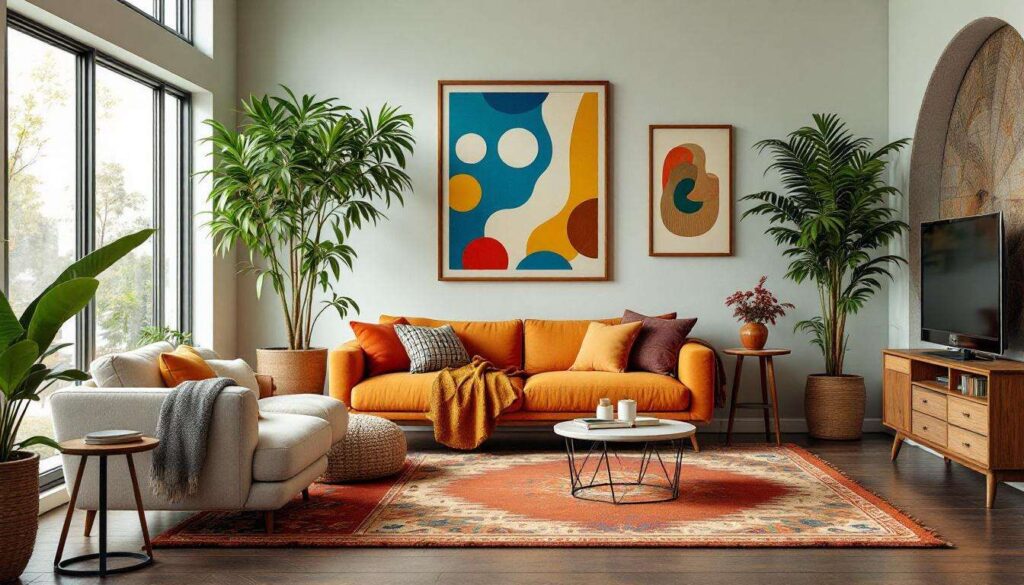
Living rooms are experiencing a remarkable transformation as design preferences shift away from stark minimalism towards spaces rich with personality and warmth. The movement embraces a collected aesthetic that celebrates heritage, colour, and individual expression rather than following rigid design rules. This evolution reflects a deeper desire to create homes that tell stories and foster genuine comfort, marking a departure from the impersonal showroom aesthetic that has dominated recent years.
The grandmillennial trend and its retro details
Embracing eclectic furnishing styles
The collected approach to interior design represents a fundamental shift in how homeowners curate their living spaces. Rather than purchasing matching furniture sets, the emphasis now falls on assembling pieces with diverse origins and histories. This method creates rooms that feel lived-in and authentic, where inherited items sit comfortably alongside modern acquisitions.
Designers observe that this trend particularly resonates with those seeking to distance themselves from the overly curated aesthetic that characterised previous design movements. The grandmillennial style incorporates:
- Vintage furniture discovered at antique markets and estate sales
- Family heirlooms passed down through generations
- Thrifted treasures that add unexpected character
- Contemporary pieces that complement rather than clash with older items
- Decorative elements that reflect personal travels and experiences
Creating spaces with narrative depth
Each piece within a collected living room carries its own story, contributing to a layered narrative that reflects the occupants’ journey. This approach transforms spaces into personal museums where every item serves both functional and sentimental purposes. The beauty lies not in perfection but in the harmonious coexistence of different eras and styles.
This movement towards nostalgic design elements naturally extends beyond furniture selection to encompass the broader visual landscape of the room.
The impact of rich colours and patterned spaces
Moving beyond neutral palettes
The dominance of all-white interiors is giving way to bolder and more adventurous colour choices. Living rooms are becoming canvases for dramatic hues that create atmosphere and depth. Dusty blues, deep teals, and other saturated tones are transforming spaces from bland backgrounds into engaging environments.
| Colour Family | Popular Shades | Effect on Space |
|---|---|---|
| Blues | Dusty blue, navy, midnight | Creates calm sophistication |
| Greens | Deep teal, forest, sage | Brings natural warmth |
| Reds | Burgundy, terracotta, rust | Adds energy and richness |
| Purples | Plum, aubergine, mauve | Introduces luxury and depth |
Incorporating pattern with confidence
Pattern mixing has emerged as a hallmark of contemporary throwback design, with homeowners layering florals, geometrics, and traditional motifs. This approach requires balancing scale and colour whilst maintaining visual coherence. The key lies in selecting patterns that share common colour threads or complementary aesthetics.
Wallpapers featuring vintage-inspired designs are experiencing renewed popularity, particularly those with botanical or damask patterns. These elements add texture and visual interest to walls previously left bare, creating focal points that anchor the room’s design scheme.
The renewed appreciation for colour and pattern naturally complements another significant trend reshaping living spaces.
Art at the heart of the living room
Curating meaningful collections
Art has moved from being merely decorative to becoming a central element in living room design. Homeowners are investing in pieces that resonate personally rather than selecting artwork solely for colour coordination. This shift reflects a desire for spaces that stimulate conversation and reflection.
Gallery walls have evolved beyond uniform frames and spacing, embracing:
- Mixed media presentations combining paintings, photographs, and textiles
- Varying frame styles that add visual interest
- Three-dimensional objects integrated with two-dimensional works
- Personal photographs elevated to art status through thoughtful framing
- Vintage prints and posters that reference historical periods
Statement pieces as focal points
Large-scale artworks command attention and define the character of living spaces. Whether abstract or representational, these pieces serve as conversation starters and anchor points for the room’s overall aesthetic. The investment in significant art reflects a commitment to creating spaces with lasting appeal rather than following fleeting trends.
This emphasis on artistic expression connects seamlessly with broader considerations about the longevity and significance of design choices.
The importance of sustainable and cherished designs
Valuing heirlooms and vintage pieces
The resurgence of interest in period decorations signals a fundamental reassessment of consumption patterns within interior design. Homeowners increasingly recognise the value of items that have withstood the test of time, both in terms of construction quality and aesthetic appeal.
Antique furniture offers several advantages over contemporary mass-produced alternatives:
- Superior craftsmanship using traditional joinery techniques
- Solid wood construction rather than composite materials
- Unique character marks and patina developed over decades
- Environmental benefits of repurposing existing items
- Investment potential as quality pieces appreciate in value
Creating emotional connections through design
Each inherited or discovered piece carries emotional weight that new purchases cannot replicate. A grandmother’s armchair or a table discovered at a flea market becomes more than furniture—it transforms into a tangible link to personal or collective history. This emotional dimension adds depth to living spaces that transcends aesthetic considerations alone.
The focus on sustainability and personal connection naturally extends to how spaces function for daily living and social gatherings.
The focus on entertainment and unexpected ambience
Designing for social interaction
Living rooms are reclaiming their role as primary gathering spaces for entertainment and connection. This shift has prompted thoughtful consideration of furniture arrangements that facilitate conversation rather than simply orienting seating towards television screens.
Key elements supporting this entertaining-focused approach include:
- Multiple seating areas within larger rooms to accommodate different group sizes
- Side tables positioned for convenient drink and snack placement
- Lighting schemes that can be adjusted for various activities and moods
- Bar carts or dedicated beverage stations for hosting
- Game tables or surfaces suitable for board games and puzzles
Creating atmospheric lighting
Layered lighting schemes have become essential for creating versatile ambience. Rather than relying solely on overhead fixtures, designers incorporate table lamps, floor lamps, and accent lighting to create warmth and visual interest. Dimmer switches allow for adjustment based on time of day and activity, transforming the same space from bright and energetic to intimate and relaxing.
These atmospheric considerations work in concert with physical design elements that define the throwback aesthetic.
Boldly proportioned pieces and textured touches
The rise of rounded forms
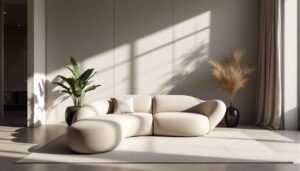
Curved silhouettes and sculptural shapes are softening the angular lines that dominated minimalist design. Rounded sofas, circular coffee tables, and arched architectural details introduce organic forms that create visual flow and physical comfort.
| Furniture Type | Rounded Design Features | Visual Impact |
|---|---|---|
| Sofas | Curved backs, rounded arms | Inviting, embracing quality |
| Tables | Circular or oval tops | Improved traffic flow |
| Chairs | Barrel backs, curved legs | Sculptural interest |
| Mirrors | Round or arched frames | Softens wall space |
Incorporating tactile elements
Texture has emerged as a crucial component in creating visually and physically engaging spaces. Velvet upholstery, woven textiles, carved wood details, and plush rugs add dimensional interest that photographs cannot fully capture. These tactile elements invite interaction and create sensory richness that elevates the living experience.
The combination of bold proportions and varied textures contributes to spaces that feel substantial and considered. Chunky knit throws, nubby linen cushions, and smooth ceramic vessels create contrast and depth, preventing rooms from feeling flat or one-dimensional despite their cohesive aesthetic.
The throwback living room trends shaping interiors represent more than stylistic preferences—they reflect fundamental shifts in how people relate to their homes. By embracing collected furnishings, rich colours, meaningful art, sustainable choices, entertainment-focused layouts, and sculptural forms, these spaces prioritise personality and comfort over rigid design rules. The result is living rooms that serve as true reflections of their occupants, filled with warmth, character, and stories waiting to be shared.