

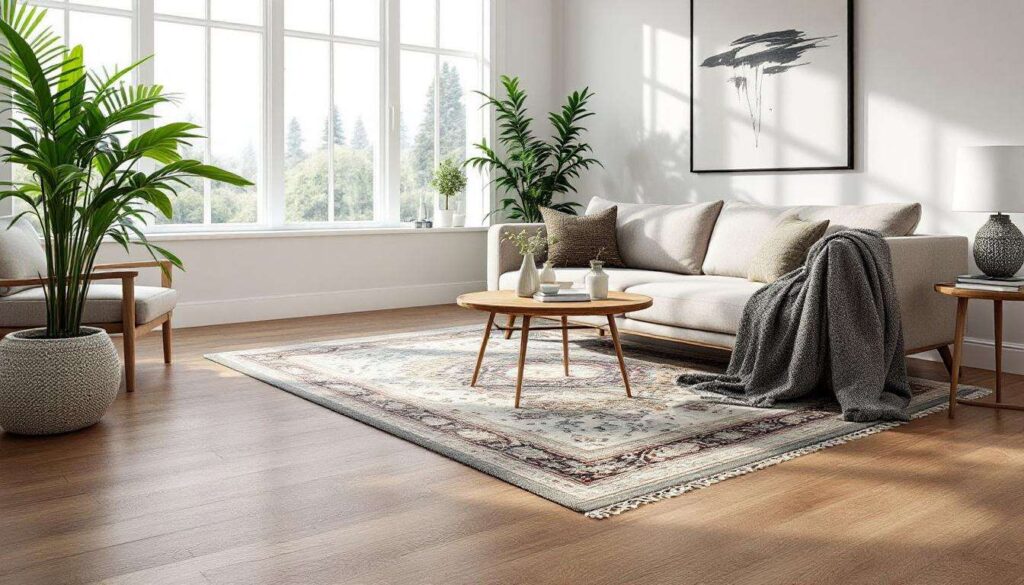
Homeowners seeking the luxurious appearance of solid wood flooring without the substantial financial investment have discovered a compelling alternative that delivers remarkable visual impact whilst preserving budgets. Luxury vinyl plank flooring has emerged as the solution that combines aesthetic sophistication with practical affordability, offering savings of up to 70% compared to traditional hardwood installations. This innovative flooring option replicates the natural beauty of timber with such precision that distinguishing it from authentic wood requires close inspection, making it an increasingly popular choice for both residential and commercial spaces.
Introduction to alternative flooring
The evolution of synthetic flooring solutions
The flooring industry has undergone a transformative revolution over recent decades, with manufacturers investing heavily in technologies that replicate natural materials. Modern production techniques utilise high-resolution photography and embossing processes to capture the intricate grain patterns, knots, and colour variations found in genuine timber. These advancements have elevated synthetic flooring from an obvious substitute to a convincing alternative that challenges even experienced interior designers to identify the difference.
Market demand driving innovation
Consumer preferences have shifted considerably as property owners recognise the limitations of traditional hardwood. The demand for cost-effective, low-maintenance solutions has accelerated development in the alternative flooring sector, resulting in products that address common complaints associated with natural wood whilst maintaining its desirable aesthetic qualities. This market evolution has created options suitable for various applications:
- High-traffic commercial environments requiring durability
- Moisture-prone areas such as kitchens and bathrooms
- Budget-conscious renovations seeking maximum visual impact
- Rental properties where landlords prioritise longevity
- Homes with underfloor heating systems
Understanding these alternatives requires examining the specific materials that have captured the attention of savvy homeowners and property developers alike.
Wood-like materials
Luxury vinyl plank composition
Luxury vinyl plank (LVP) represents the pinnacle of wood-effect flooring technology. This multi-layered product consists of a protective wear layer, a photographic design layer, a rigid core, and a backing layer that provides stability. The wear layer determines the product’s resistance to scratches and stains, typically measured in mils, with residential applications requiring 12-20 mils and commercial spaces demanding 20 mils or greater. The photographic layer captures authentic wood imagery with such detail that individual grain patterns appear unique across planks, eliminating repetitive patterns that plagued earlier synthetic options.
Laminate flooring characteristics
Laminate flooring offers another viable alternative, constructed from compressed fibreboard topped with a photographic appliqué and protective coating. Whilst slightly less water-resistant than LVP, quality laminate products provide excellent durability and authentic appearance at competitive price points. The manufacturing process creates a hard surface that resists impacts and maintains its appearance under regular use, making it particularly suitable for living areas and bedrooms.
Engineered wood considerations
Engineered wood occupies a middle ground between solid hardwood and fully synthetic alternatives. Featuring a genuine wood veneer atop a plywood or fibreboard base, this option provides authentic timber aesthetics whilst addressing some stability issues inherent in solid wood. Though more expensive than LVP or laminate, engineered wood still costs significantly less than solid hardwood whilst offering comparable visual appeal.
| Material Type | Water Resistance | Cost per m² | Lifespan |
|---|---|---|---|
| Luxury Vinyl Plank | Excellent | £15-£45 | 15-25 years |
| Laminate | Moderate | £10-£35 | 10-20 years |
| Engineered Wood | Fair | £25-£65 | 20-30 years |
| Solid Hardwood | Poor | £50-£150 | 50+ years |
These material options provide the foundation for understanding why alternative flooring delivers such compelling value propositions.
Aesthetic and economic benefits
Visual authenticity achievements
Contemporary wood-effect flooring achieves remarkable visual fidelity through advanced manufacturing processes. Embossing techniques create texture that corresponds precisely with printed grain patterns, ensuring that tactile experience matches visual appearance. This registered embossing technology means that when fingers trace the surface, they encounter grooves and ridges exactly where the eye expects them, creating a multisensory authenticity that earlier products lacked.
Financial advantages breakdown
The cost differential between alternative flooring and solid hardwood extends beyond initial material expenses. Installation labour for LVP and laminate typically costs less due to simpler fitting processes, whilst material wastage decreases thanks to standardised plank dimensions. Additionally, the absence of finishing requirements eliminates expenses associated with sanding, staining, and sealing that hardwood installation demands.
Long-term value considerations
Beyond upfront savings, alternative flooring delivers ongoing economic benefits through reduced maintenance requirements and superior resistance to common damage sources. The protective wear layers resist scratching from pet claws, furniture movement, and dropped objects that would mar traditional hardwood surfaces. This durability translates to lower replacement and repair costs over the flooring’s lifespan, amplifying the initial savings.
These aesthetic and financial advantages become even more pronounced when considering the practical aspects of installation.
Easy and quick installation
Click-lock systems explained
Modern alternative flooring predominantly features click-lock installation systems that eliminate adhesives and nails. These interlocking mechanisms allow planks to connect securely through simple angling and pressing motions, creating a floating floor that rests atop underlayment. This innovation has democratised flooring installation, enabling confident DIY enthusiasts to achieve professional-looking results without specialised tools or training.
Installation timeframe comparisons
A typical residential room measuring 20 square metres can be fitted with LVP or laminate flooring in 4-6 hours by a competent installer, compared to 2-3 days for solid hardwood installation requiring acclimatisation, cutting, nailing, and finishing. This reduced installation period minimises disruption to household routines and decreases labour costs for those employing professional fitters.
Subfloor preparation requirements
Alternative flooring demonstrates greater tolerance for subfloor imperfections than traditional hardwood, though proper preparation remains essential for optimal results. Minor undulations and irregularities that would compromise hardwood installation can often be addressed with appropriate underlayment selection, reducing preparation time and associated costs.
Once installed, the practical benefits of alternative flooring continue through simplified maintenance routines and impressive longevity.
Maintenance and durability
Daily cleaning simplicity
Maintaining wood-effect flooring requires minimal effort compared to traditional hardwood care regimens. Regular sweeping or vacuuming removes loose debris, whilst occasional damp mopping with pH-neutral cleaners addresses accumulated dirt. The waterproof or water-resistant properties of quality LVP eliminate concerns about moisture damage from spills or cleaning processes, a significant advantage in households with children or pets.
Resistance to common hazards
The protective wear layers on alternative flooring provide exceptional defence against everyday threats:
- UV-resistant coatings prevent fading in sunlight-exposed areas
- Scratch-resistant surfaces withstand pet traffic and furniture movement
- Stain-resistant properties simplify cleanup of spills and accidents
- Dent-resistant cores maintain appearance under heavy furniture
- Antimicrobial treatments inhibit bacterial growth in some products
Longevity expectations
Quality alternative flooring products carry warranties ranging from 15 to 30 years, reflecting manufacturer confidence in product durability. Real-world performance often exceeds these guarantees when proper installation and reasonable care standards are maintained. The absence of refinishing requirements means the flooring maintains consistent appearance throughout its lifespan, unlike hardwood that may require periodic sanding and refinishing.
These practical advantages become clearer when directly comparing alternative flooring to traditional hardwood across multiple criteria.
Comparison with traditional hardwood
Performance in moisture-prone environments
Solid hardwood’s vulnerability to moisture represents its most significant limitation, restricting installation to climate-controlled areas away from water sources. Alternative flooring, particularly LVP, thrives in environments where hardwood fails, including basements, bathrooms, and kitchens. This versatility expands design possibilities and creates cohesive aesthetics throughout properties without material transitions between rooms.
Environmental impact considerations
The sustainability debate surrounding flooring choices involves complex factors. Whilst hardwood harvesting can deplete forests when not responsibly managed, quality alternative flooring often incorporates recycled materials and generates less manufacturing waste. Additionally, the longer lifespan and reduced replacement frequency of durable synthetic options may offset initial production impacts over time.
Resale value implications
Traditional wisdom suggests hardwood flooring enhances property values more significantly than alternatives. However, this perception has evolved as high-quality LVP and engineered wood have gained market acceptance. Estate agents increasingly recognise that well-installed, premium alternative flooring appeals to buyers seeking low-maintenance luxury, particularly in demographics prioritising practicality over traditional status symbols.
| Criterion | Alternative Flooring | Solid Hardwood |
|---|---|---|
| Initial Cost | 70% lower | Baseline |
| Installation Time | 1 day typical | 2-3 days typical |
| Moisture Tolerance | Excellent | Poor |
| Maintenance Effort | Minimal | Moderate-High |
| Refinishing Capability | None required | Multiple times |
The flooring landscape has fundamentally changed with the introduction of sophisticated alternatives that challenge hardwood’s traditional dominance. Luxury vinyl plank and similar products deliver the warmth and elegance of natural timber whilst addressing its practical shortcomings through innovative engineering and manufacturing. The substantial cost savings, simplified installation processes, minimal maintenance requirements, and impressive durability create a compelling value proposition for discerning property owners. Whilst solid hardwood retains certain advantages in specific applications, the gap has narrowed considerably as alternative flooring technology continues advancing. For those seeking to maximise aesthetic impact whilst maintaining budgetary discipline, wood-effect flooring represents a strategic choice that delivers luxury appearance without premium pricing.